
Managing grocery expenses can feel challenging, especially as food prices continue to change throughout the year. Without a clear budget, it’s easy to overspend on impulse purchases, convenience foods, or unnecessary shopping trips.
The good news is that creating a monthly grocery budget doesn’t mean eating less or giving up your favorite meals. Instead, it helps you spend your money more intentionally while making the most of weekly sales and seasonal discounts.
Whether you’re shopping for yourself, a couple, or a large family, this guide will help you build a grocery budget that is realistic, flexible, and easy to follow.
Why You Need a Grocery Budget
A grocery budget gives you a clear spending target and helps prevent small purchases from adding up over the course of the month.
Better Financial Control
When you know how much you can spend each month, it’s easier to avoid unnecessary purchases and stay on track with your overall household budget.













Less Stress While Shopping
Instead of wondering whether you’re spending too much, you’ll already have a plan before entering the store.
Smarter Buying Decisions
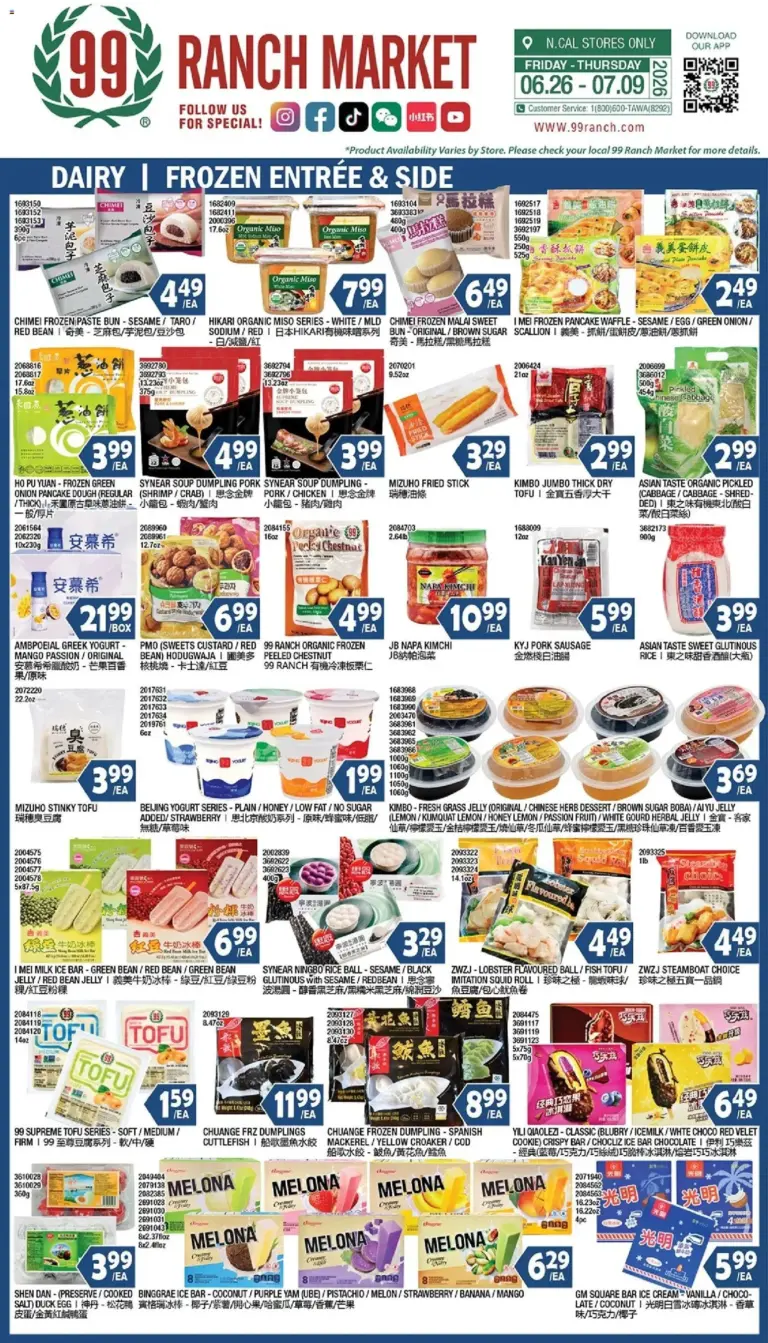
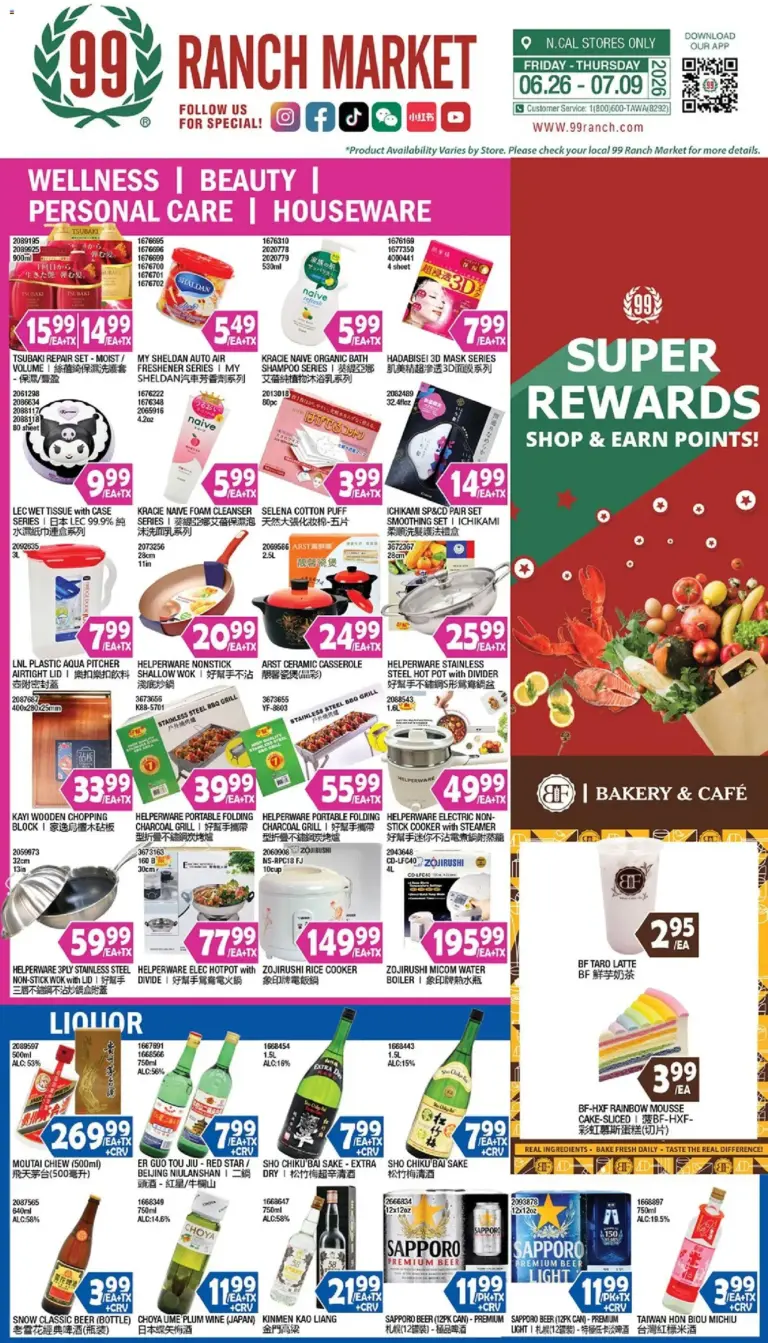
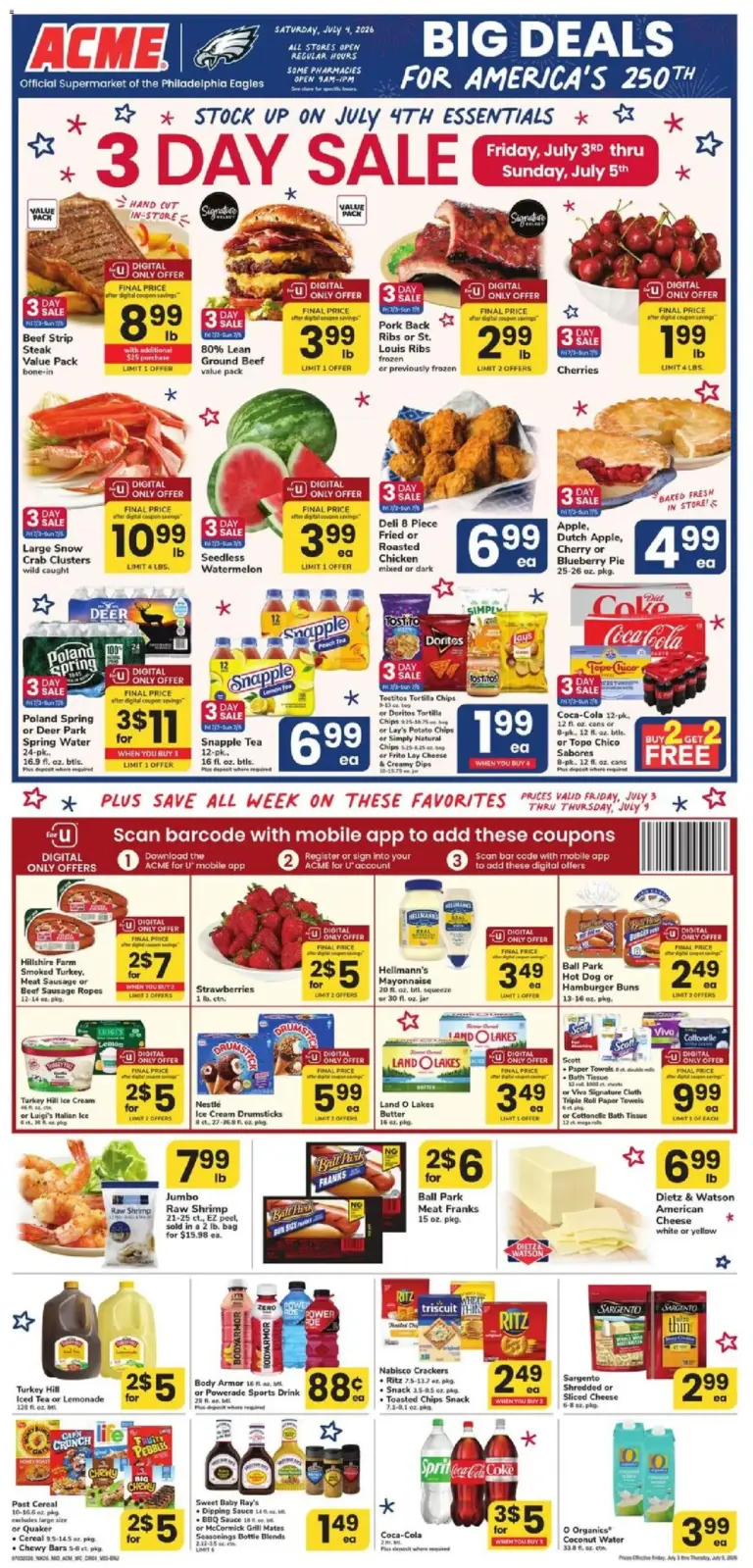
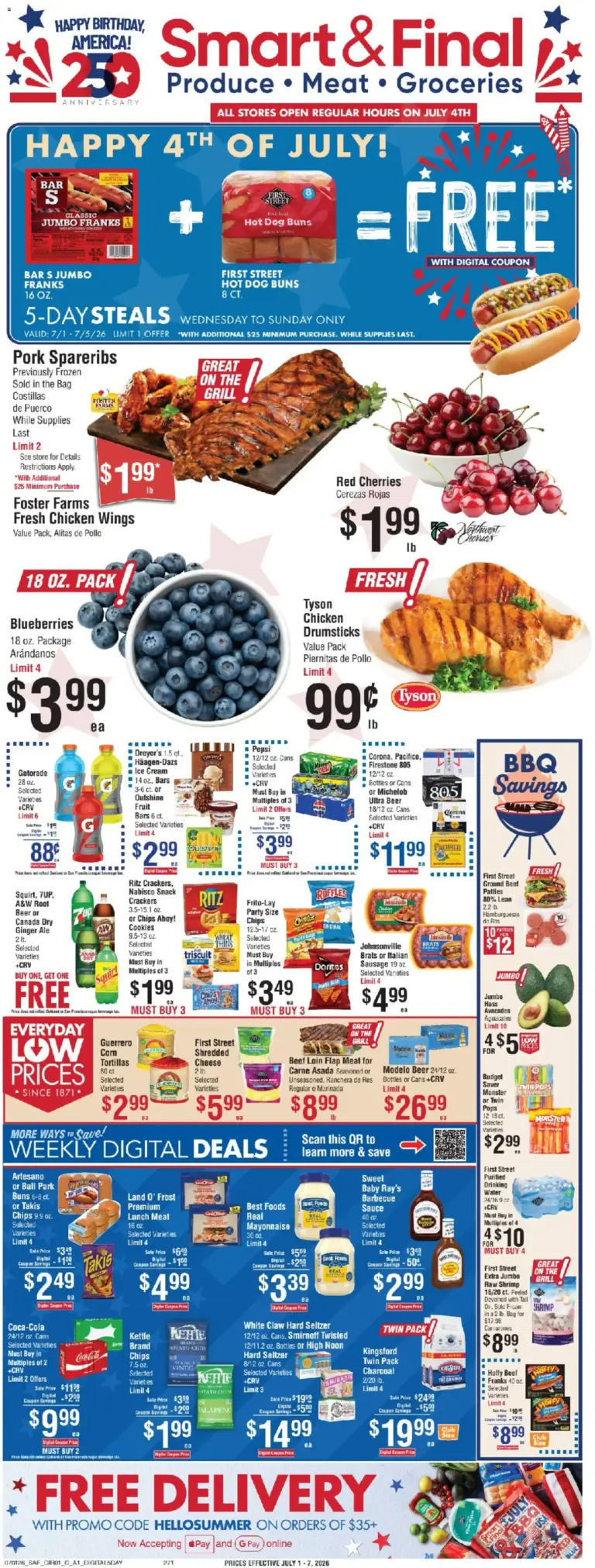
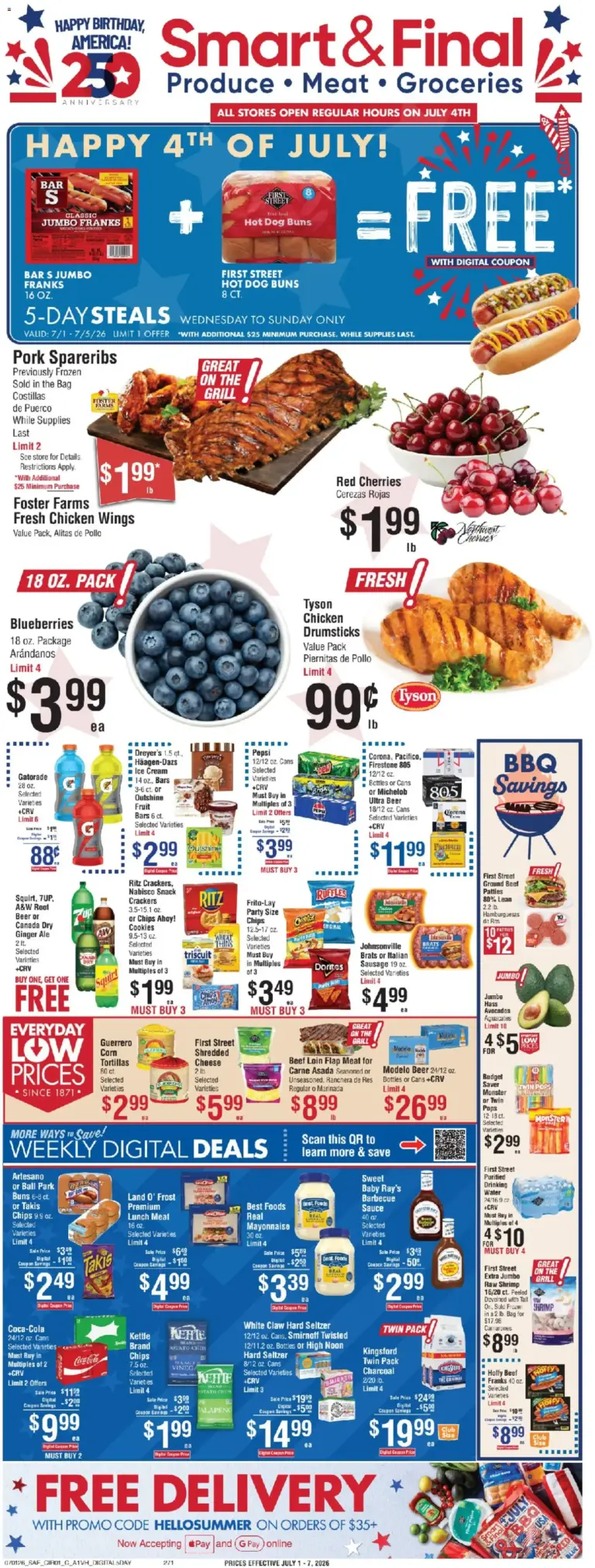
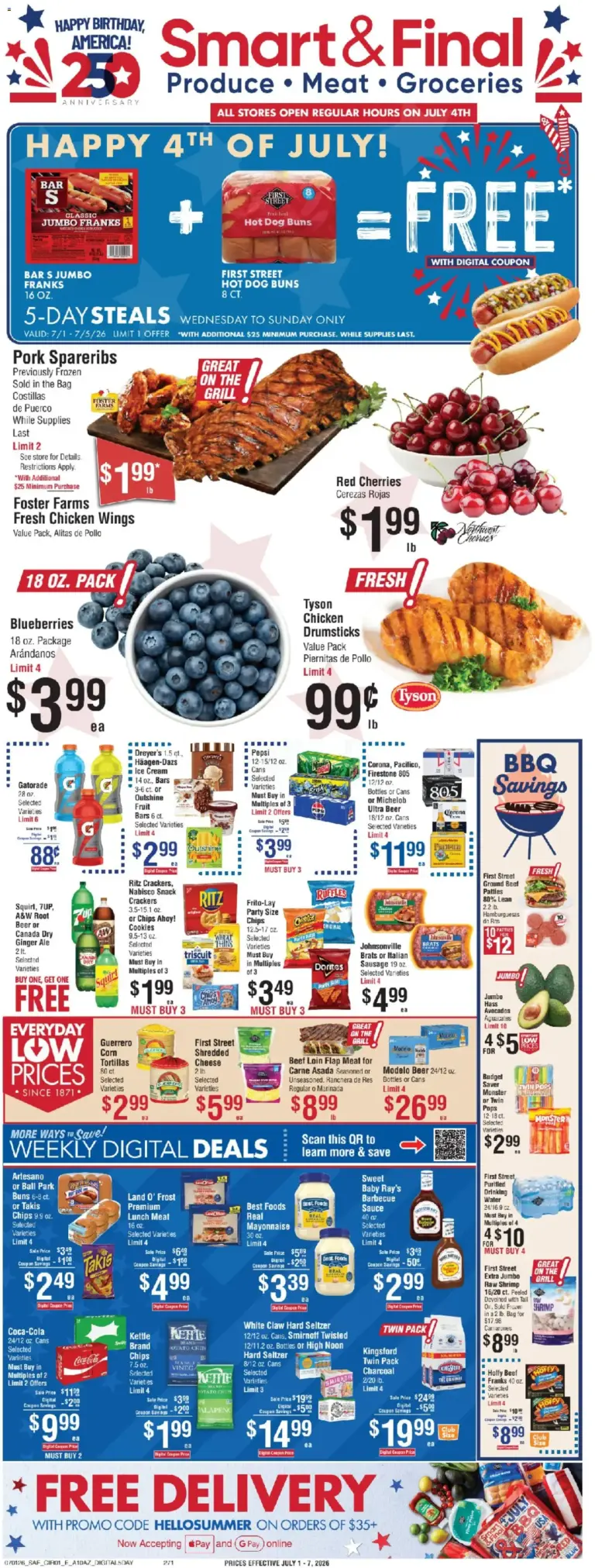
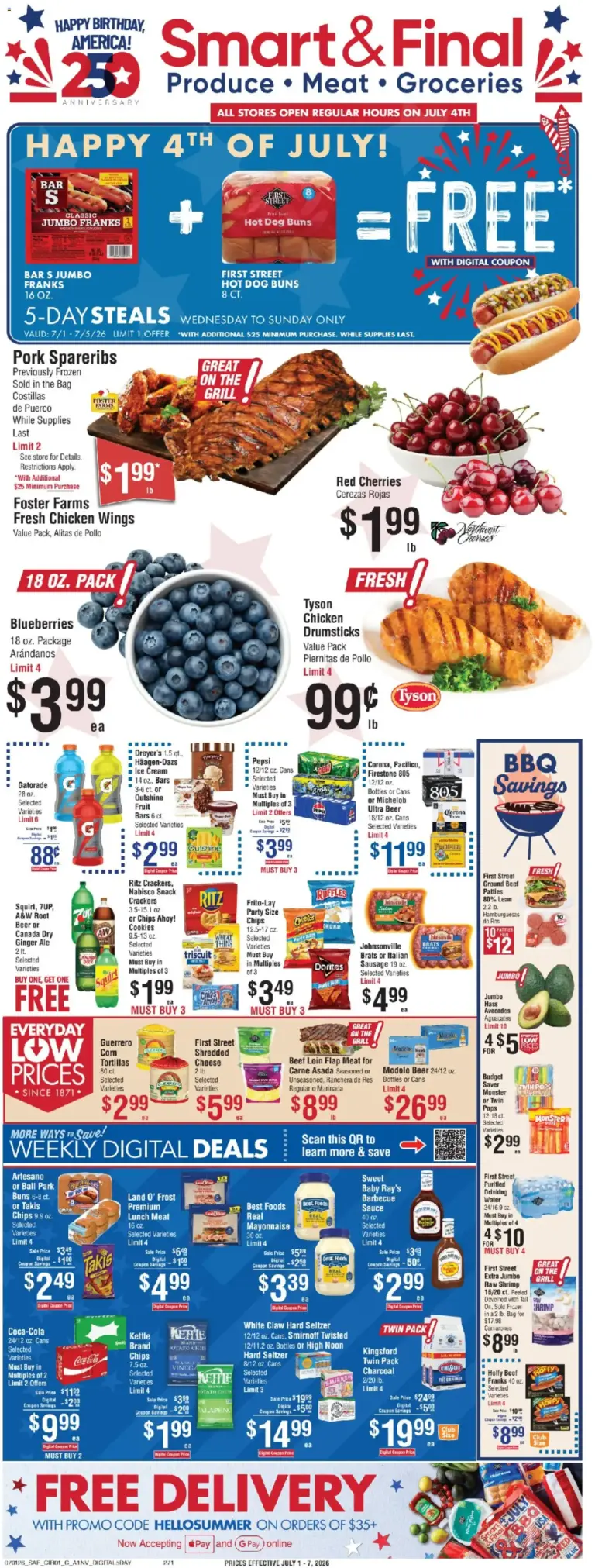
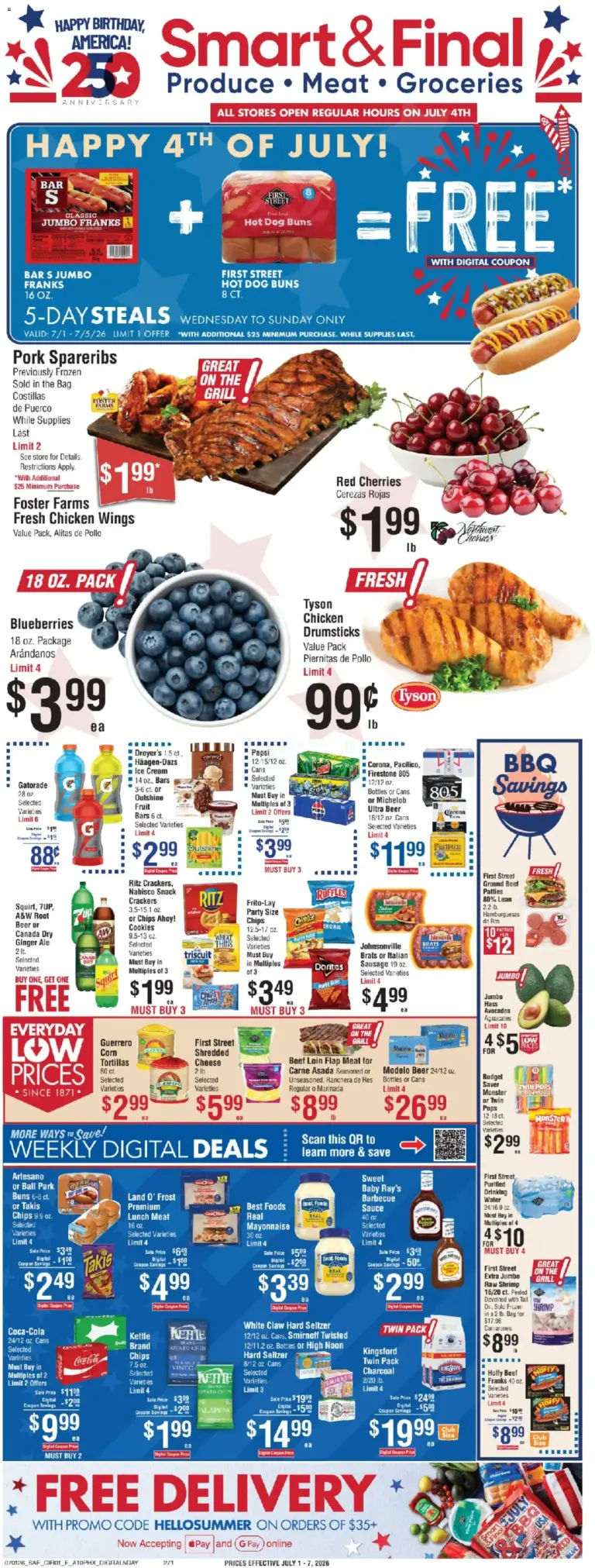
A budget encourages you to compare prices, use weekly grocery ads, and choose products that provide the best value.
Calculate Your Current Spending
Before setting a budget, find out how much you currently spend on groceries.
Review Recent Receipts
Look at your grocery receipts or bank statements from the past two or three months.
Include purchases such as:
- Fresh food
- Frozen food
- Pantry staples
- Snacks
- Drinks
- Household essentials purchased at grocery stores
This provides a realistic starting point.
Identify Spending Patterns
Ask yourself:
- Do you shop multiple times each week?
- How often do you buy impulse items?
- Do you order takeout because you don’t have groceries at home?
Recognizing these habits helps you identify areas where savings are possible.
Set a Realistic Monthly Goal
Avoid creating a budget that’s too restrictive.
A grocery budget should fit your lifestyle and family size.
Leave Room for Flexibility
Unexpected guests, holidays, or special occasions may increase grocery spending during certain months.
Building a small buffer into your budget makes it easier to stay consistent.
Plan Meals Before Shopping
Meal planning is one of the easiest ways to stay within your grocery budget.
Create a Weekly Menu
Plan breakfasts, lunches, dinners, and snacks before making your shopping list.
Choose recipes that use similar ingredients to reduce waste.
Shop Your Pantry First
Before buying anything new, check your refrigerator, freezer, and pantry.
You may already have ingredients for several meals.
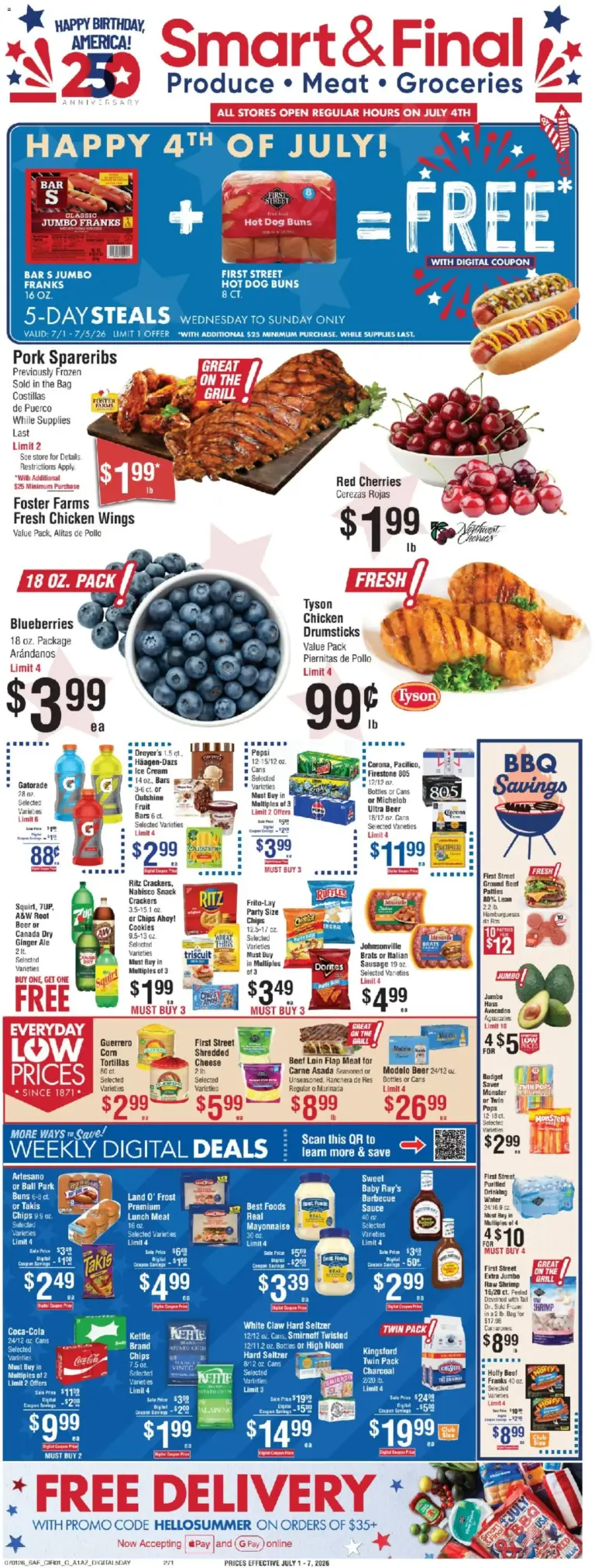
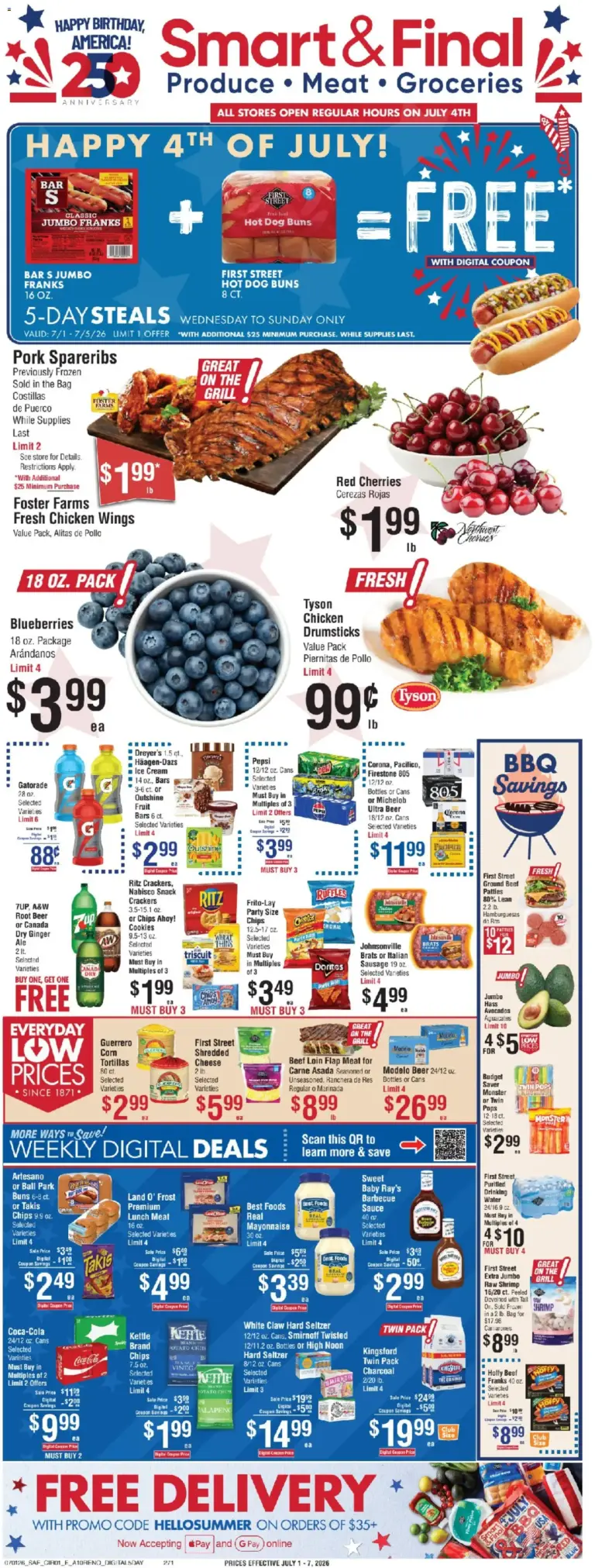
Use Weekly Grocery Ads
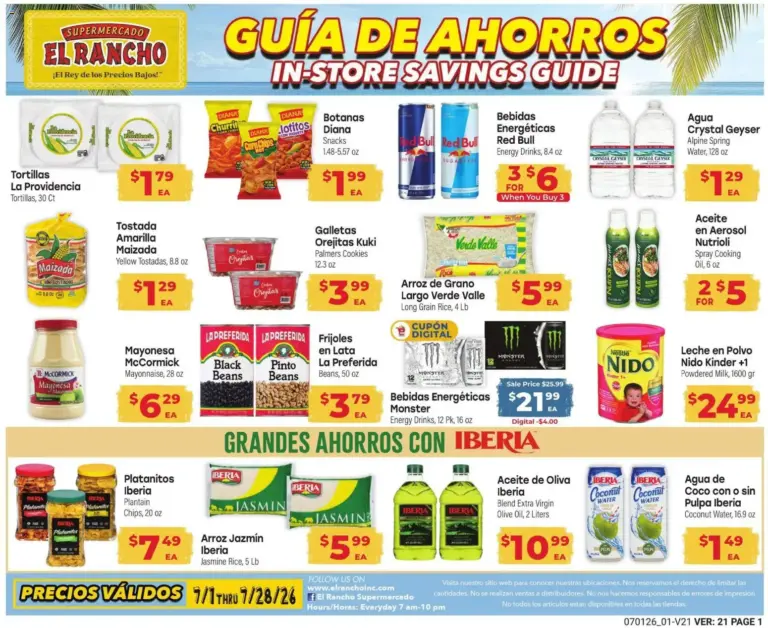
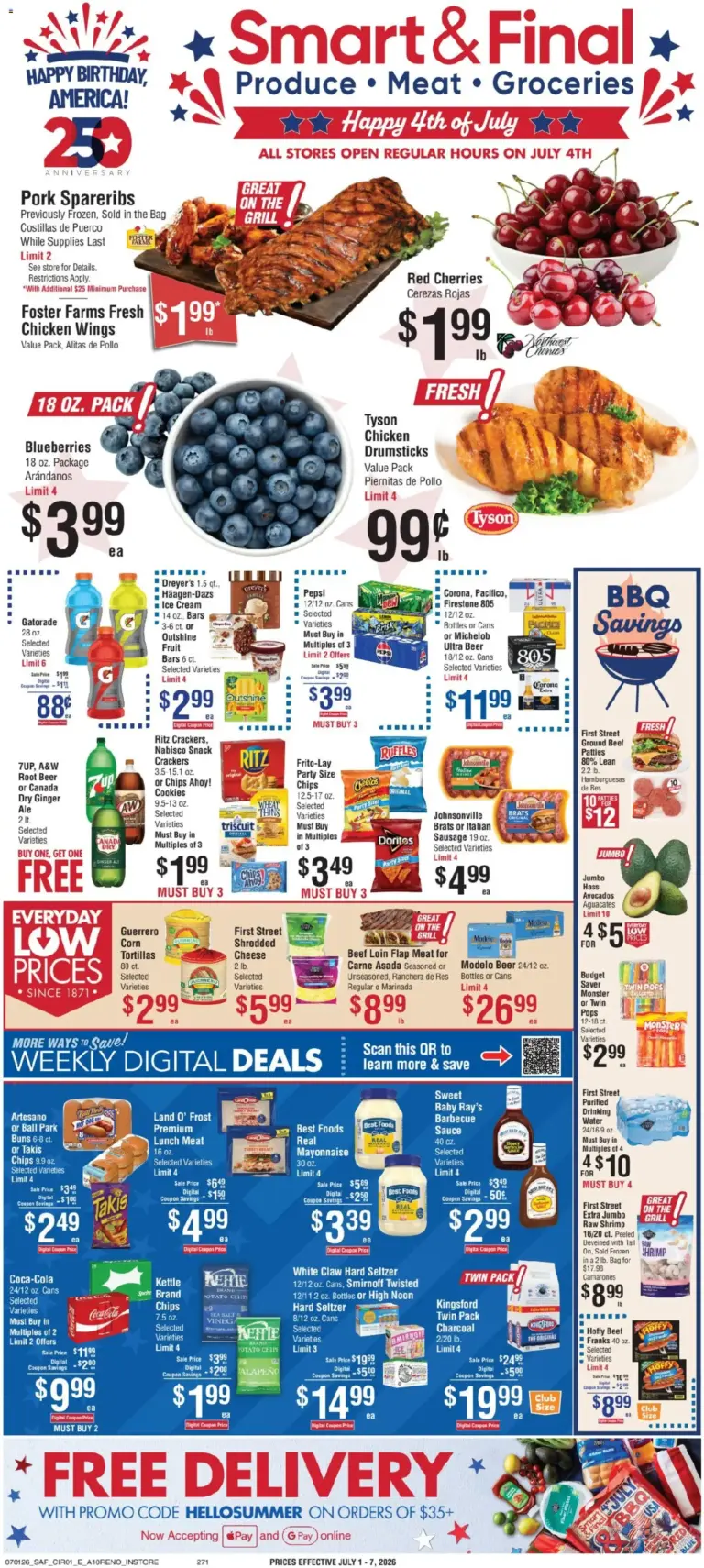
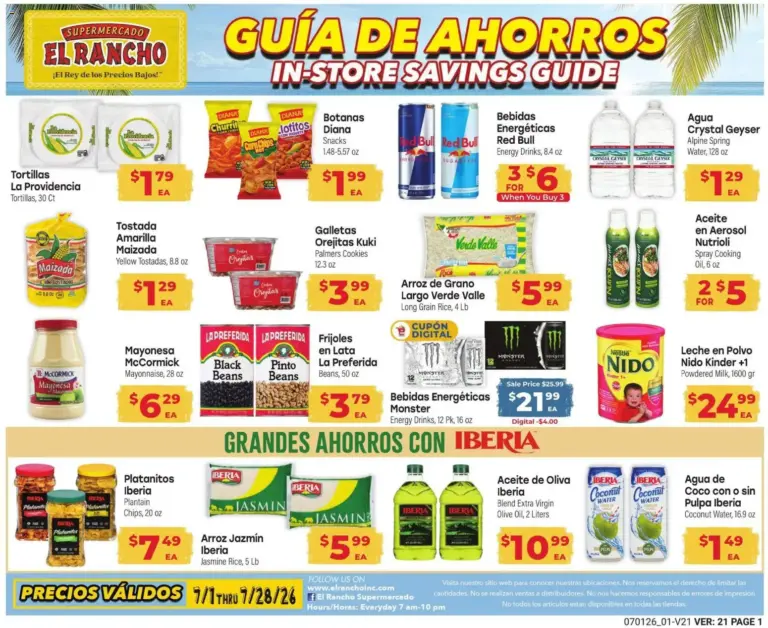
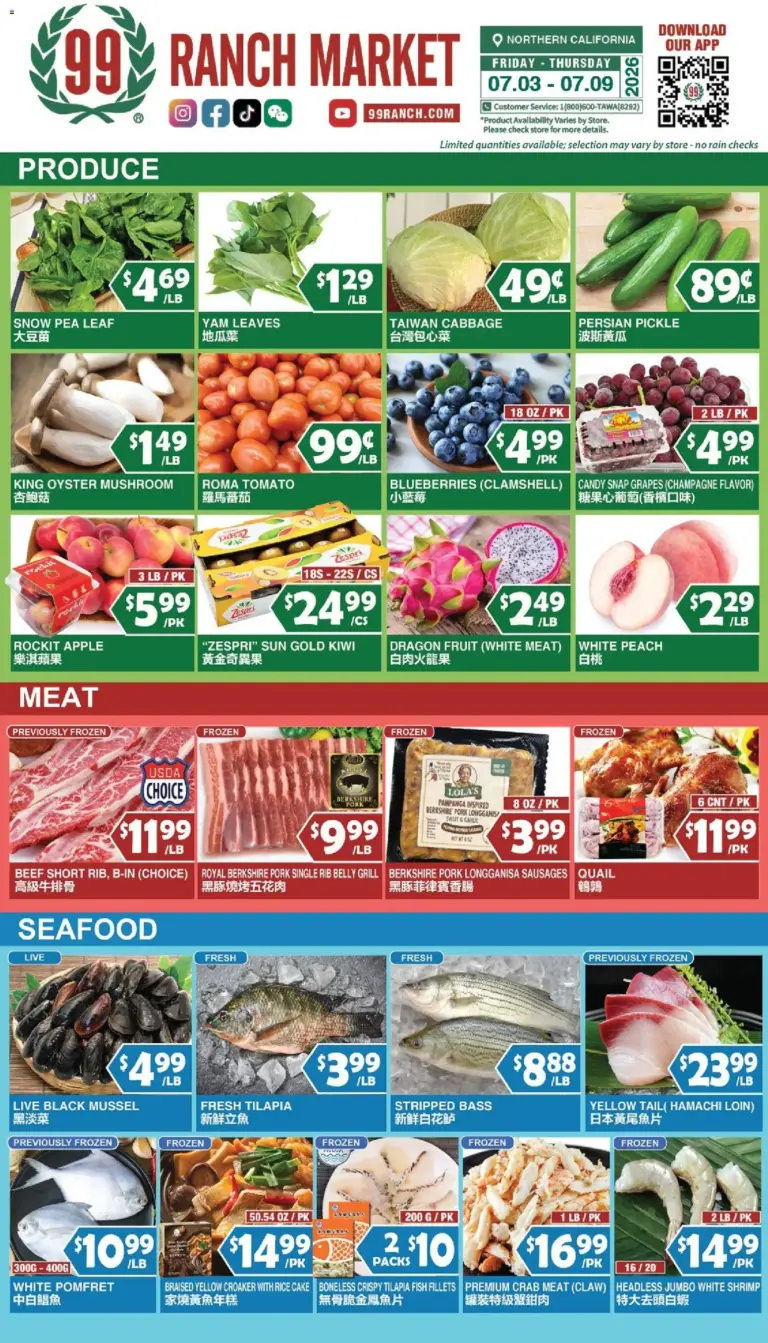
Weekly grocery ads are one of the best tools for stretching your grocery budget.
Buy What’s on Sale
Instead of purchasing the same products every week, adjust your meal plan based on current promotions.
For example, if ground turkey, pasta, and tomatoes are discounted, consider preparing pasta dishes or homemade chili.
Stock Up on Long-Lasting Products
When pantry staples reach their lowest prices, buy enough to last until the next sale.
Good examples include:
- Rice
- Pasta
- Canned beans
- Oats
- Coffee
- Peanut butter
Reduce Food Waste
Every item thrown away increases the true cost of your groceries.
Store Food Correctly
Proper storage helps fresh foods last longer.
Use Older Products First
Organize your refrigerator and pantry so older products are visible and used before newer purchases.
Freeze Extra Portions
Leftovers and extra ingredients can often be frozen for future meals.
Shop With a List
A shopping list keeps you focused and reduces impulse purchases.
Organize by Category
Grouping items together makes shopping faster.
Example categories:
- Produce
- Dairy
- Meat
- Frozen foods
- Pantry staples
- Household products
A well-organized list also reduces the chance of forgetting important items.
Review Your Budget Every Month
Your grocery needs may change throughout the year.
Track Your Progress
At the end of each month, compare your planned grocery budget with your actual spending.
Ask yourself:
- Which purchases were unnecessary?
- Which sales saved the most money?
- Where can you improve next month?
Small adjustments each month can lead to significant long-term savings.
Frequently Asked Questions
How much should I spend on groceries each month?
The right amount depends on household size, location, and eating habits. The most effective budget is one that fits your income while covering your nutritional needs.
Is meal planning necessary?
Meal planning isn’t required, but it’s one of the most effective ways to reduce grocery expenses and food waste.
Should I buy everything at one store?
Not always. Comparing weekly ads from different grocery stores can help you find better prices on frequently purchased items.
What’s the fastest way to lower grocery costs?
Start by using weekly ads, shopping with a list, reducing food waste, and avoiding impulse purchases.
Final Thoughts
Creating a monthly grocery budget isn’t about limiting your choices—it’s about making smarter decisions with the money you already spend.
By tracking expenses, planning meals, shopping weekly sales, and keeping a well-organized shopping list, you can reduce unnecessary costs while continuing to enjoy healthy, satisfying meals.
Over time, these simple habits become routine, helping you save money every month and making grocery shopping more predictable, efficient, and stress-free.