
Most shoppers focus on where to buy groceries, but far fewer think about when to shop. The truth is that timing can have a significant impact on how much you spend each month.
Many grocery stores follow predictable schedules for promotions, markdowns, and inventory updates. By learning these patterns, you can take advantage of better prices, fresher products, and a wider selection of sale items.
Why Timing Matters
Prices in grocery stores change constantly. Weekly promotions, seasonal sales, and inventory management all influence how much you’ll pay for everyday products.
Weekly Promotions Change Regularly
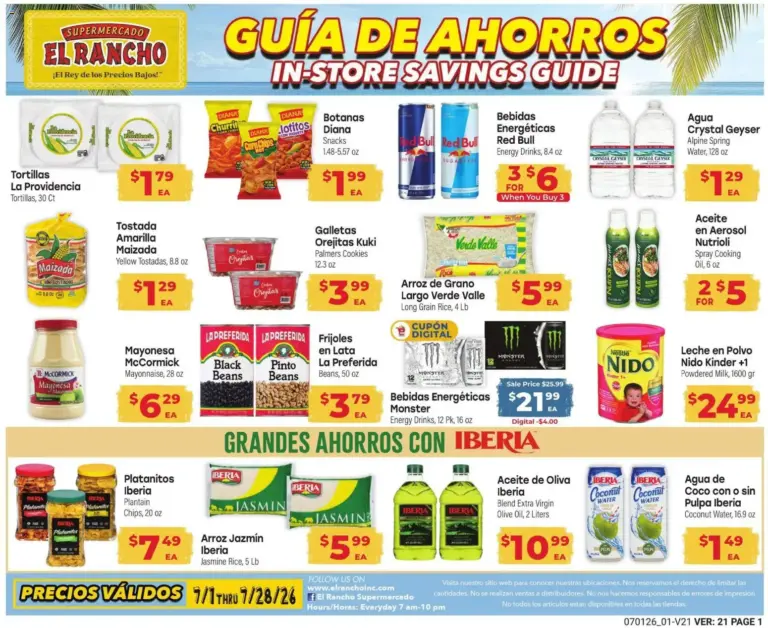
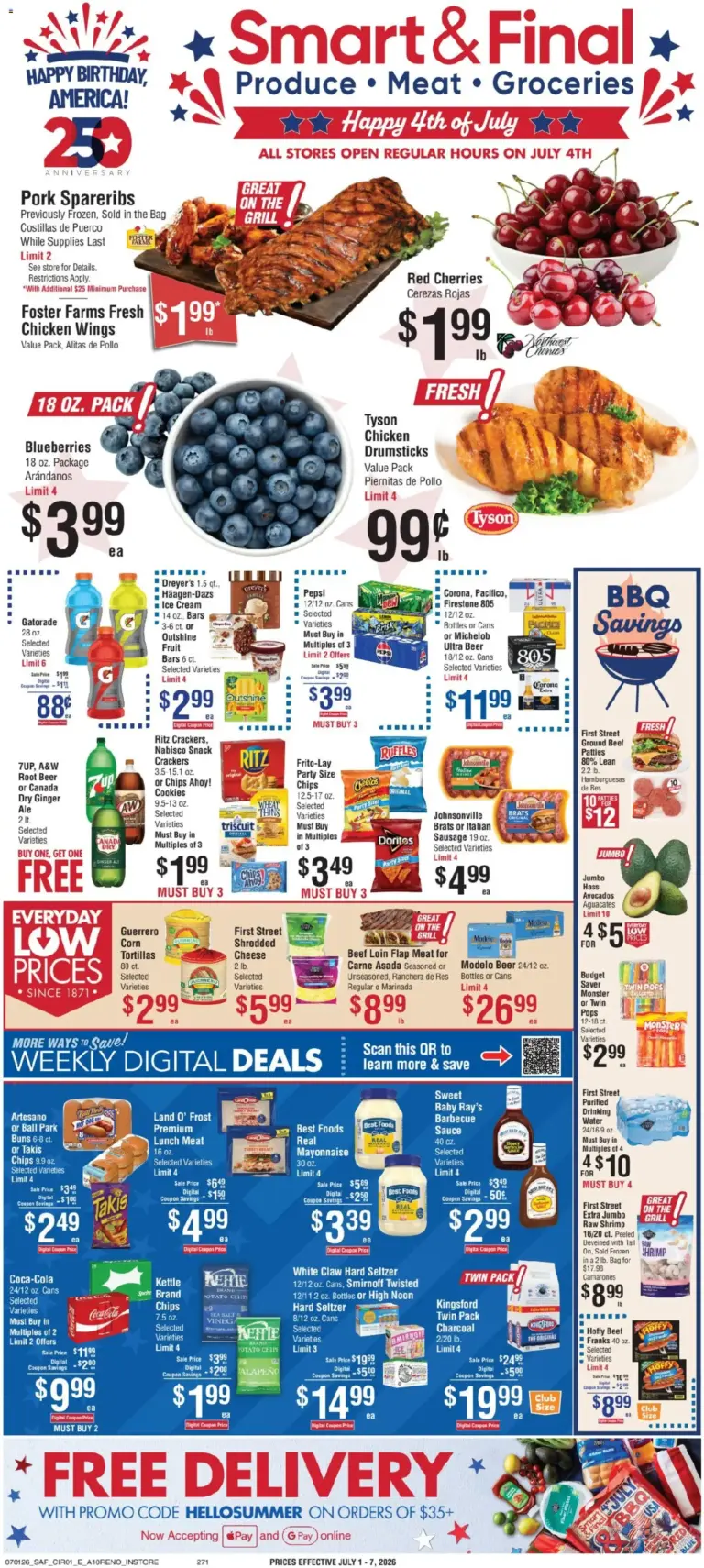
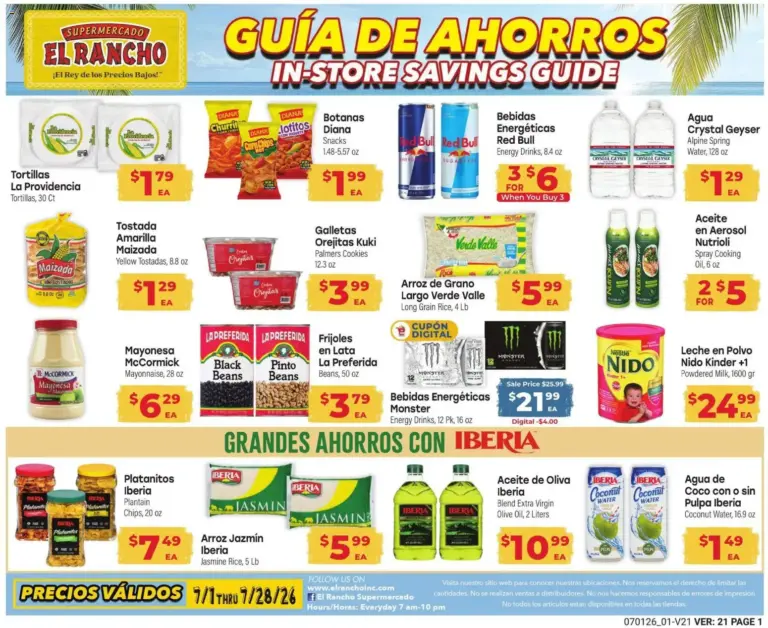
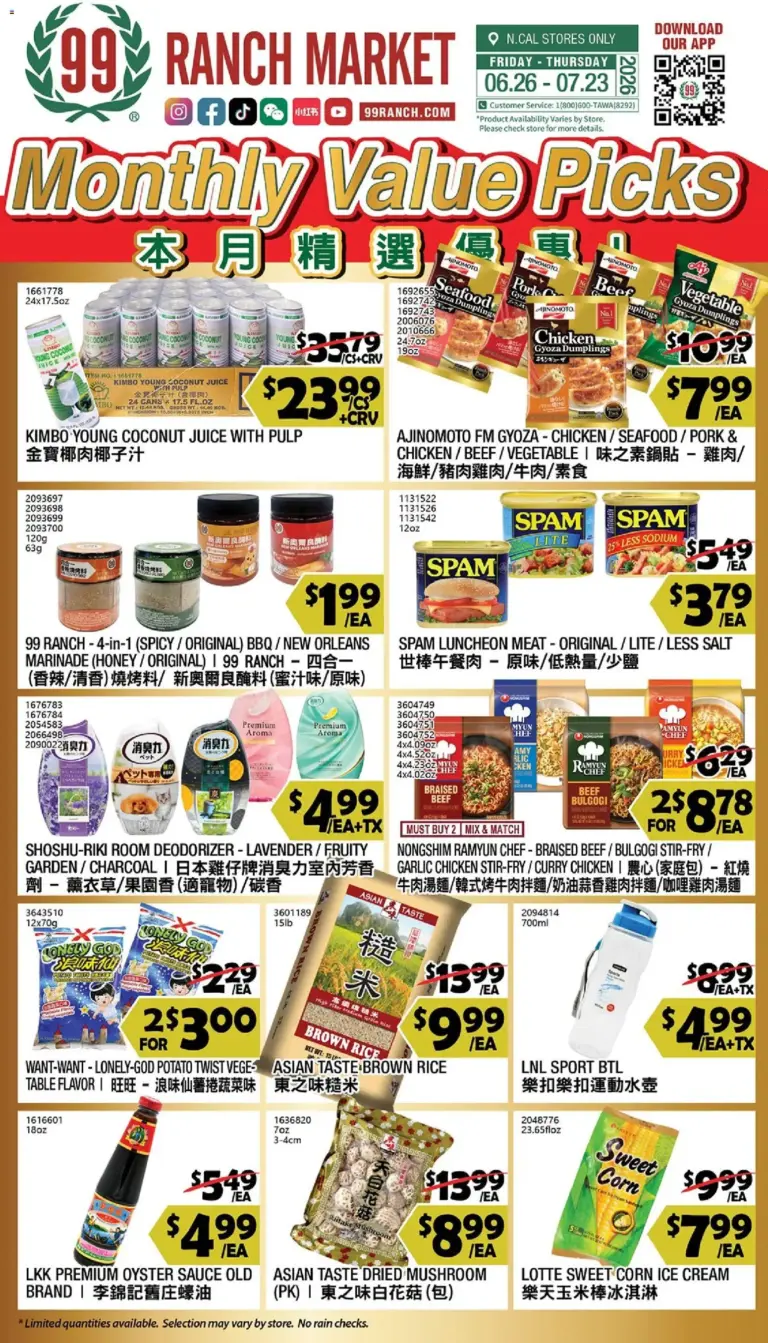
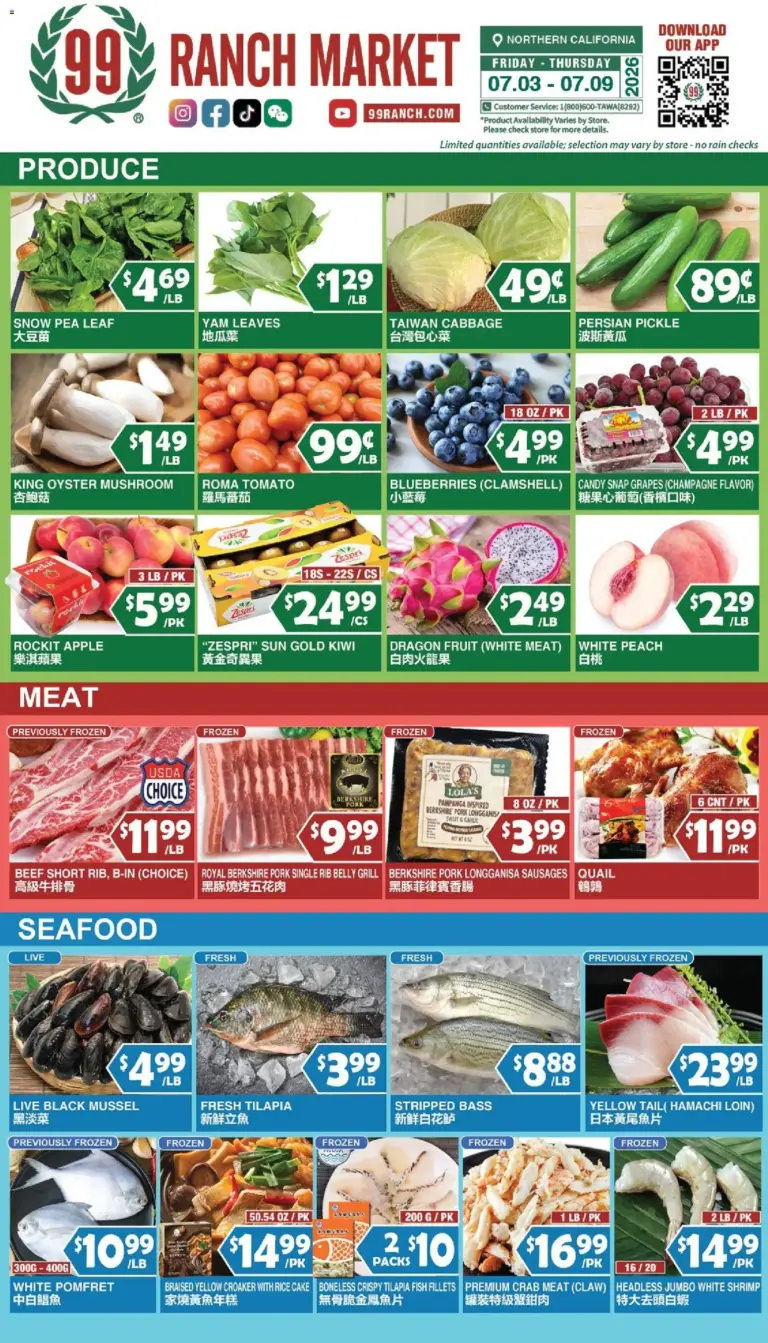
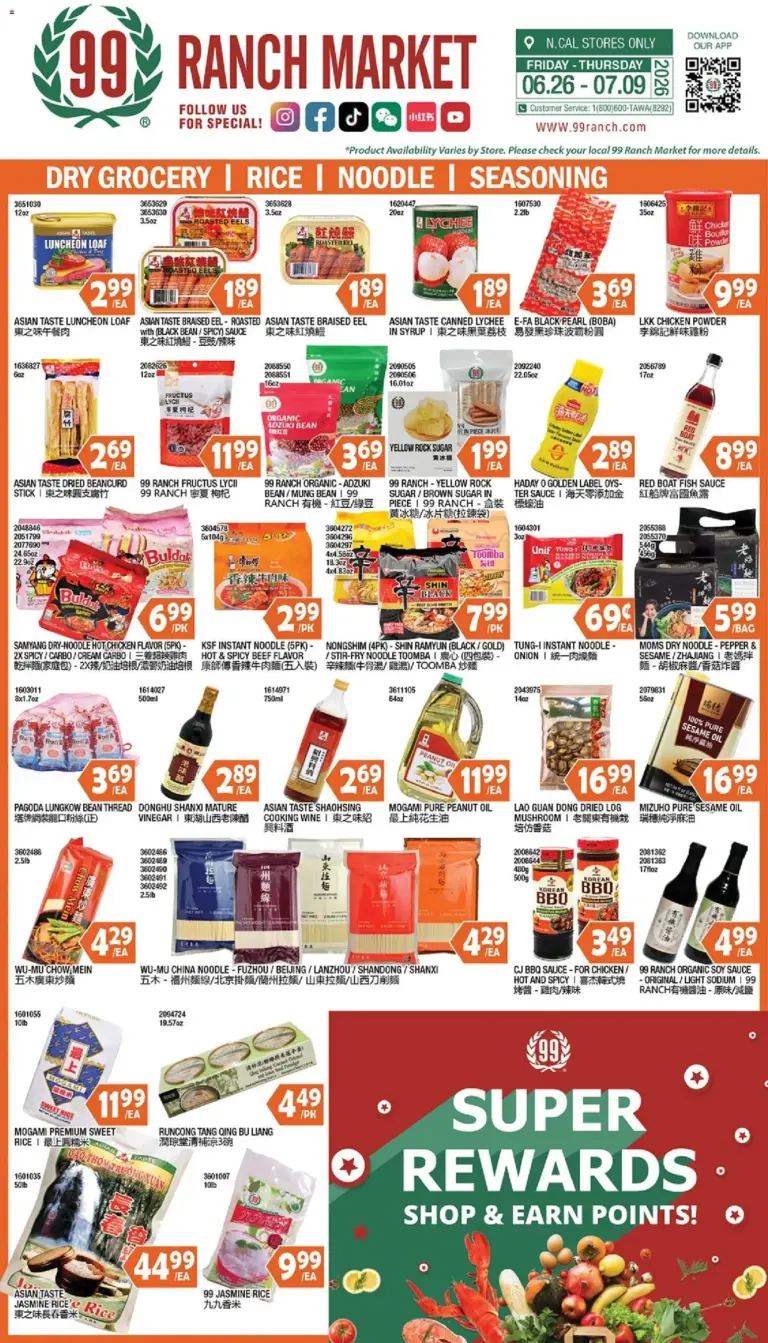
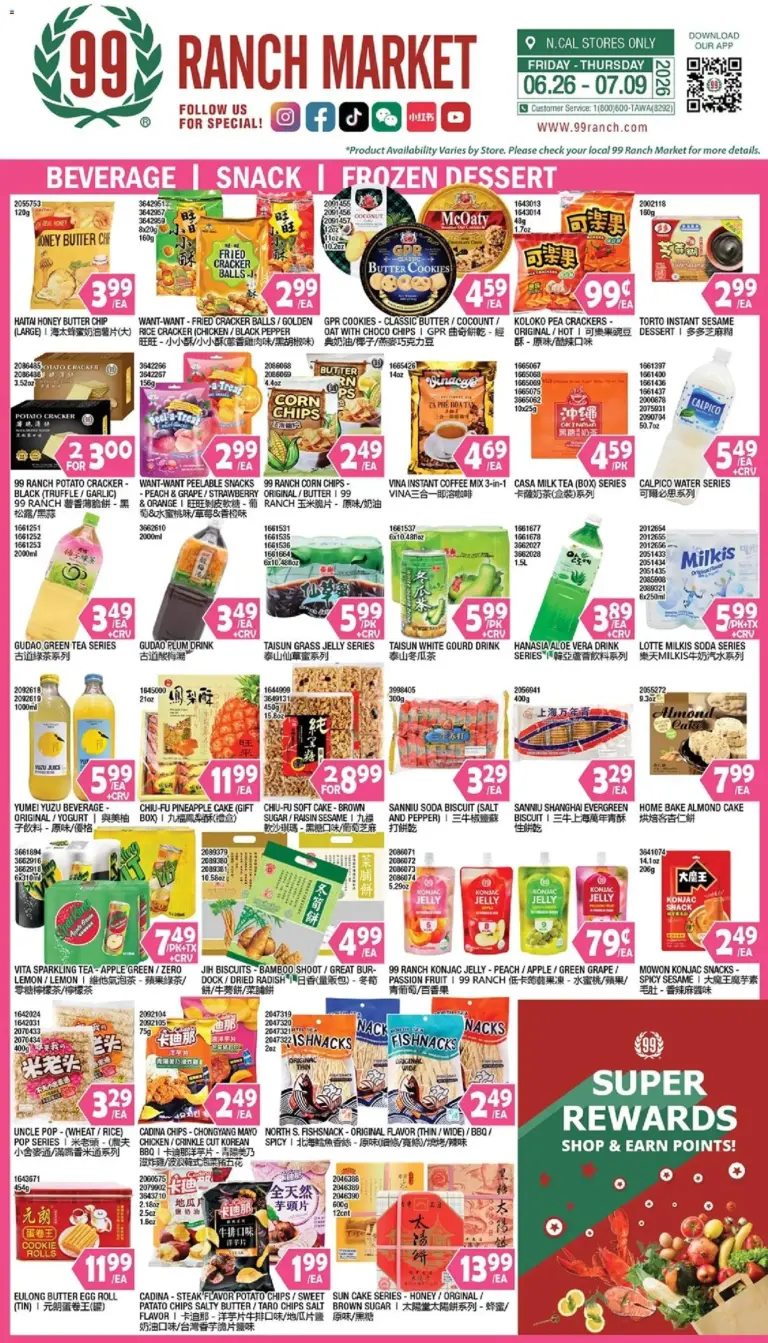
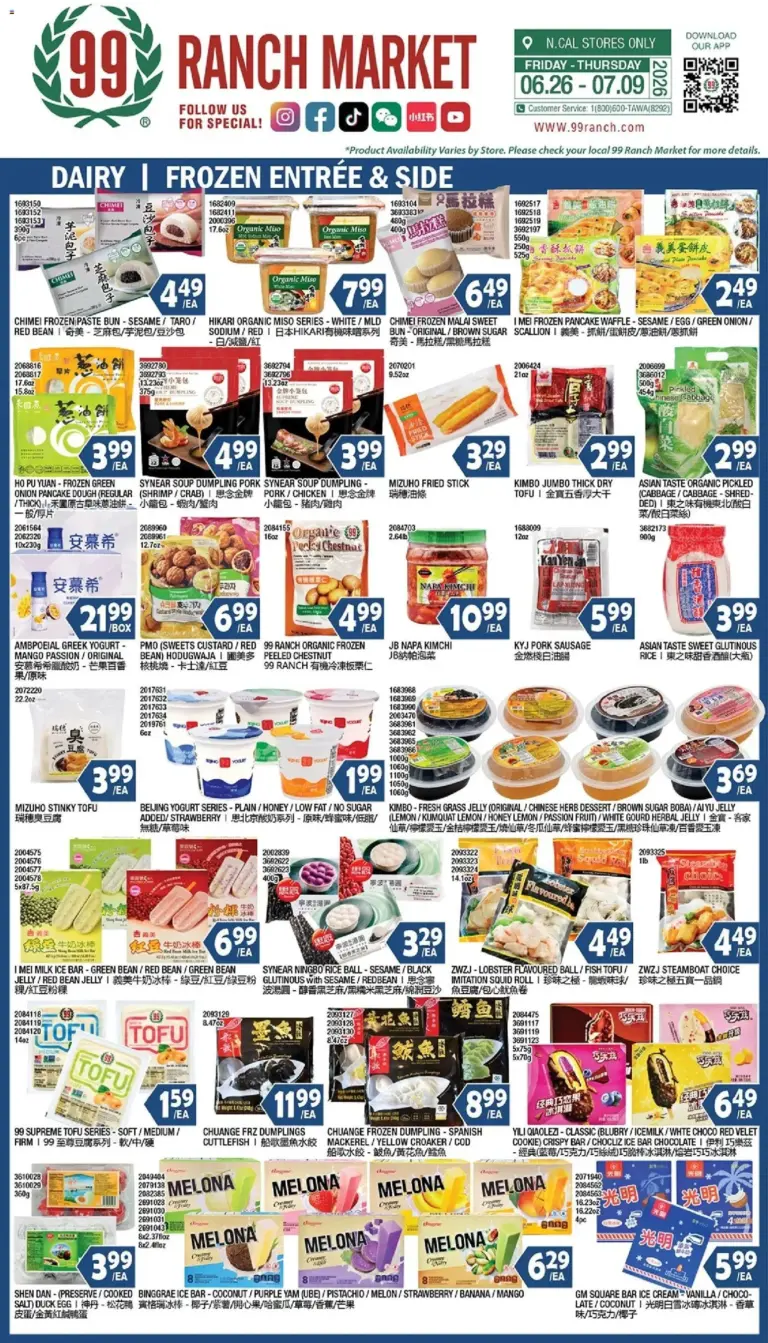
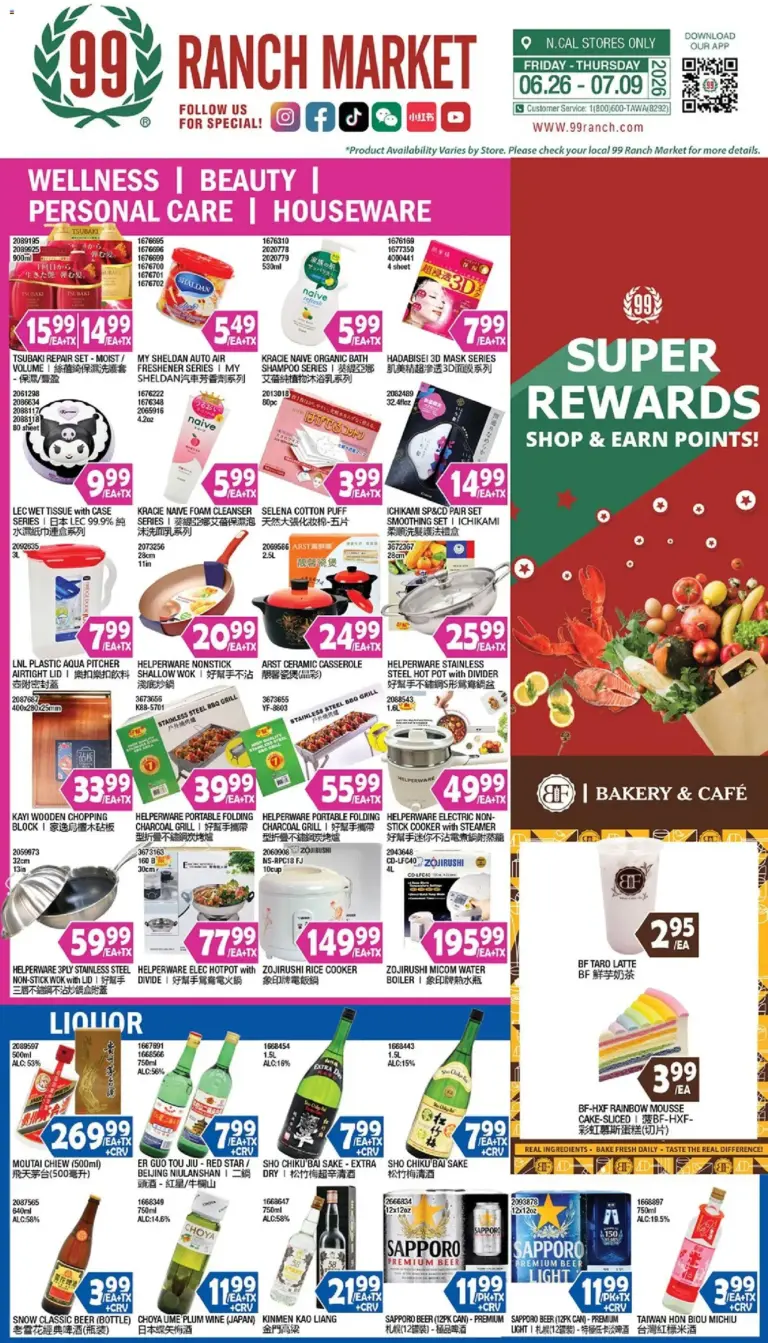
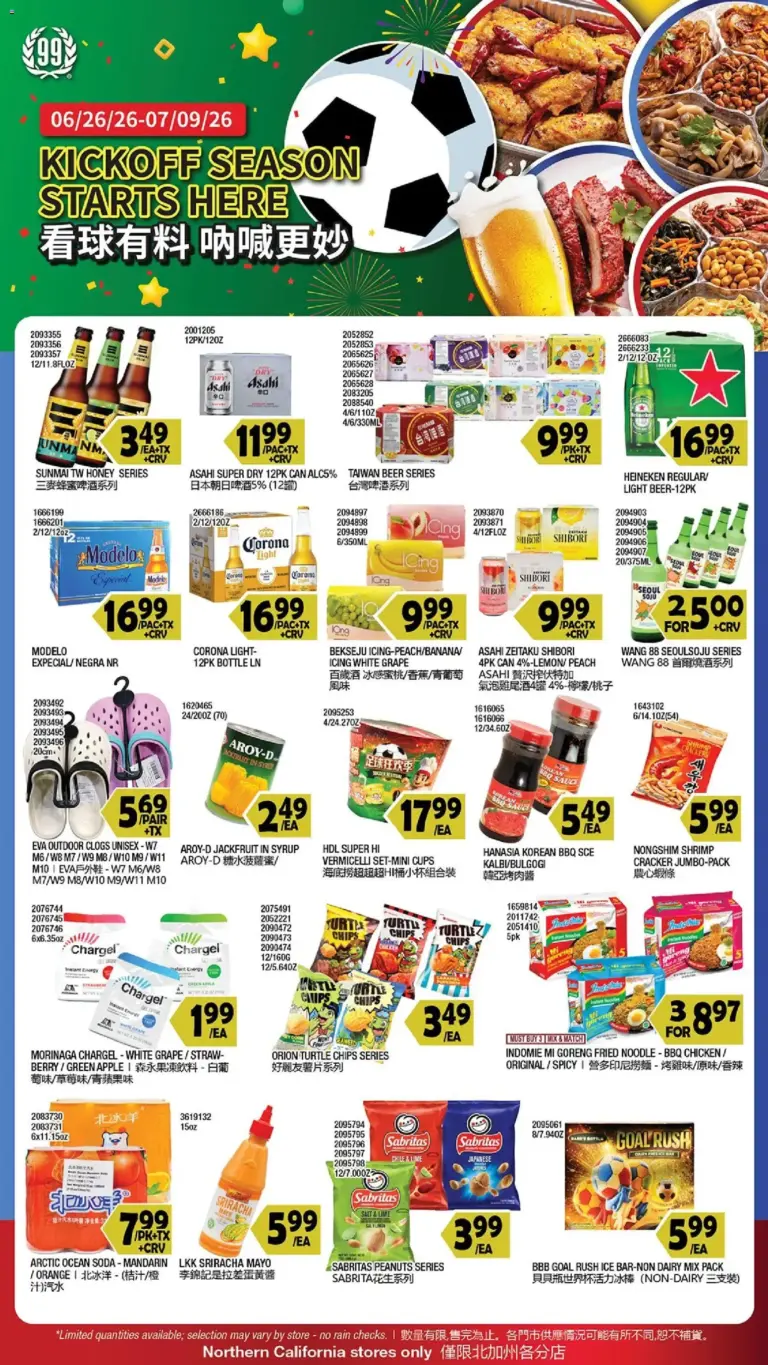
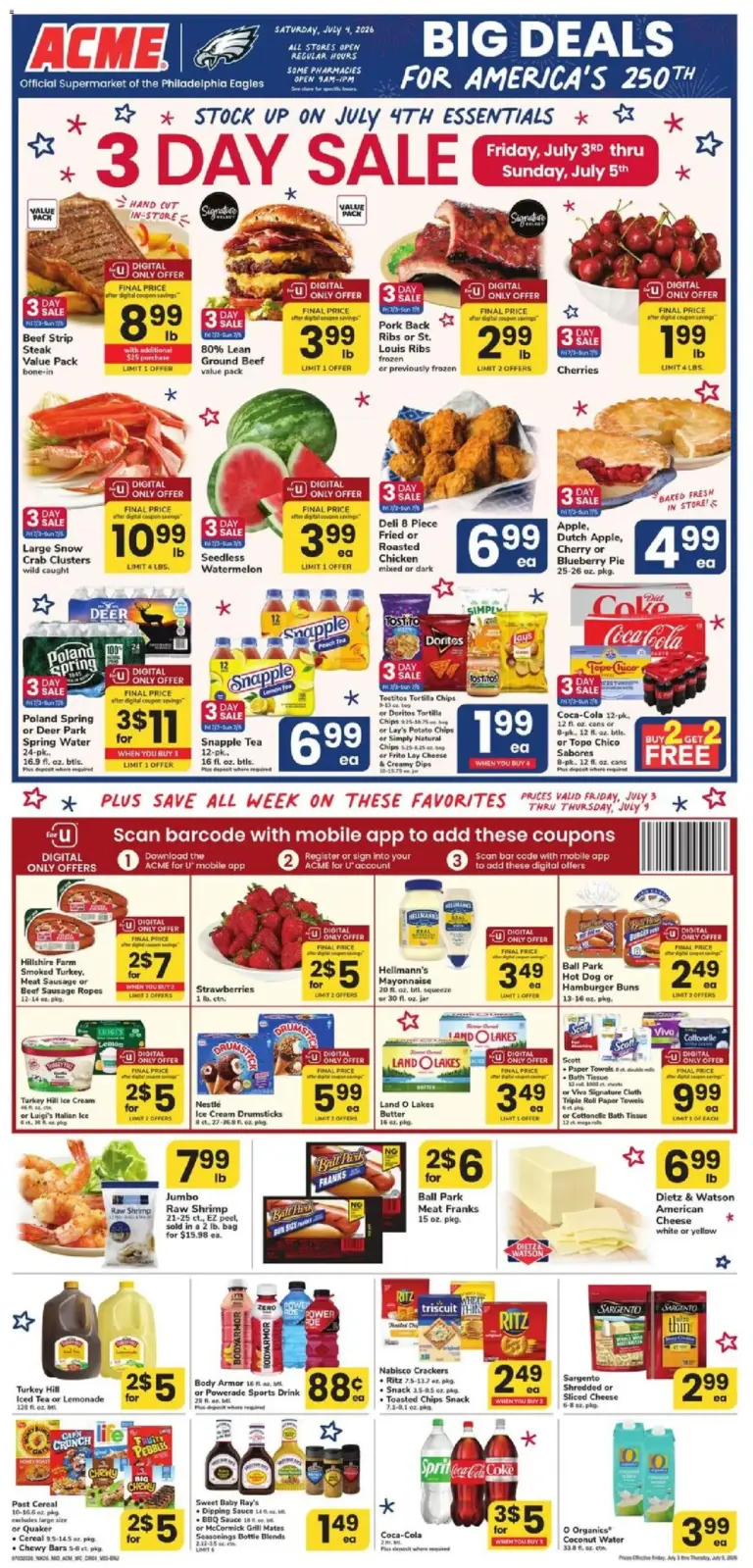
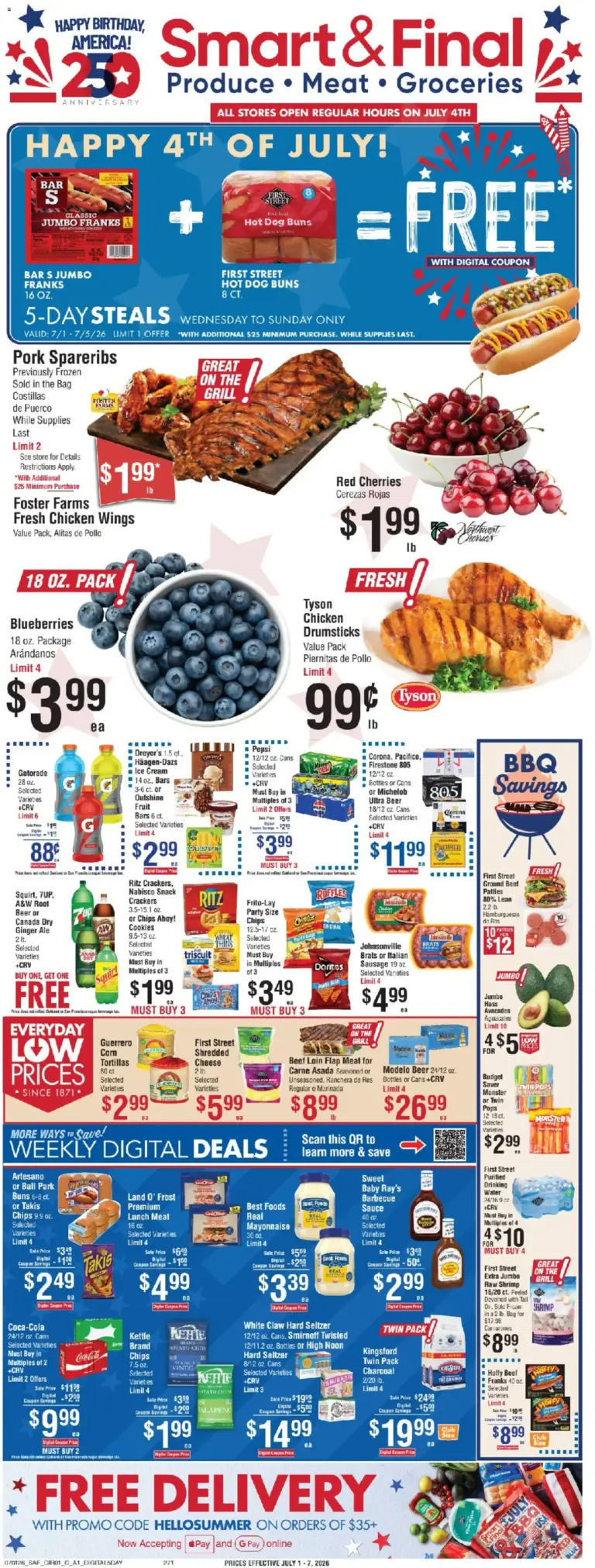
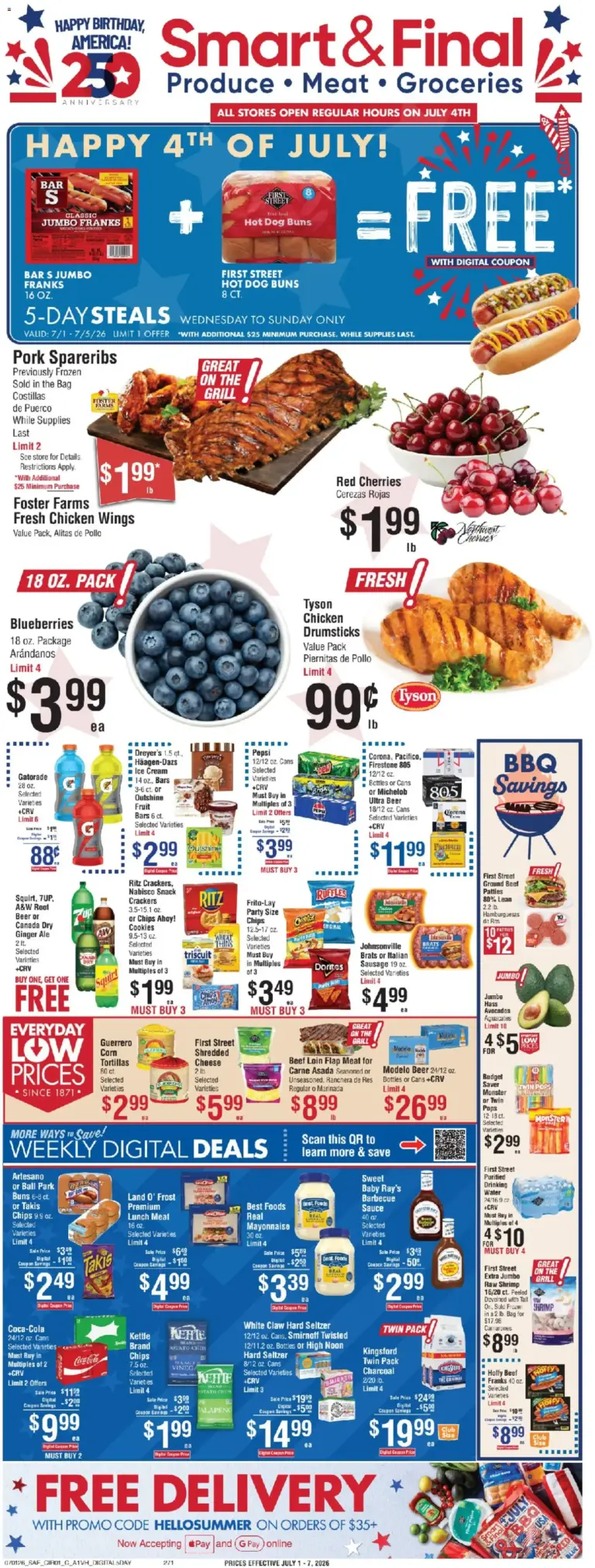
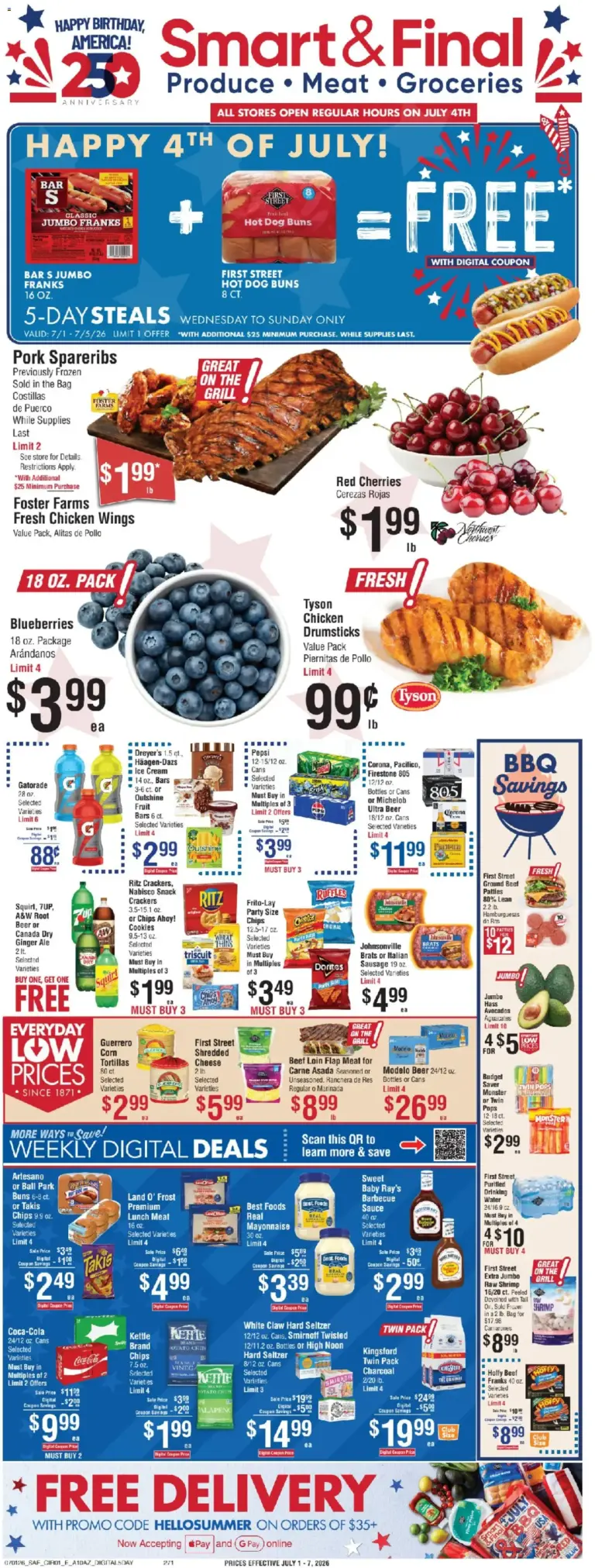
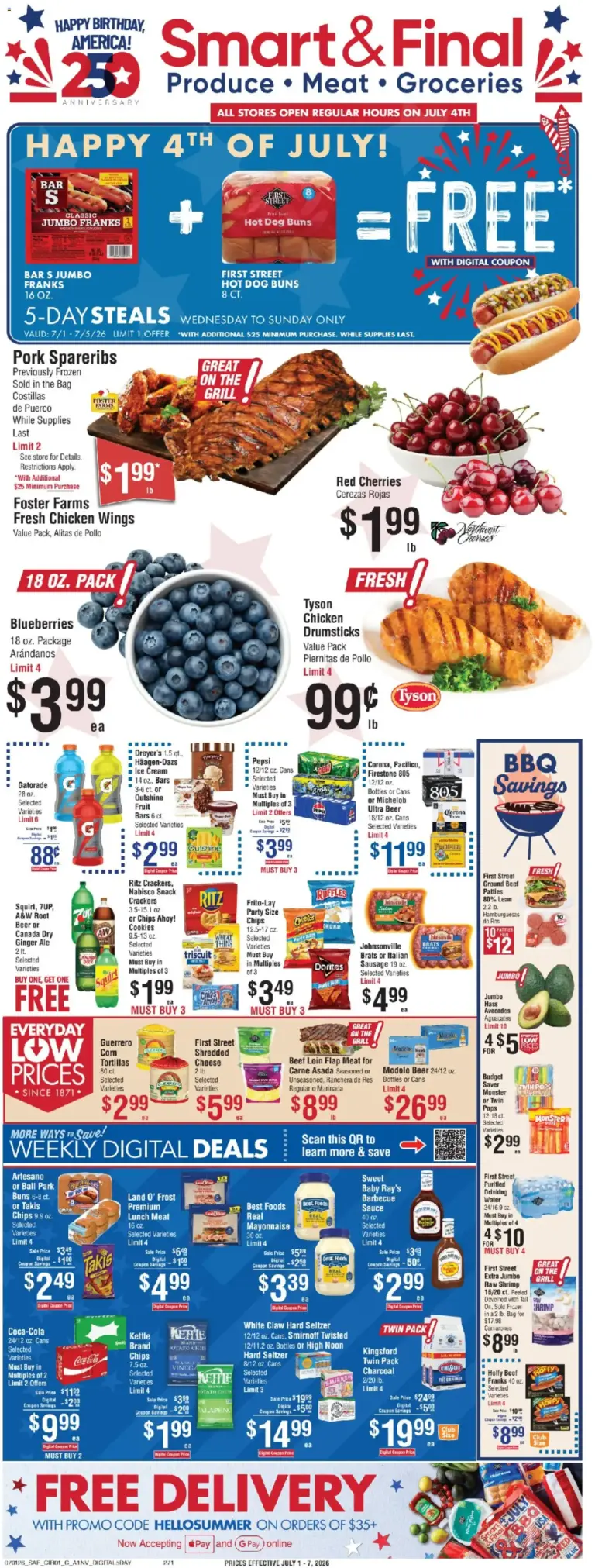
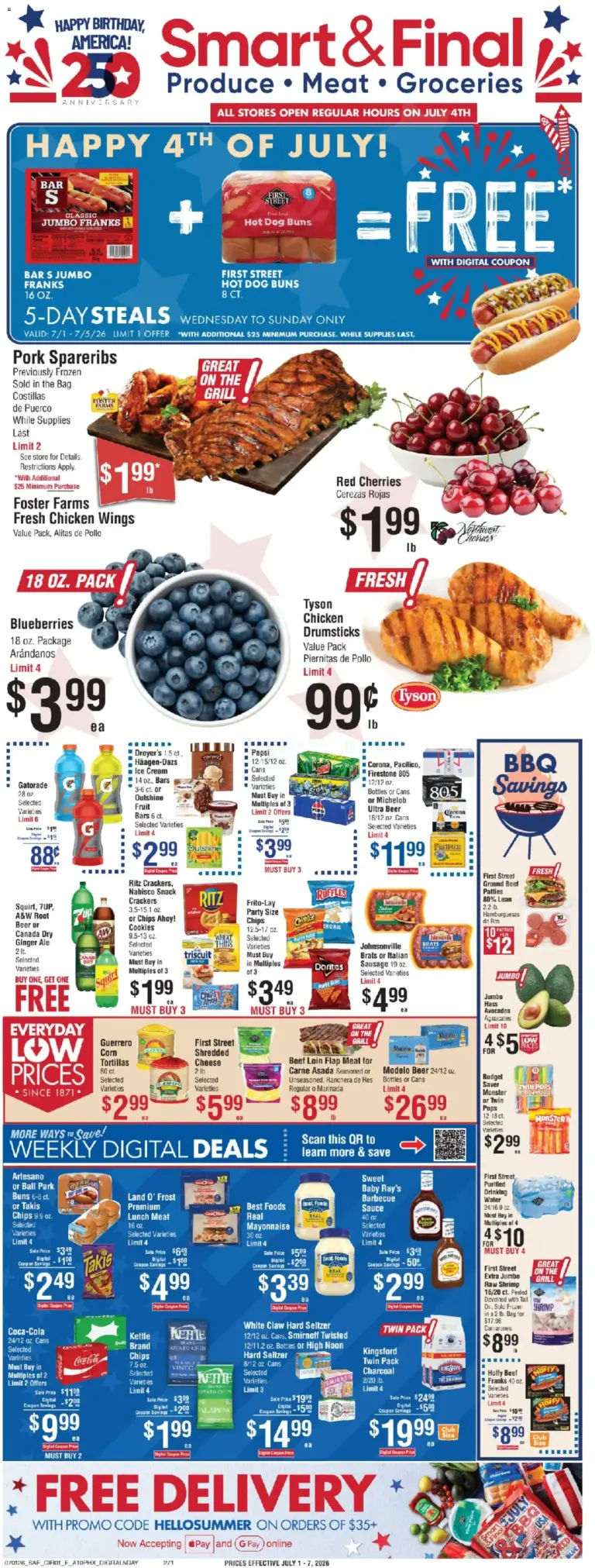
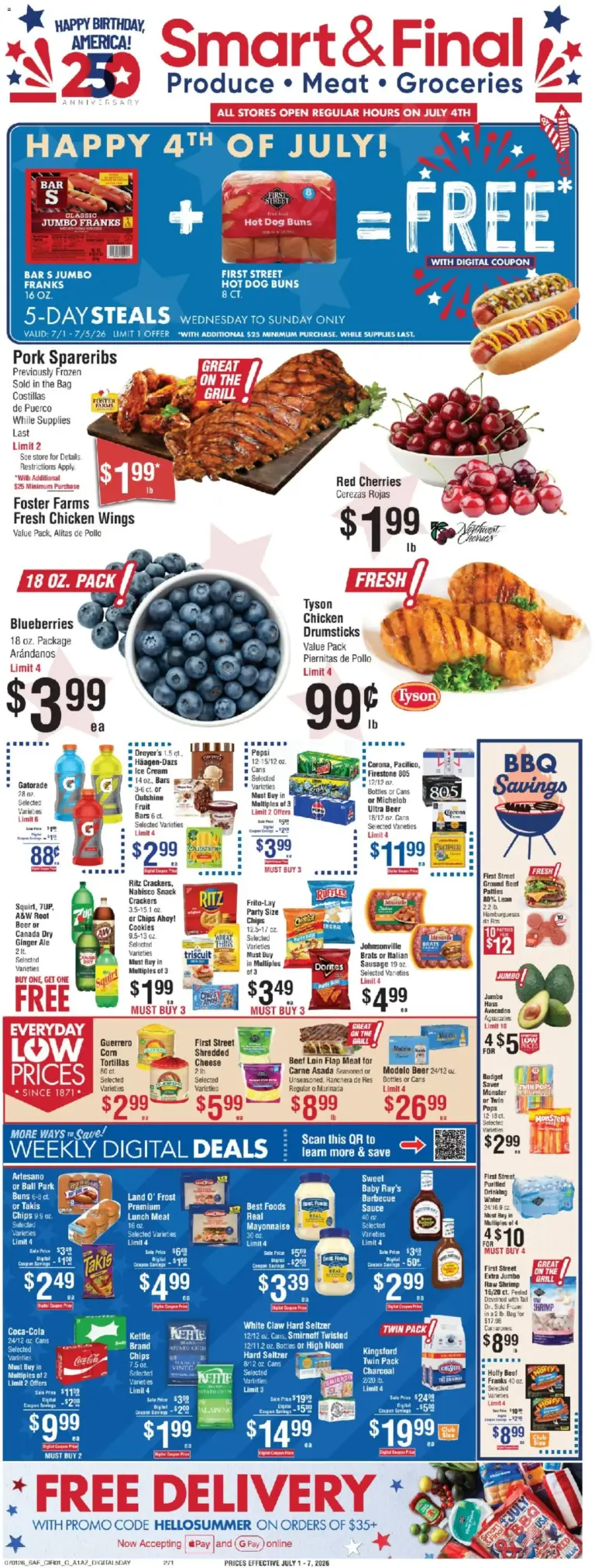
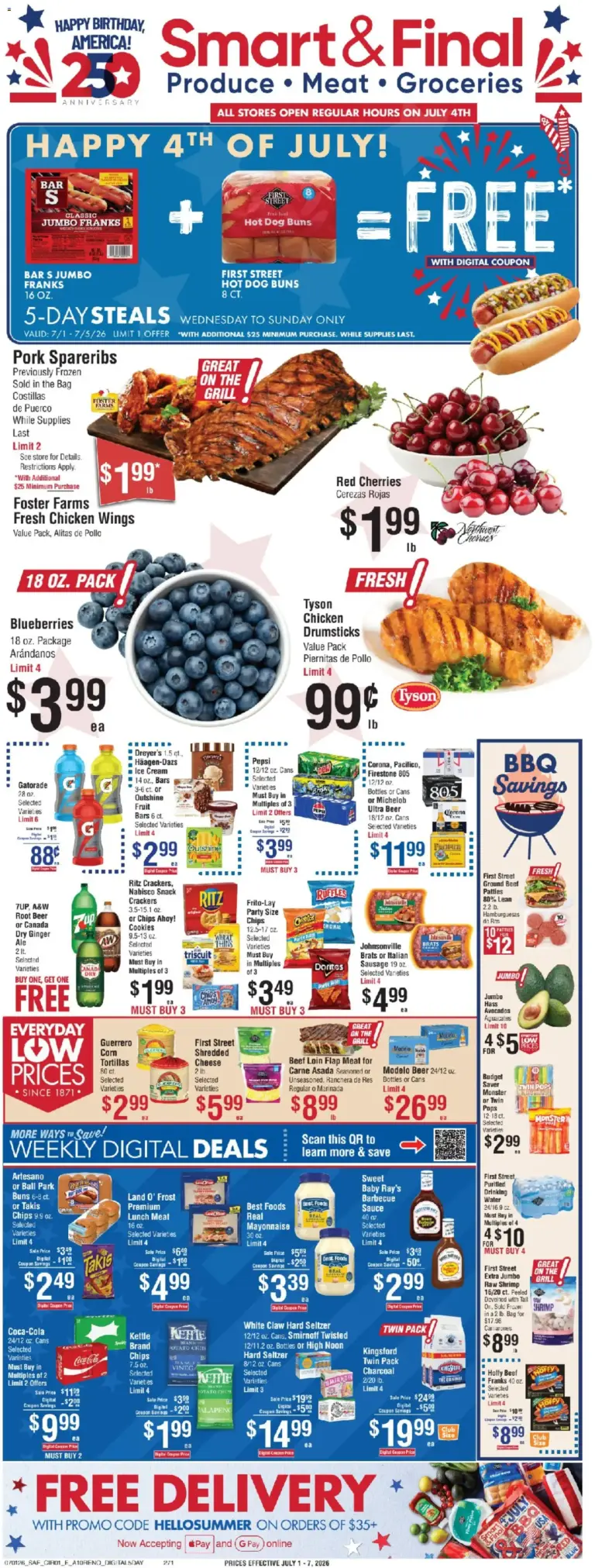
Most supermarkets launch new weekly ads on the same day each week. Shopping shortly after new promotions begin gives you access to the best selection of discounted products.
Fresh Inventory Arrives Throughout the Week
Many stores receive fresh shipments several times a week, which means shoppers can often find fresher produce, meat, dairy products, and baked goods.









The Best Day to Shop
Although every retailer has its own schedule, midweek is often one of the best times to shop.
Benefits of Midweek Shopping
Shopping on Wednesday or Thursday often provides:
- Access to new weekly deals
- Better availability of sale items
- Less crowded stores
- More time to compare prices
Checking your local weekly ad before shopping helps you take advantage of the newest discounts.
The Best Time of Day to Shop
The time of day can affect both product availability and your shopping experience.
Shop Early in the Morning
Morning shoppers usually enjoy:
- Fresh produce
- Fully stocked shelves
- Better bakery selection
- Shorter checkout lines
Look for Evening Markdowns
Some supermarkets reduce prices on bakery items, prepared meals, meat, and other perishable products later in the day to reduce waste.
Availability varies by store, but evening shoppers can sometimes find excellent bargains.
Buy Seasonal Products
Seasonal foods are usually fresher and less expensive because they are more widely available.
Seasonal Produce Can Lower Your Grocery Bill
Examples include:
- Berries during spring and summer
- Corn in the summer
- Apples in the fall
- Citrus fruits during the winter
Planning meals around seasonal produce is an easy way to save money while enjoying fresh ingredients.
Build a Smart Shopping Strategy
Saving money isn’t only about finding discounts. It’s also about creating good shopping habits.
Check Weekly Grocery Ads First
Always review weekly ads before creating your shopping list.
Planning meals around discounted products allows you to reduce grocery costs without sacrificing variety.
Join Store Loyalty Programs
Many grocery stores offer free rewards programs that include:
- Member-only pricing
- Digital coupons
- Personalized offers
- Fuel rewards
- Cashback opportunities
Combining loyalty discounts with weekly sales can produce significant savings.
Shop With a Grocery List
A shopping list helps you stay focused and reduces impulse purchases.
Organize your list by department:
- Produce
- Dairy
- Meat
- Frozen foods
- Pantry staples
- Household essentials
Stock Up on Pantry Staples
Some products have a long shelf life and are perfect for buying during major sales.
Smart Pantry Items to Buy
- Rice
- Pasta
- Oats
- Canned vegetables
- Beans
- Peanut butter
- Coffee
Buying these products at their lowest prices can reduce grocery expenses throughout the year.
Frequently Asked Questions
What is the best day to buy groceries?
Many shoppers find Wednesday or Thursday ideal because new promotions have started and sale items are still well stocked.
Is shopping early in the morning better?
Yes. Early shoppers usually enjoy fresher products, shorter lines, and a wider selection.
Do grocery stores discount food before closing?
Some supermarkets reduce prices on perishable products later in the day, although policies vary by location.
Should I check weekly ads every week?
Absolutely. Weekly ads remain one of the best tools for planning meals and finding lower prices on groceries.
Final Thoughts
Shopping at the right time can have a real impact on your grocery budget. By checking weekly ads, shopping when promotions begin, buying seasonal produce, and using store loyalty programs, you can consistently reduce your grocery expenses.
Over time, these simple habits become routine and can save hundreds of dollars each year without changing the foods you enjoy.