
🛒 Aldi has become one of the world’s most recognizable discount supermarket chains, but not every Aldi store offers the same shopping experience. If you’ve visited an Aldi in the United States and later shopped at an Aldi in Spain, you’ve probably noticed major differences in products, store layouts, pricing, and even customer habits.
Although both stores follow Aldi’s famous low-price philosophy, they are designed to meet the needs of completely different markets. Local food culture, customer preferences, and supplier networks all influence what shoppers find on the shelves.
In this guide, we’ll compare Aldi USA vs Aldi Spain and explain the biggest differences every shopper should know.
🌍 Why Aldi Stores Differ Between Countries
Many people assume Aldi stores are identical worldwide, but that’s not the case.


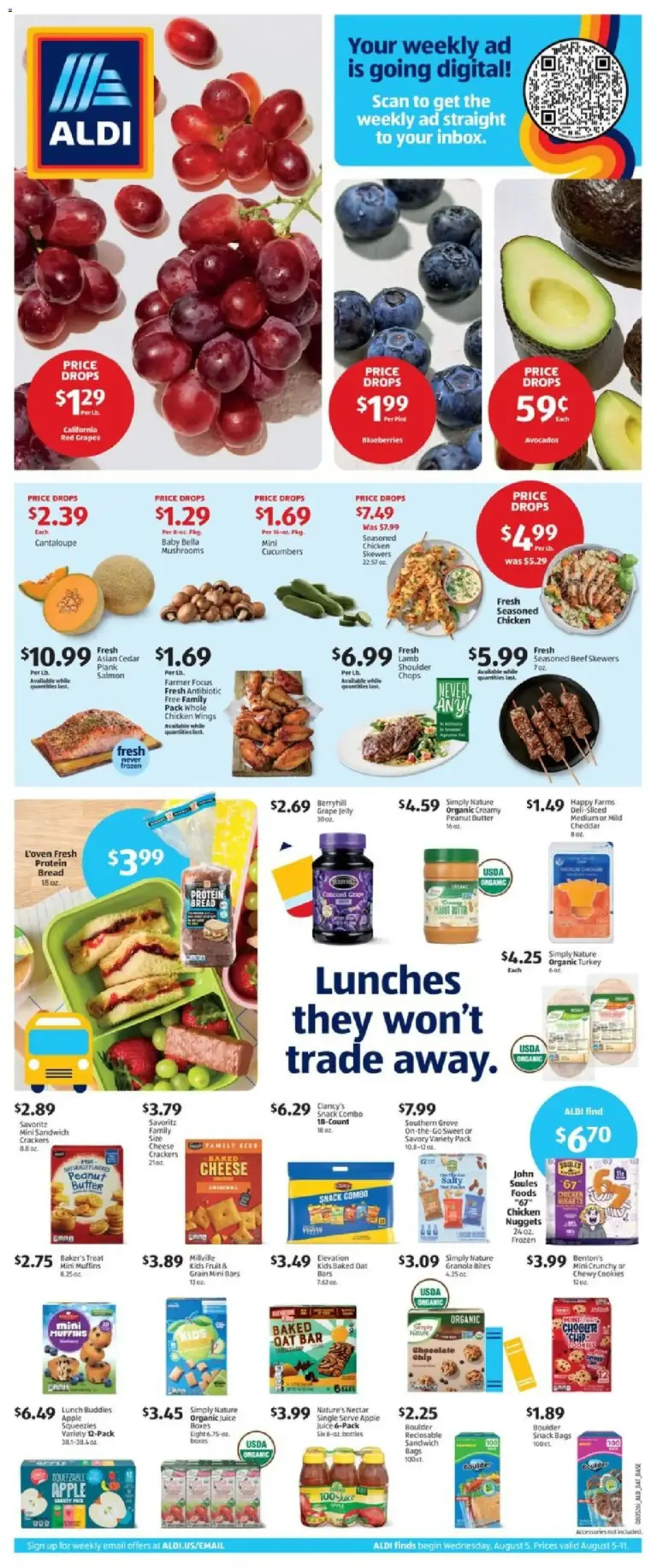
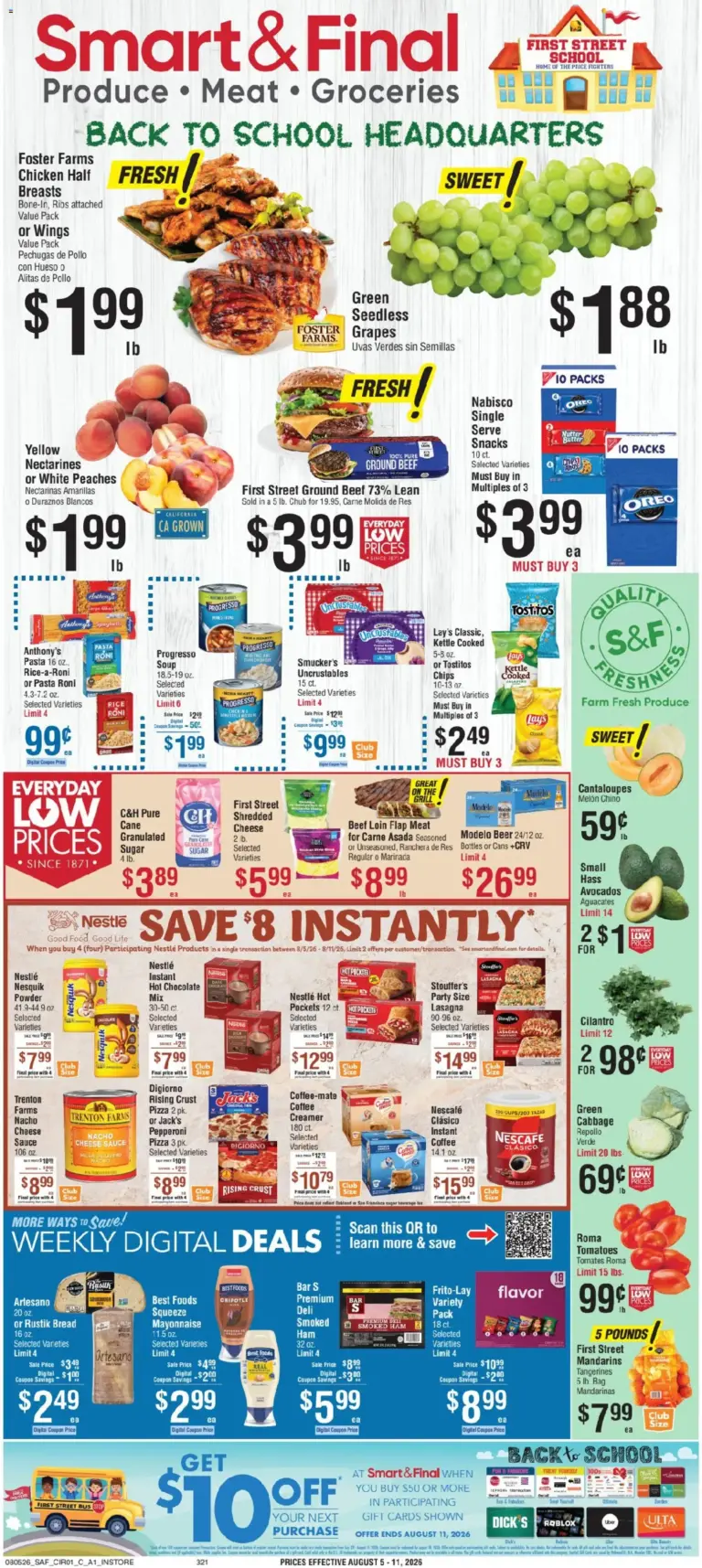

🇺🇸 Aldi Adapts to Local Markets
Aldi builds its product selection around local shopping habits.
American shoppers typically purchase:
- Large family-size packages
- Frozen meals
- Breakfast cereals
- Soft drinks
- Bulk snacks
- Peanut butter
- BBQ products
Spanish shoppers usually prefer:
- Fresh produce
- Olive oil
- Seafood
- Cheese
- Fresh bread
- Mediterranean ingredients
- Smaller package sizes
This local approach allows Aldi to stay competitive in every country.
🛍 Product Selection
The biggest difference is the food itself.
🇺🇸 Aldi USA
American Aldi stores focus on:
- 🥩 Large meat selections
- 🧀 Family-size dairy products
- 🍕 Frozen pizzas
- 🥣 Breakfast foods
- 🥤 Soft drinks
- 🍪 Large snack aisles
- 🧊 Frozen convenience meals
Many products are designed for busy families looking for affordable weekly groceries.
🇪🇸 Aldi Spain
Spanish stores emphasize fresh foods.
You’ll find more:
- 🥖 Fresh bakery items
- 🫒 Olive oils
- 🧀 Local cheeses
- 🐟 Seafood
- 🍅 Seasonal vegetables
- 🍊 Fresh fruit
- 🍷 Regional specialties
- 🥜 Mediterranean snacks
Prepared frozen meals occupy much less shelf space than in the U.S.
💲 Prices and Promotions
Both countries are known for low prices, but promotions work differently.
🇺🇸 Weekly Ads Play a Bigger Role
American Aldi shoppers often plan their grocery trips around weekly ads.
Popular promotions include:
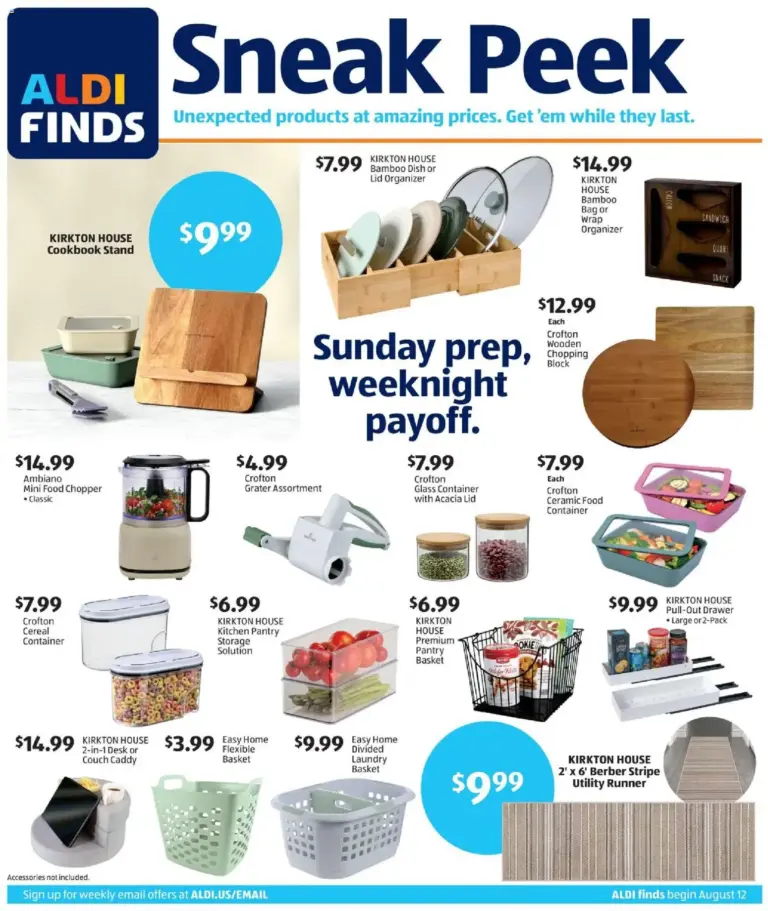
- Weekly Aldi Finds
- Seasonal products
- Holiday specials
- Limited-time grocery offers
Many shoppers visit every week to discover new items.
🇪🇸 More Stable Everyday Pricing
Spanish Aldi stores also feature weekly offers, but customers often focus on everyday low prices rather than limited-time promotions.
Seasonal European products are introduced throughout the year, especially around local holidays.
🏷 Private Label Products
Private-label products are a key part of Aldi’s business model.
🇺🇸 American Private Labels
Most grocery items are Aldi-exclusive brands.
Examples include:
- 🥛 Dairy products
- 🍪 Cookies
- 🥣 Cereals
- 🥫 Canned goods
- 🧀 Cheese
- 🥜 Snacks
These brands are designed to compete with national brands while keeping prices low.
🇪🇸 Spanish Private Labels
Spain also relies heavily on Aldi’s own brands, but many products are sourced from Spanish and European suppliers.
Customers will notice:
- Local cheeses
- Spanish cured meats
- Regional olive oils
- Mediterranean desserts
- European chocolates
This gives Aldi Spain a more regional character.
🥖 Fresh Bakery
One of the most noticeable differences is the bakery.
🇺🇸 Limited Fresh Bakery
Many American Aldi stores offer packaged bread, bagels, tortillas, and pastries.
Some locations include expanded bakery sections, but they’re generally smaller.
🇪🇸 Fresh Bread Every Day
Fresh bakery products are much more important in Spain.
Customers often buy:
- 🥖 Baguettes
- 🥐 Croissants
- 🥯 Bread rolls
- 🥨 Pastries
Fresh bread is a daily shopping habit for many Spanish families.
🧀 Cheese and Deli Products
Food culture strongly influences this department.
🇺🇸 More Packaged Products
American stores focus on:
- Shredded cheese
- Sliced cheese
- Family-size packs
- Packaged deli meats
🇪🇸 Greater Variety
Spanish Aldi stores usually offer:
- Manchego cheese
- Iberian-style cured meats
- Local cheeses
- European cold cuts
- Fresh tapas ingredients
The selection reflects Mediterranean eating habits.
🍷 Alcohol Selection
Another major difference is the wine section.
🇺🇸 Wine Availability Depends on State Laws
Alcohol regulations vary across the United States.
Some Aldi stores sell wine and beer, while others cannot because of local laws.
🇪🇸 Wine Is Part of Everyday Shopping
Spanish Aldi stores often feature an extensive selection of:
- 🍷 Spanish wines
- 🍾 Sparkling wines
- 🍺 European beers
- 🍸 Seasonal beverages
Many wines are locally produced and offered at competitive prices.
🛒 Store Layout
Although both stores are designed for efficiency, shopping feels slightly different.
🇺🇸 Wider Aisles
American stores often feature:
- Larger shopping carts
- Wider aisles
- Bigger parking lots
- Larger product packages
The layout supports weekly family shopping trips.
🇪🇸 Compact Shopping Experience
Spanish Aldi stores are usually:
- Smaller
- Easier to walk through
- Designed for more frequent shopping
- Focused on fresh products
Many customers shop several times a week instead of making one large trip.
♻ Sustainability
Both Aldi USA and Aldi Spain invest heavily in sustainability.
Shared Initiatives
Both countries promote:
- ♻ Recyclable packaging
- 🌱 Energy-efficient stores
- 🛍 Reusable shopping bags
- 🍎 Reduced food waste
- 💡 Energy-saving lighting
However, Spain places greater emphasis on local sourcing because of its strong regional agricultural network.
👨👩👧 Shopping Culture
Shopping habits differ just as much as the products.
🇺🇸 Weekly Stock-Up Shopping
American families often buy groceries for an entire week in one trip.
Large refrigerators and freezers make bulk purchases practical.
🇪🇸 Frequent Fresh Shopping
Many Spanish shoppers buy fresh bread, fruit, vegetables, and seafood several times each week.
Smaller purchases help maintain freshness and reflect Mediterranean cooking traditions.
Which Aldi Is Better?
There isn’t a universal winner.
Choose Aldi USA If You Prefer
- 🛒 Large weekly grocery trips
- 📦 Bulk packaging
- ❄ Frozen convenience meals
- 🍔 American grocery brands
- 🎉 Weekly Aldi Finds
Choose Aldi Spain If You Prefer
- 🥖 Fresh bakery products
- 🍅 Mediterranean ingredients
- 🫒 Olive oils
- 🐟 Fresh seafood
- 🧀 Regional cheeses
- 🍷 Excellent wine selection
Both stores provide outstanding value while serving the needs of their local customers.
Frequently Asked Questions
Is Aldi USA the same as Aldi Spain?
No. Both follow Aldi’s discount philosophy, but product selection, store size, and shopping habits are adapted to local markets.
Does Aldi Spain sell more fresh food?
Yes. Aldi Spain places a stronger emphasis on fresh produce, bakery items, seafood, cheeses, and Mediterranean ingredients.
Are Aldi prices cheaper in the United States or Spain?
Prices cannot be compared directly because of differences in taxes, suppliers, wages, and local markets. Both stores aim to offer competitive prices within their respective countries.
Why do Aldi products look different?
Most Aldi products are sourced locally or regionally, so packaging, ingredients, and available brands vary from country to country.
Does Aldi USA have the same private-label brands as Spain?
Some brands are shared, but many private-label products are developed specifically for each country’s market and customer preferences.
Final Thoughts
Although Aldi USA and Aldi Spain share the same mission of offering quality groceries at affordable prices, the shopping experience is surprisingly different. American stores focus on large weekly shopping trips, family-size products, and convenience foods, while Spanish locations emphasize fresh ingredients, local specialties, and Mediterranean cuisine.
If you’re traveling or living abroad, visiting an Aldi in another country is an interesting way to experience local food culture. No matter where you shop, Aldi continues to deliver one of the best combinations of quality, simplicity, and value in the grocery industry.