
For many American families, grocery shopping has become one of the largest monthly expenses. Food prices have increased over the past few years, and many shoppers assume the only way to save money is to buy less food or give up their favorite products.
Fortunately, that’s not true.
The most successful grocery shoppers don’t necessarily spend less because they buy fewer items. Instead, they spend less because they shop smarter. They understand how supermarkets price products, how weekly promotions work, and how to make purchasing decisions that maximize value.
If you’re looking for practical ways to reduce your grocery bill without sacrificing quality or nutrition, these proven strategies can make a significant difference.
Think Like a Grocery Store
Most people enter a supermarket with a shopping list and a budget. Grocery stores, however, have a different goal: encouraging customers to spend more.
Stores are carefully designed to increase impulse purchases. Essential items like milk, eggs, and bread are often placed at the back of the store, forcing shoppers to walk past dozens of products they didn’t plan to buy.
Understanding this strategy can help you become a more disciplined shopper.
Before entering the store, decide exactly what you need and avoid browsing aisles that are not part of your shopping plan.











Build Meals Around Weekly Specials
One of the biggest mistakes shoppers make is choosing meals first and then buying ingredients regardless of price.
A more effective approach is to reverse the process.
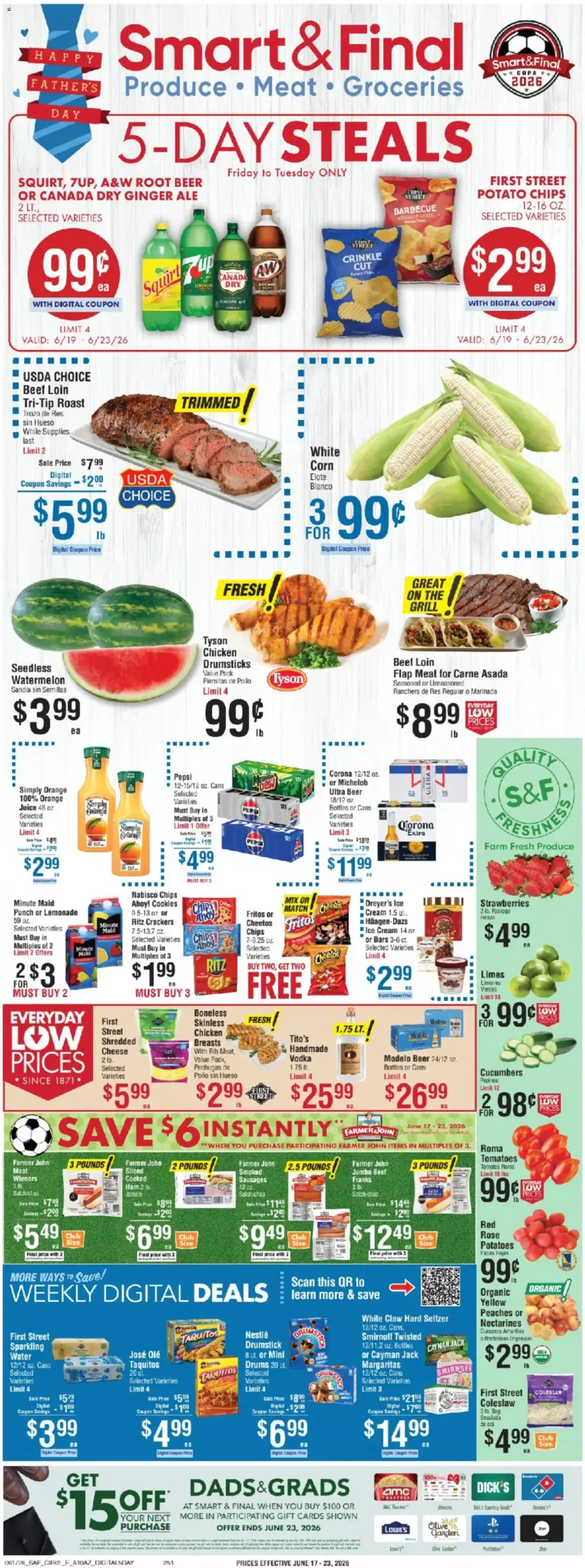
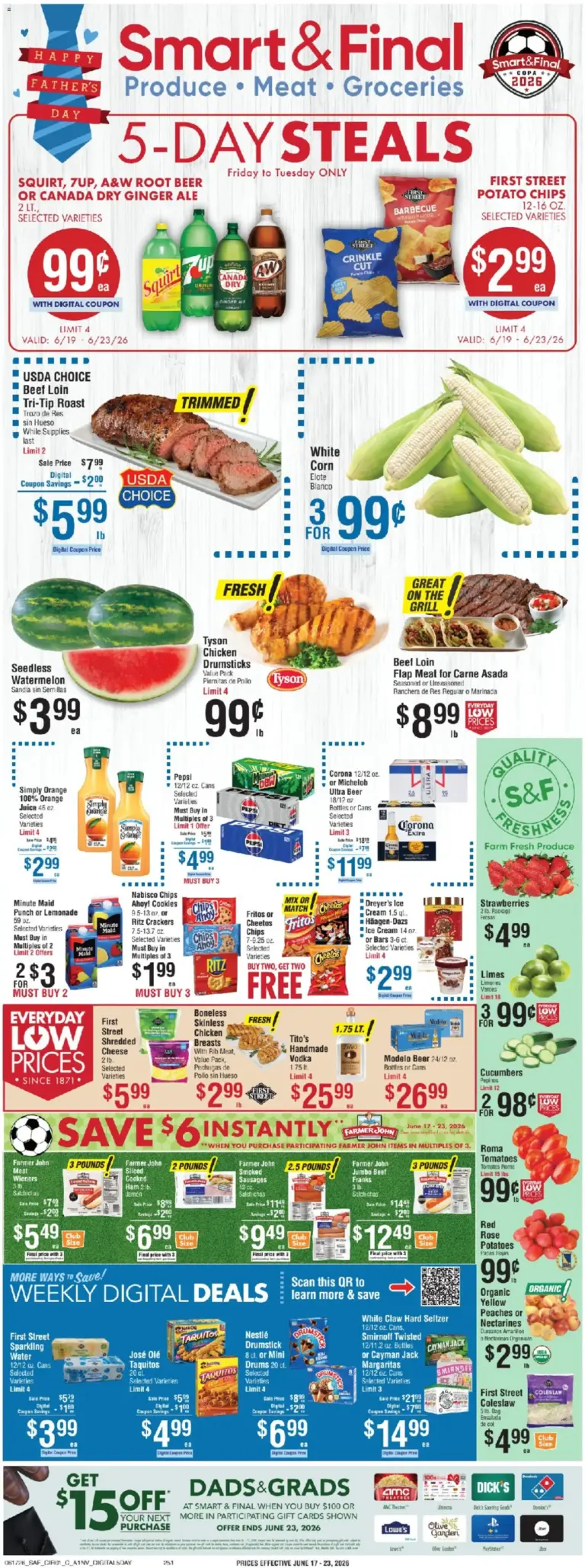
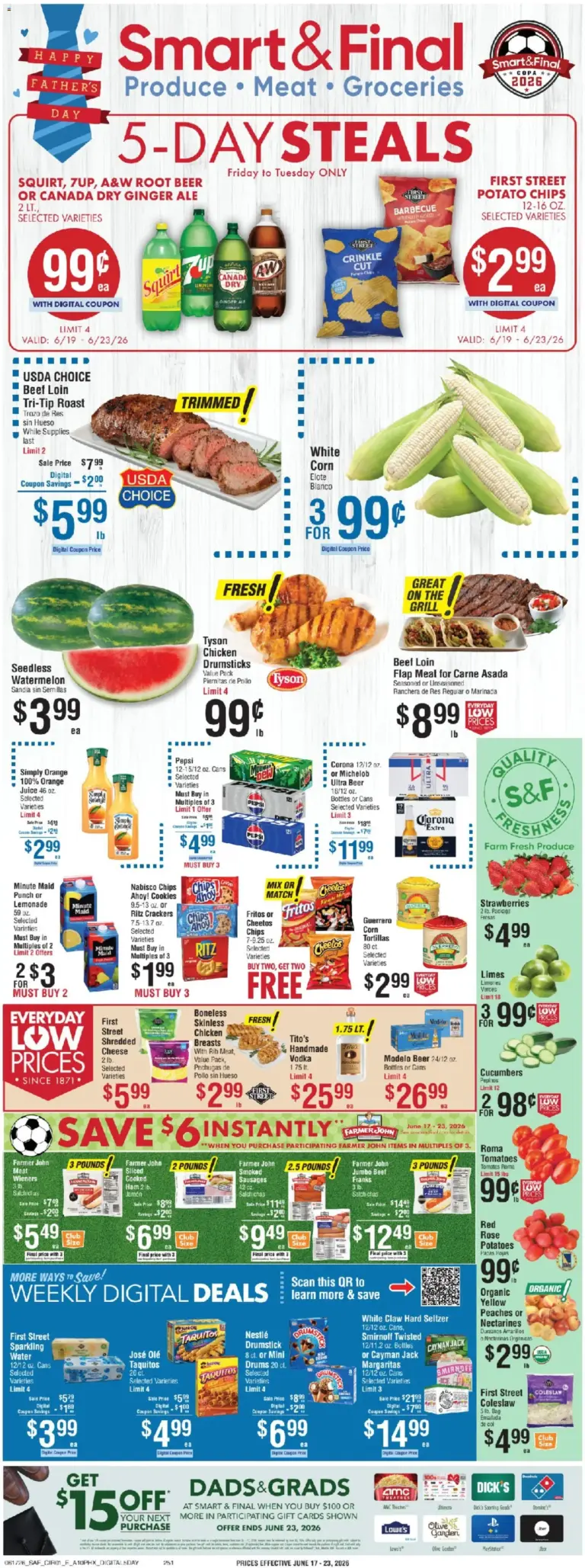
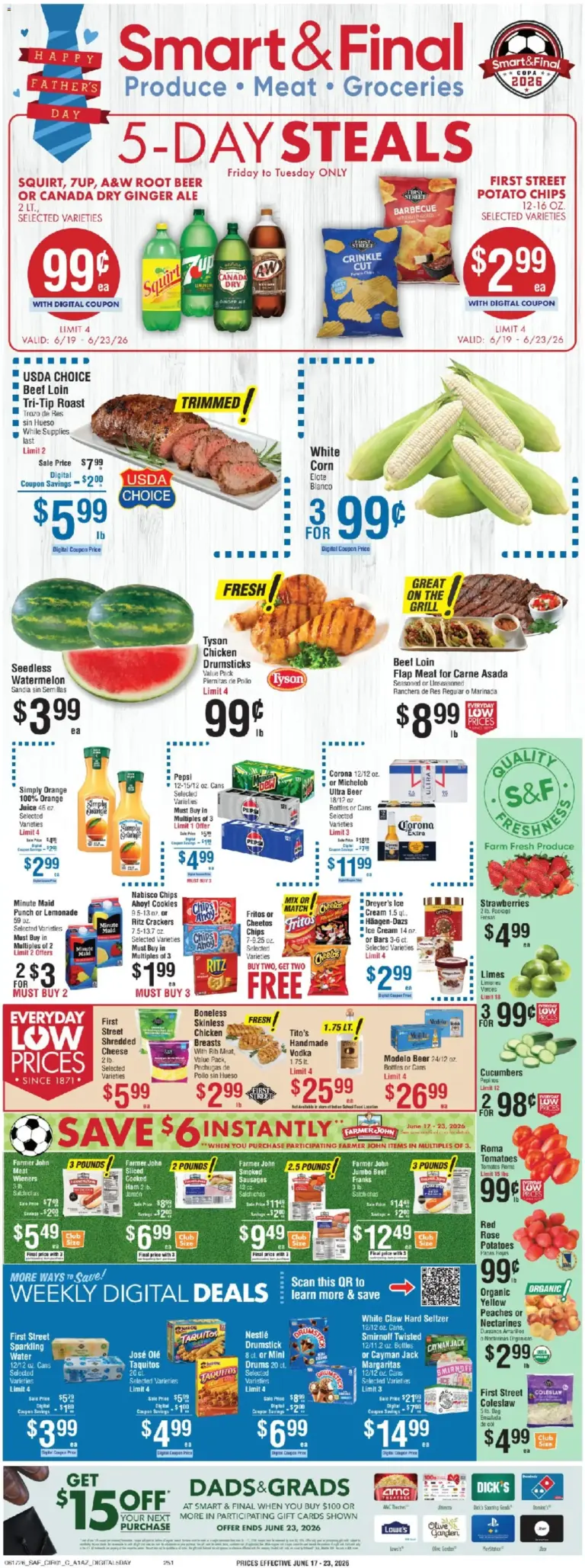
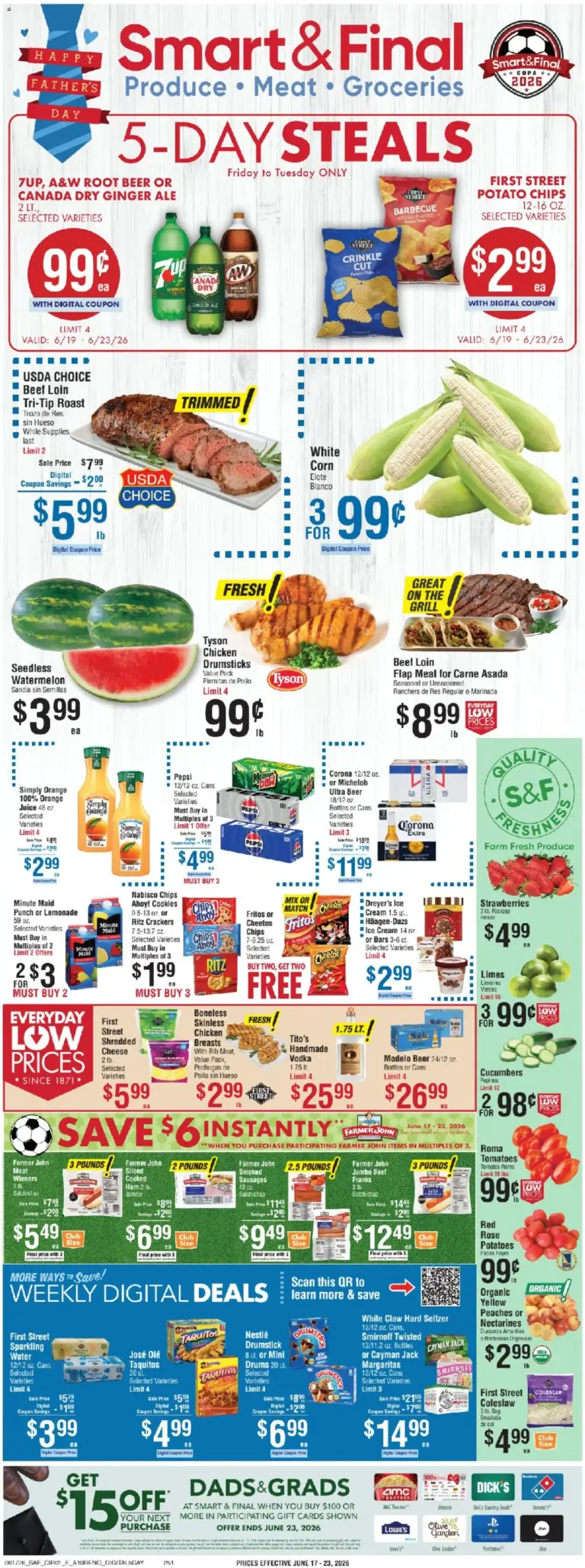
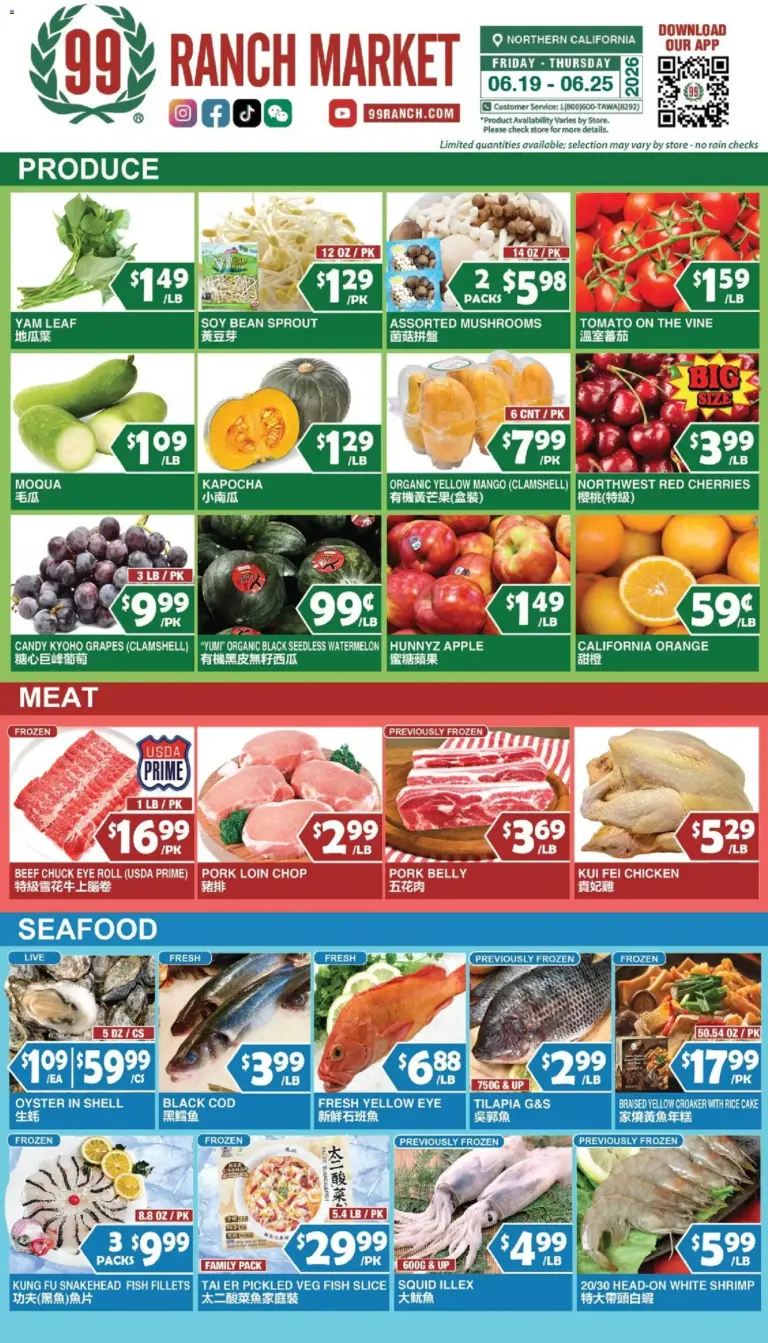
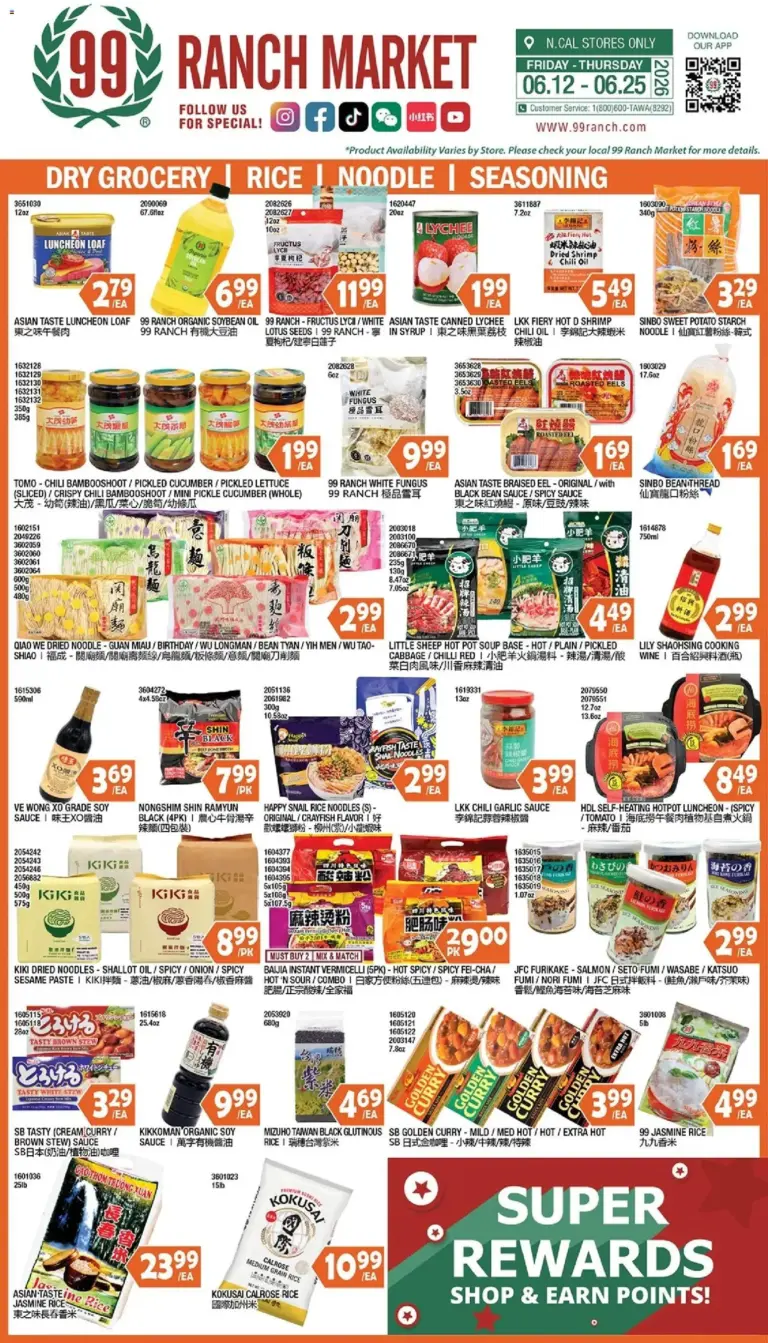
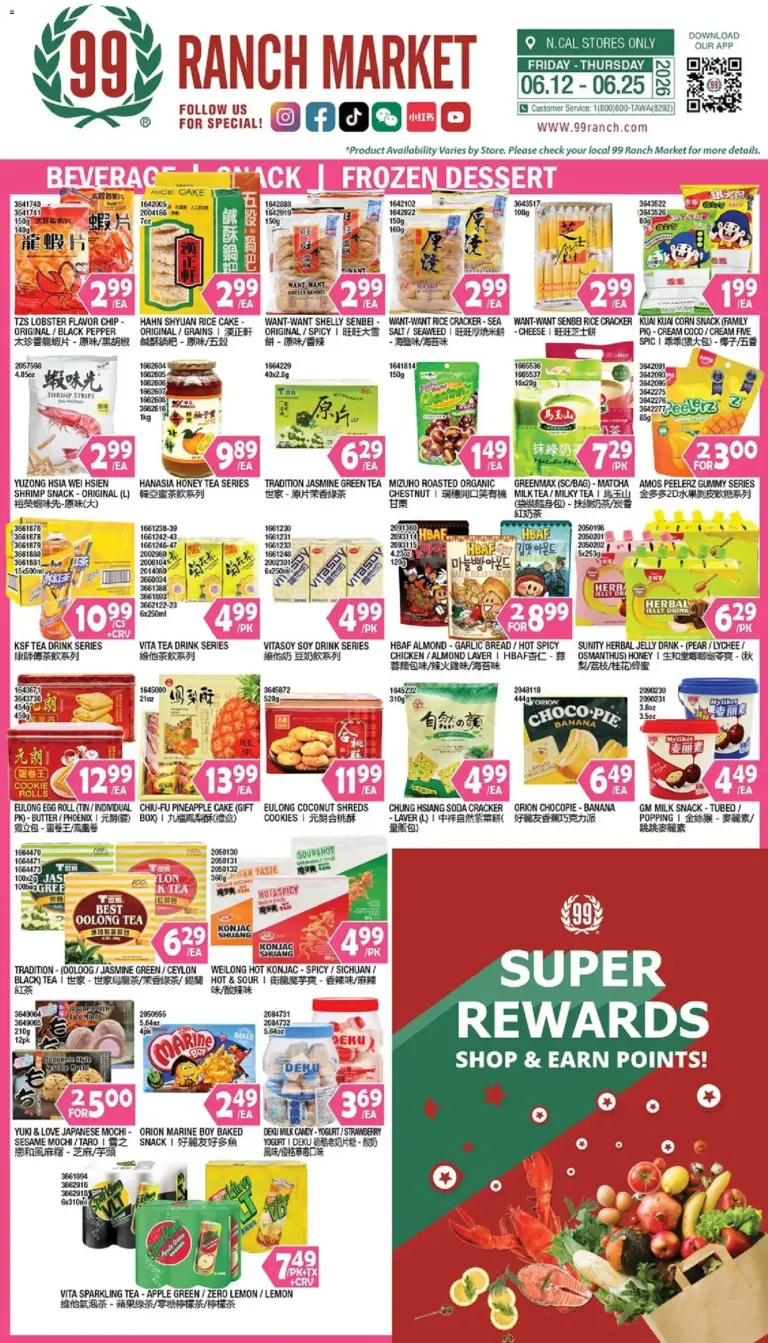
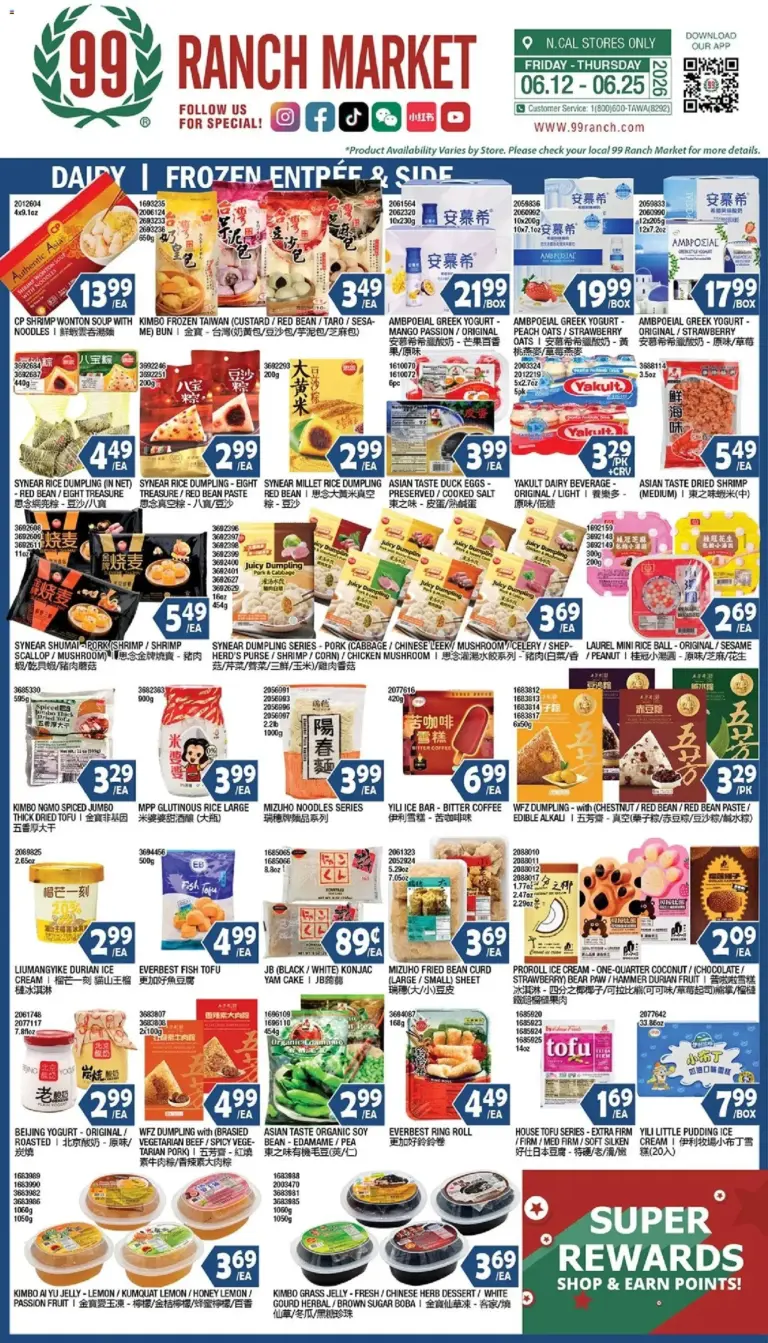
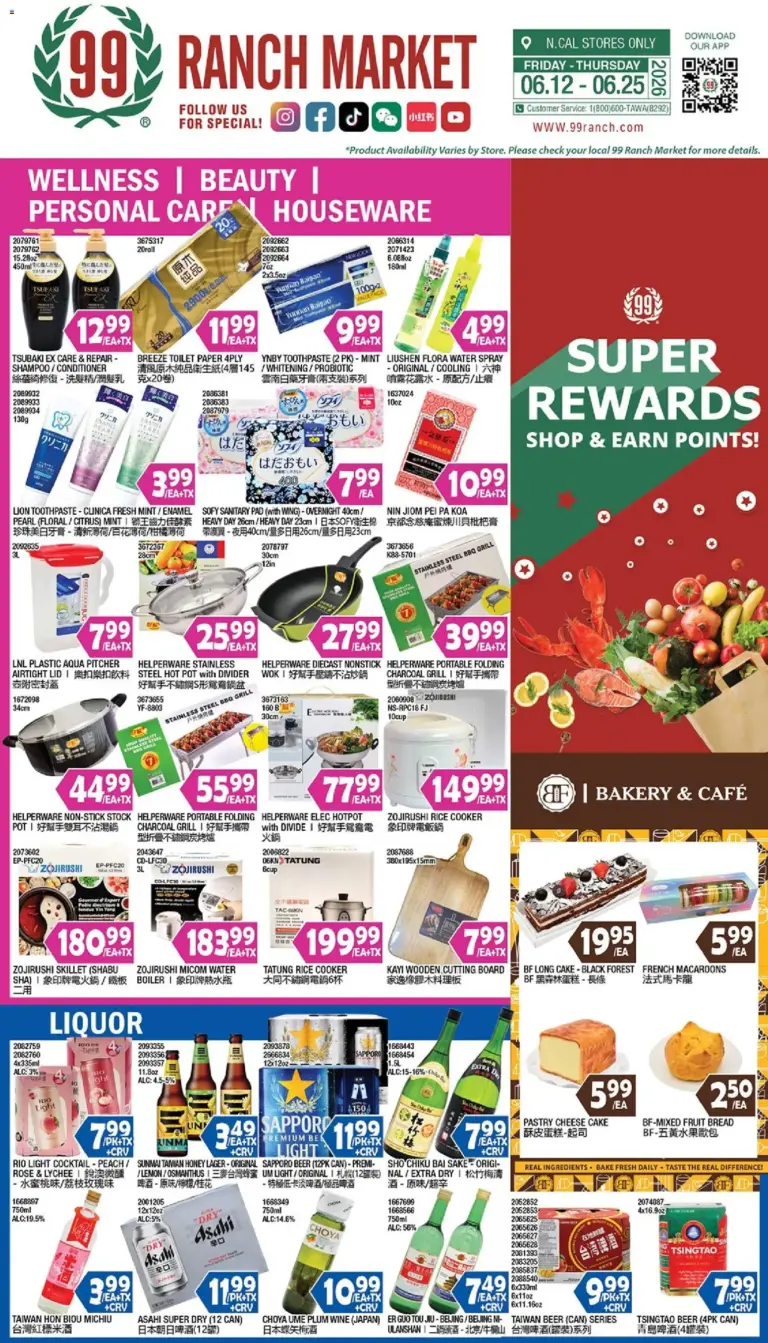
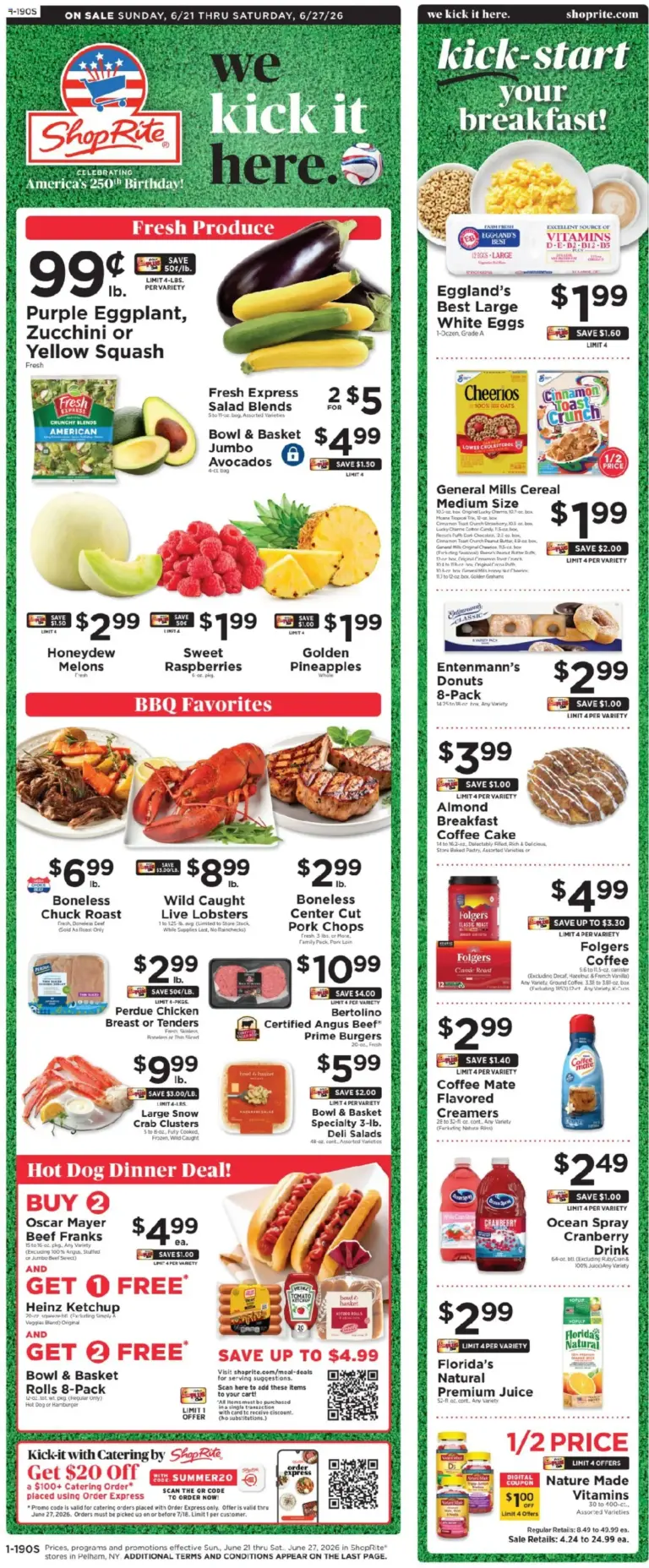
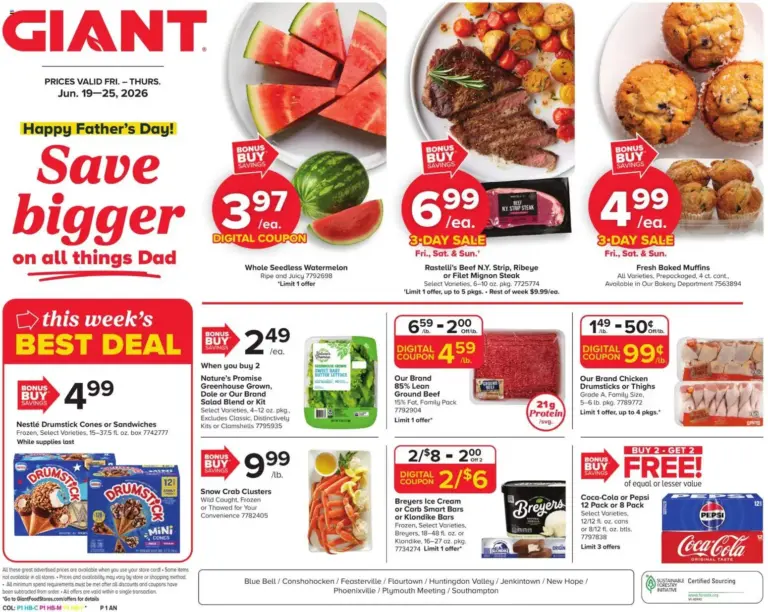
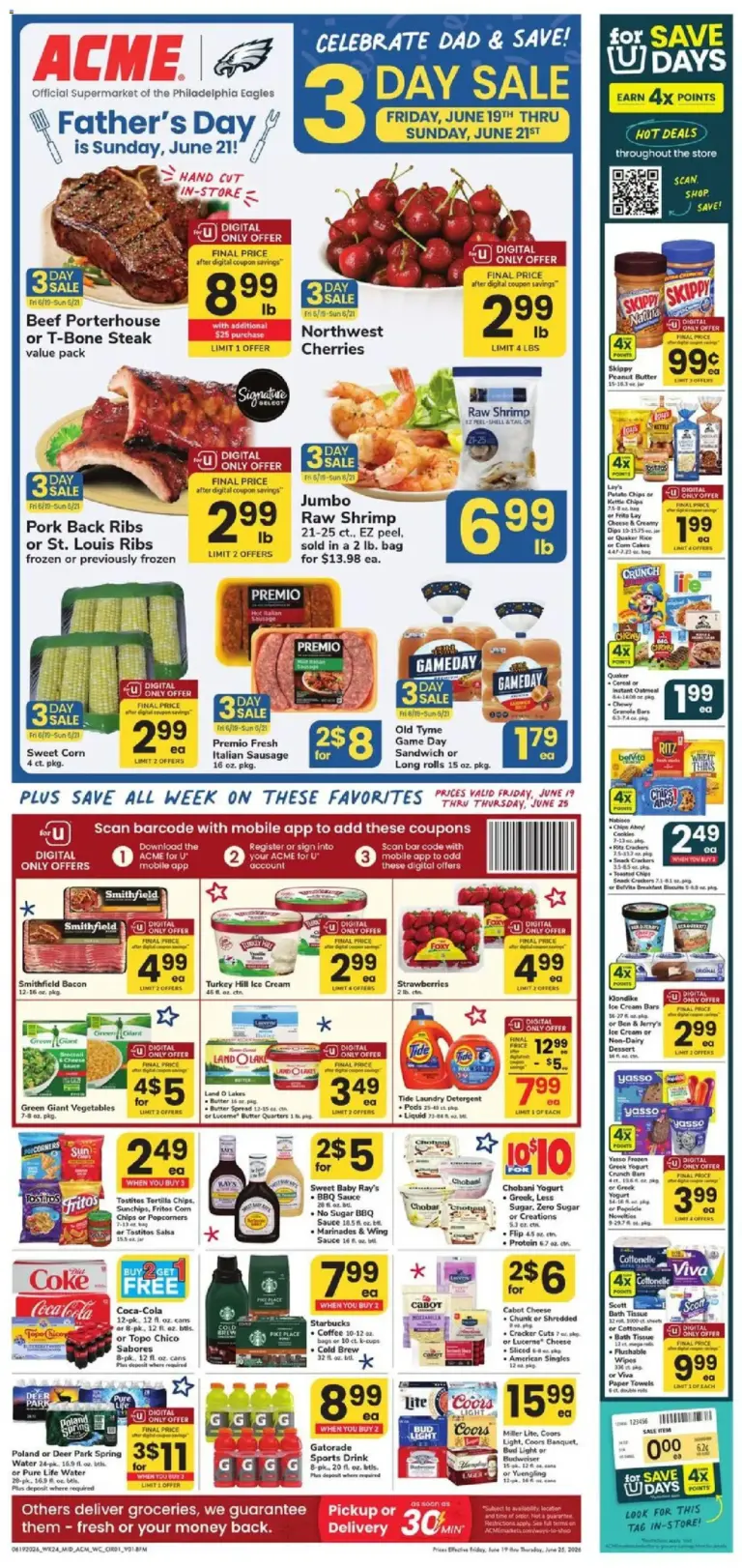
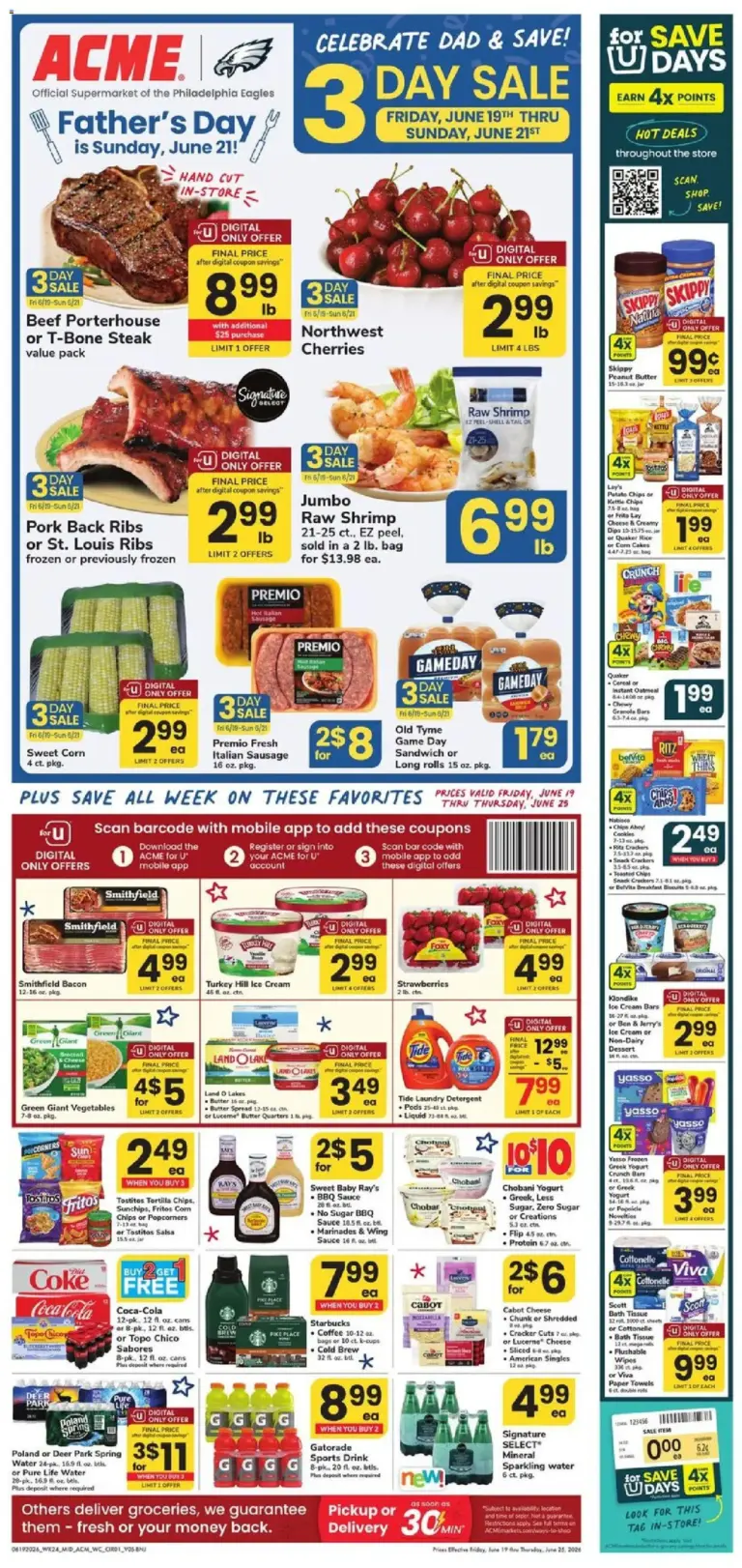
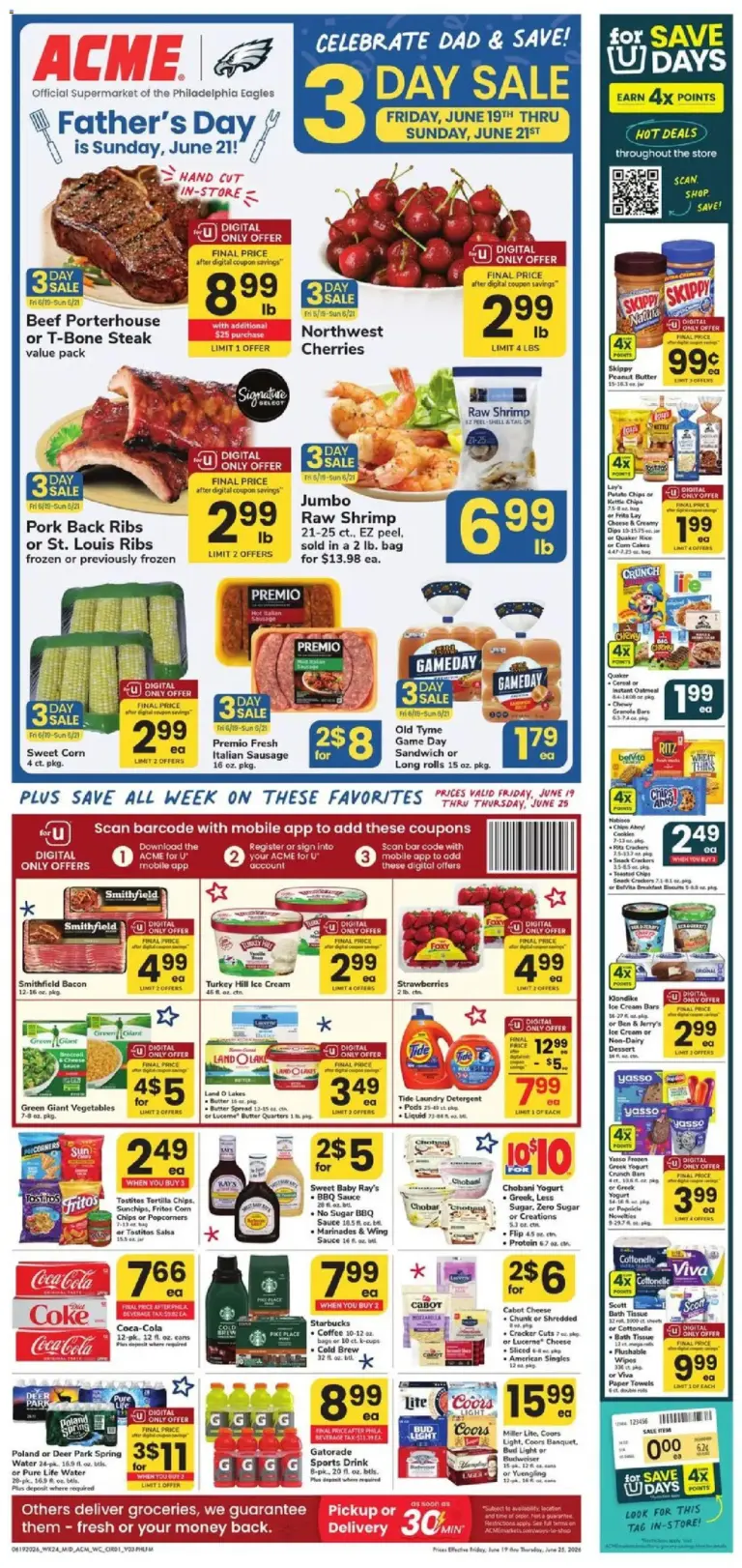
Start by reviewing current weekly ads and promotions. If chicken breast, ground beef, or fresh vegetables are heavily discounted this week, create your meal plan around those items.
This simple shift can dramatically reduce your grocery expenses over time.
Smart shoppers let sales determine their menu rather than allowing recipes to determine their purchases.
Stop Paying for Convenience
Convenience often comes with a hidden cost.
Pre-cut fruit, shredded cheese, prepared vegetables, and ready-to-cook meal kits may save time, but they usually cost significantly more than their basic alternatives.
For example, a whole pineapple is often much cheaper than a container of pre-cut pineapple chunks. The same principle applies to many grocery categories.
While convenience products can occasionally be worthwhile, relying on them regularly can quietly increase your monthly food budget.
Buy What You Actually Eat
Many people purchase products because they seem healthy, trendy, or popular.
Unfortunately, those items often sit unused until they expire.
A realistic grocery budget starts with honest shopping habits.
Instead of buying foods you think you should eat, focus on foods your household consistently consumes.
Reducing waste is one of the fastest ways to save money because every item thrown away represents money lost.
Learn the Sale Cycle
Most grocery stores rotate promotions on a predictable schedule.
Products that are on sale this month will often return to sale pricing several weeks later.
Experienced shoppers recognize these patterns and stock up when prices reach their lowest point.
Items that are ideal for stocking up include:
- Pasta
- Rice
- Cereal
- Coffee
- Frozen vegetables
- Canned goods
- Paper products
Buying extra during major promotions reduces the need to pay full price later.
Store Brands Have Changed
Many consumers still assume that store brands are lower quality than national brands.
In reality, private-label products have improved dramatically.
Today, many store-brand items offer nearly identical quality at a lower price.
Categories where store brands often provide excellent value include:
- Dairy products
- Bread
- Pantry staples
- Frozen foods
- Cleaning supplies
- Snacks
Testing a few alternatives can help determine where you can save money without noticing any difference in quality.
Avoid Shopping at Peak Hours
Crowded stores create distractions.
When shoppers feel rushed or frustrated, they are more likely to make unplanned purchases and overlook discounts.
Shopping during quieter hours provides several advantages:
- Better access to sale items
- More time to compare prices
- Shorter checkout lines
- Less stress
Many experienced shoppers prefer early mornings or weekday afternoons for this reason.
Use Technology to Your Advantage
Modern grocery shopping is increasingly digital.
Many supermarkets now offer:
- Mobile apps
- Digital coupons
- Personalized offers
- Rewards programs
- Cashback promotions
Spending just a few minutes reviewing available discounts before shopping can result in meaningful savings.
These tools are especially effective when combined with weekly advertisements and loyalty programs.
Focus on Cost Per Serving
The cheapest product isn’t always the best value.
Smart shoppers compare cost per serving rather than simply looking at the shelf price.
For example, a larger package may cost more upfront but provide a lower cost per meal.
Learning to compare value instead of price helps make better purchasing decisions over time.
Frequently Asked Questions
How much can a family realistically save on groceries?
Many households can reduce grocery expenses by 10% to 25% simply by improving shopping habits and taking advantage of weekly promotions.
Are weekly ads still worth checking?
Absolutely. Weekly ads remain one of the best sources for finding discounted products and planning cost-effective meals.
Is buying in bulk always cheaper?
Not necessarily. Bulk purchases only save money when products are used before they expire and when the unit price is lower.
What is the biggest grocery shopping mistake?
For many shoppers, impulse purchases are responsible for a significant portion of unnecessary spending.
Final Thoughts
Saving money on groceries doesn’t mean eating less or settling for lower-quality food. The most effective strategy is learning how grocery stores operate and making purchasing decisions with intention.
By planning meals around weekly deals, reducing food waste, using loyalty programs, and avoiding unnecessary convenience purchases, you can lower your grocery bill while continuing to buy the foods your family enjoys.
Small improvements made consistently throughout the year can add up to hundreds or even thousands of dollars in savings.