
Every week, millions of Americans browse grocery ads looking for ways to save money. However, most shoppers only glance at the front page, notice a few discounted products, and head to the store.
Experienced bargain hunters take a different approach.
They understand that weekly grocery ads are more than just advertisements. They are powerful tools that reveal where the best savings opportunities are hiding. Learning how to read these ads properly can help you reduce your grocery budget, avoid unnecessary purchases, and make smarter shopping decisions.
If you’ve ever wondered how some shoppers consistently leave the store with bigger savings, this guide will show you exactly how they do it.
What Is a Weekly Grocery Ad?
A weekly grocery ad is a promotional flyer released by supermarkets to highlight special offers available for a limited time.
Most ads include:
- Discounted produce
- Meat and seafood specials
- Dairy promotions
- Pantry staples
- Frozen foods
- Household products
- Buy One Get One (BOGO) deals
These promotions usually last for one week, although exact dates vary by retailer.
The purpose of the ad is simple: attract customers into the store.
For shoppers, however, the ad provides valuable information about where the biggest savings can be found.
Start With the Front Page

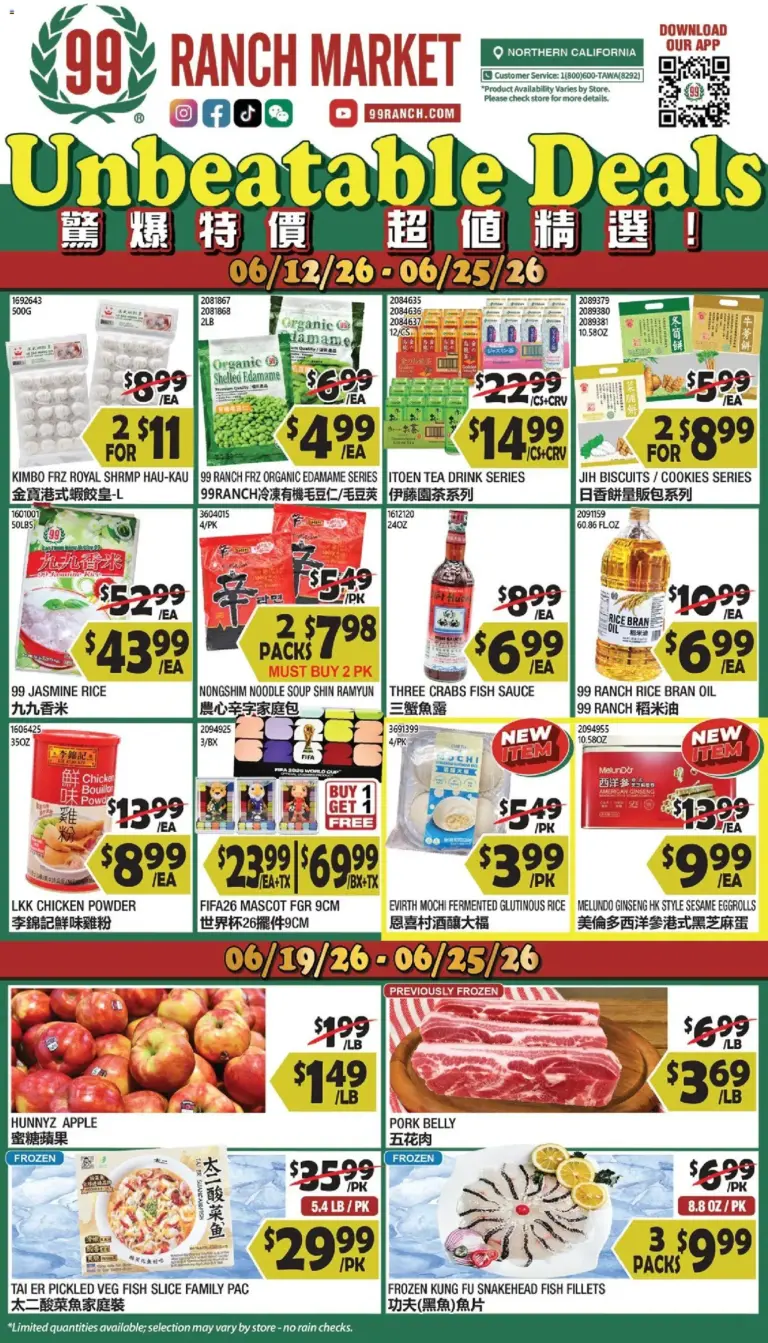
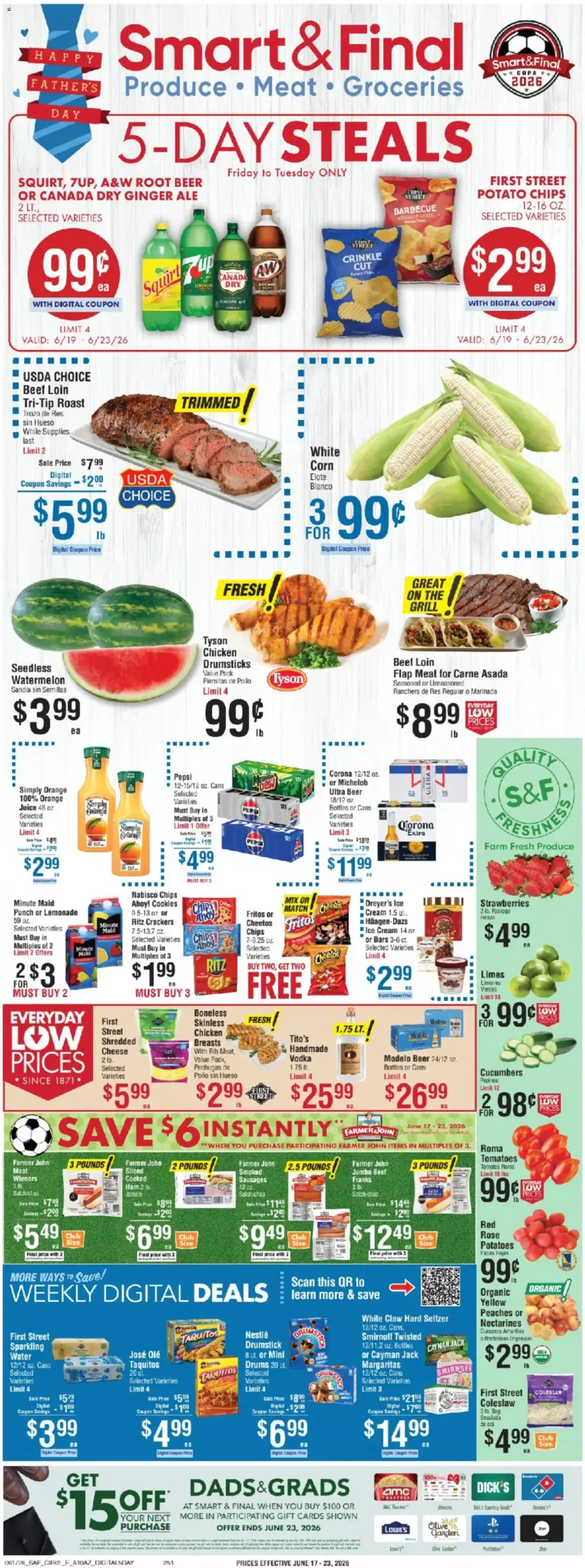
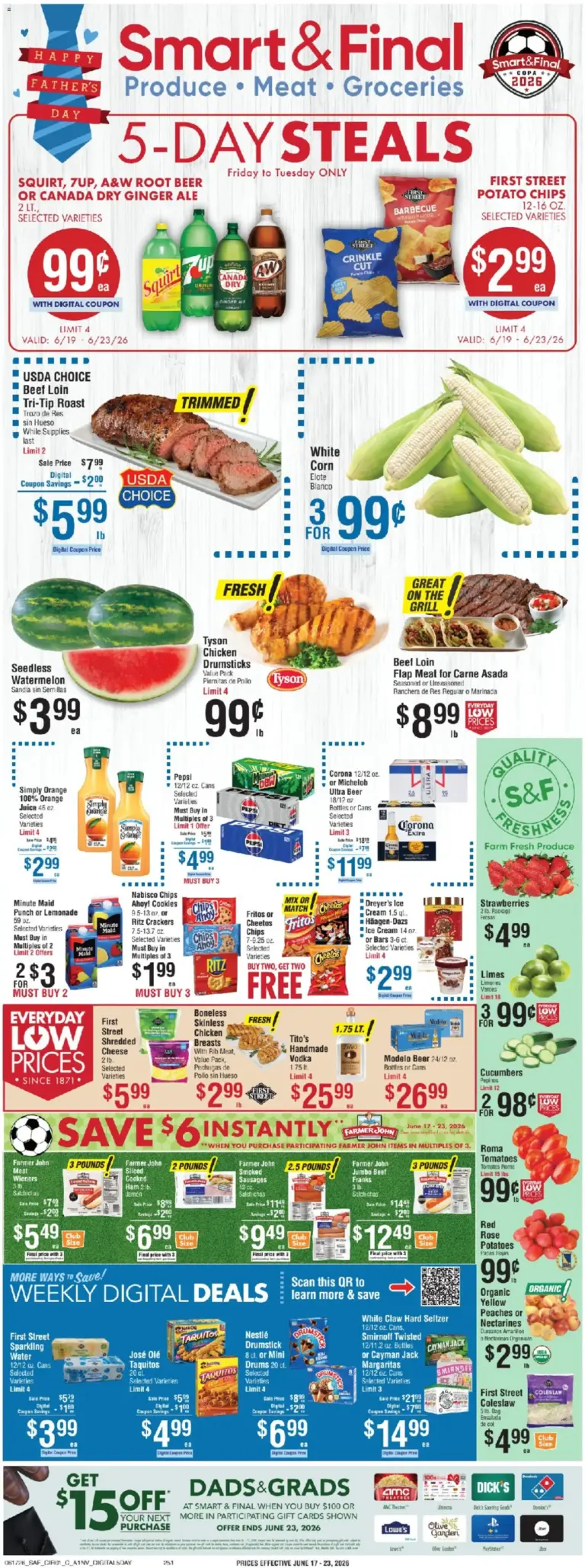
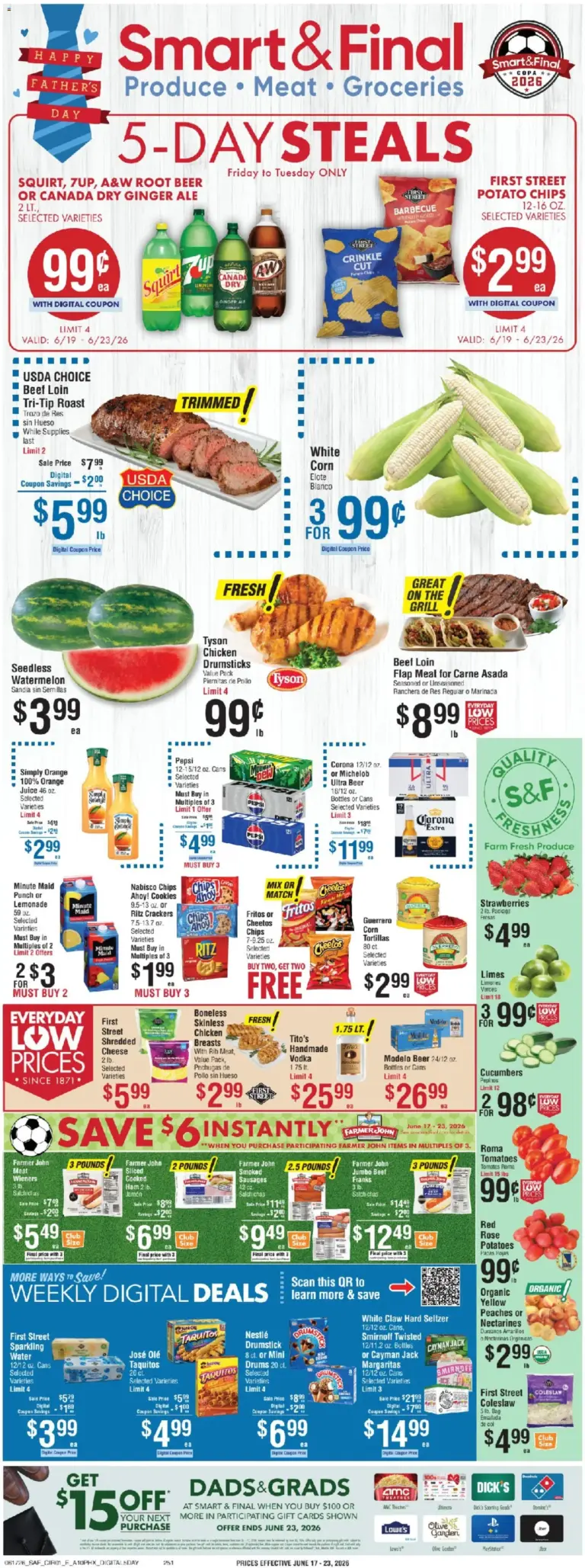
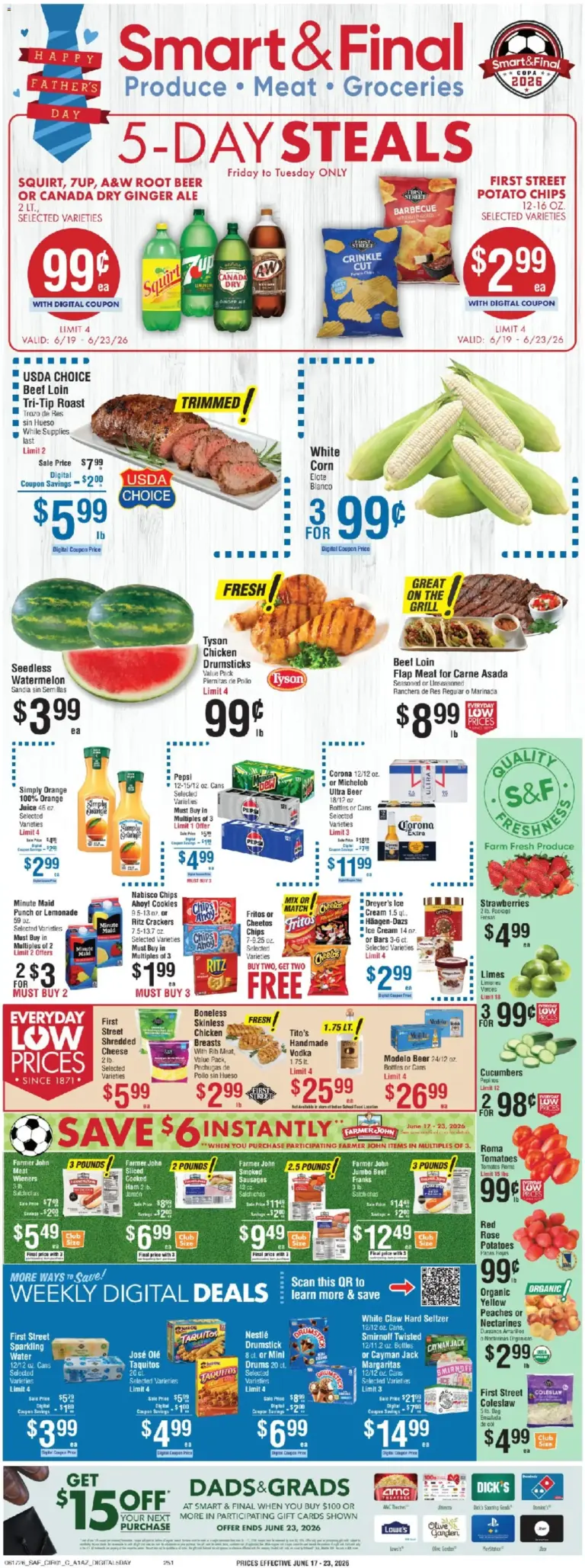
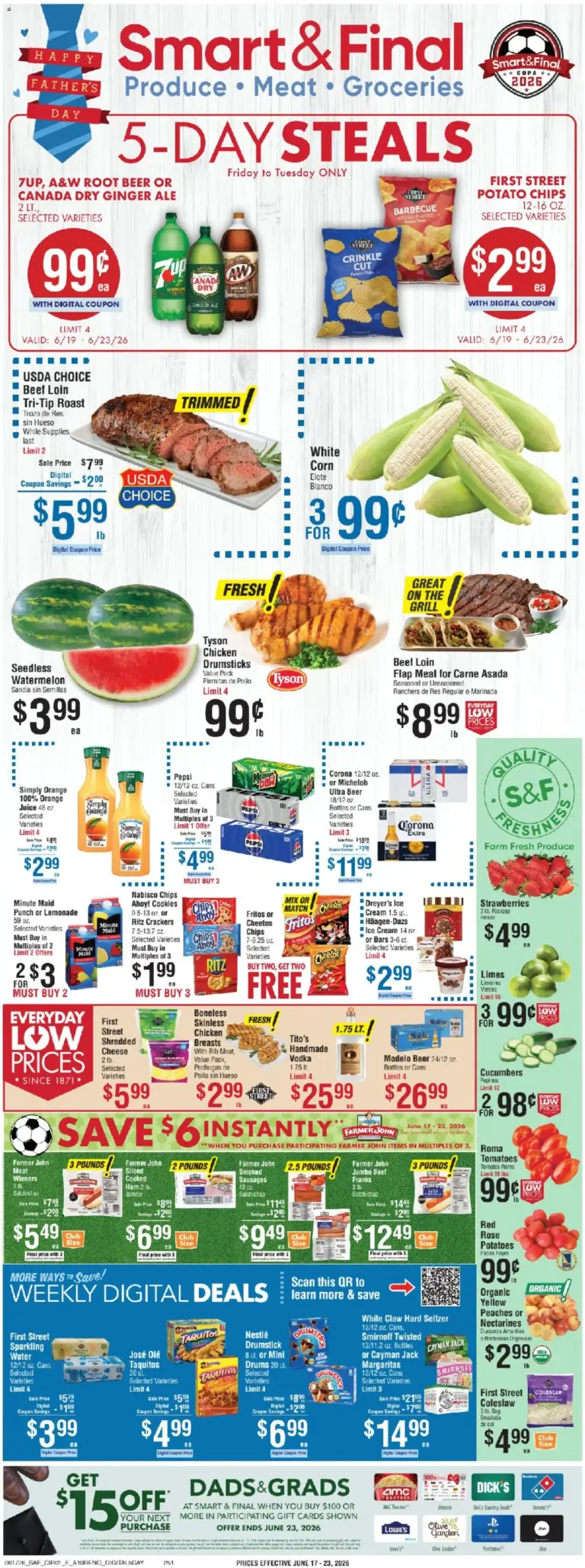
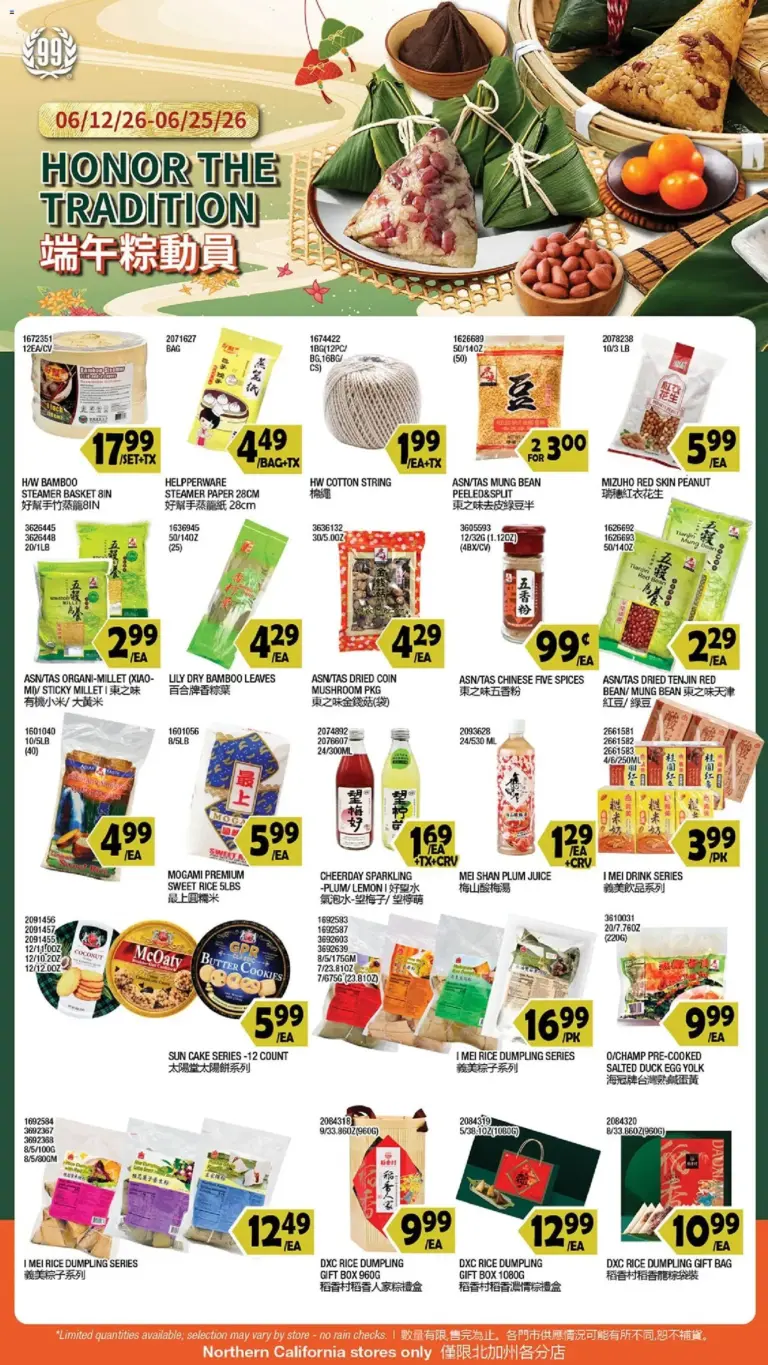

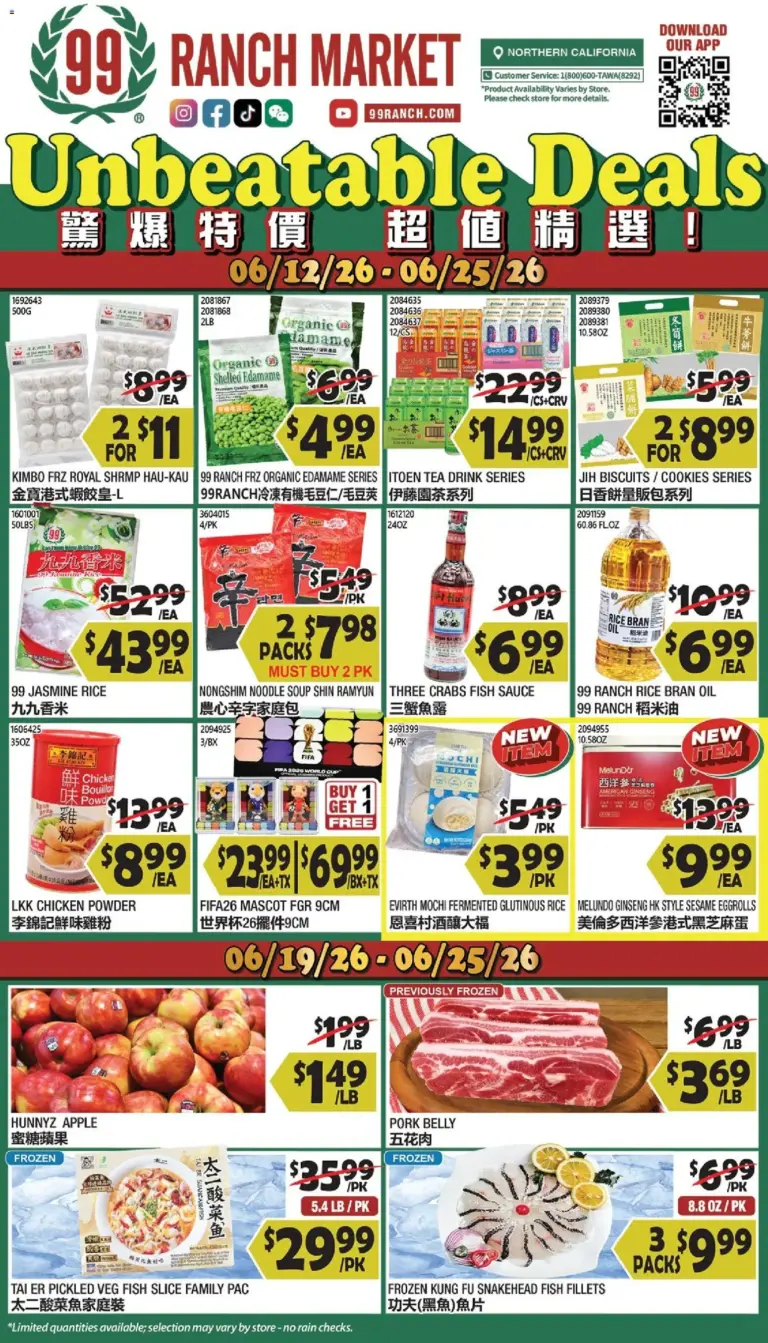
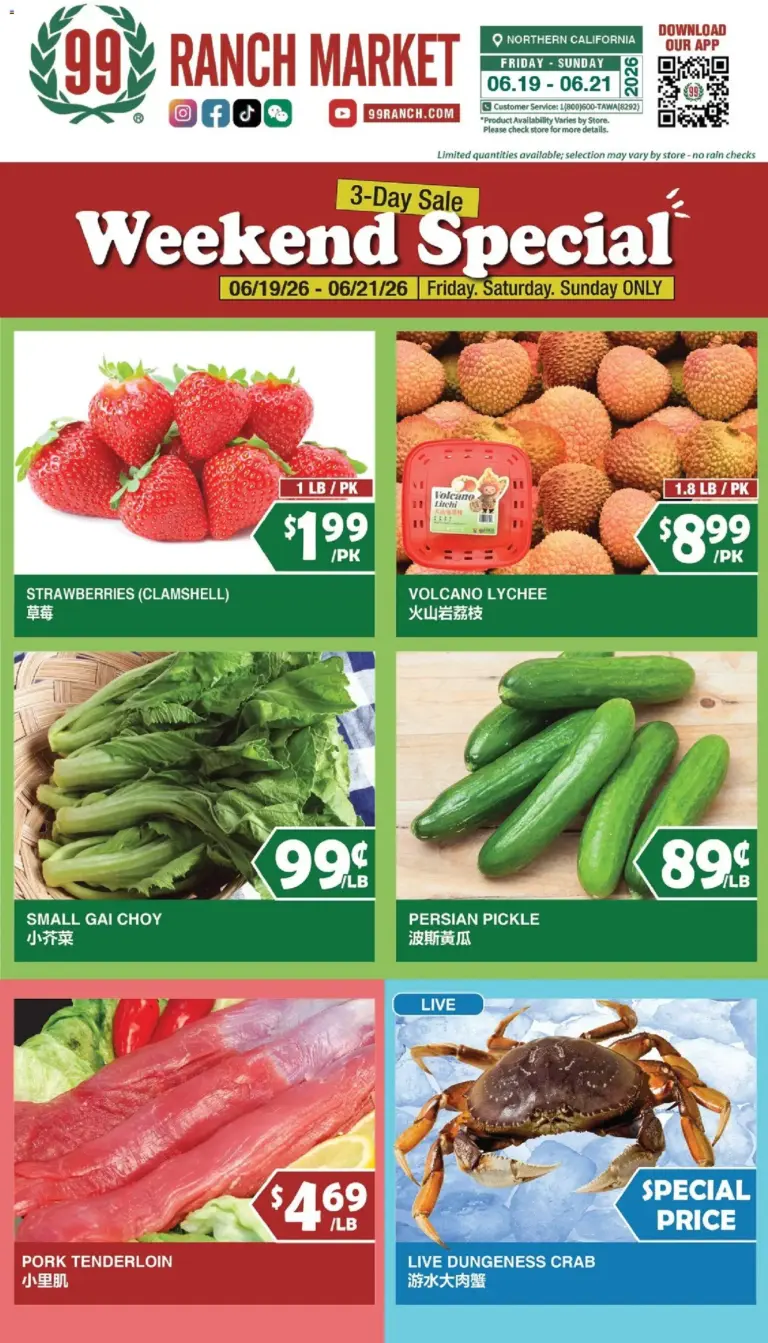
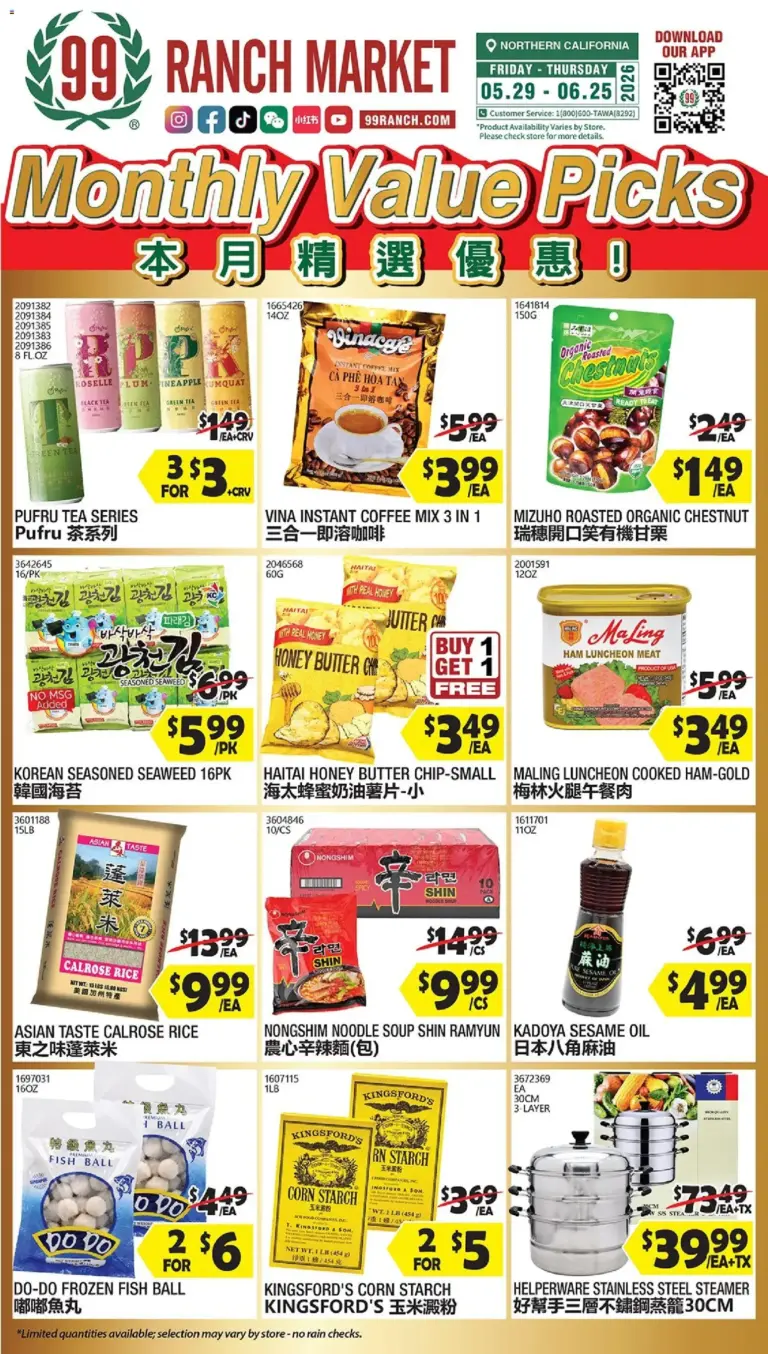
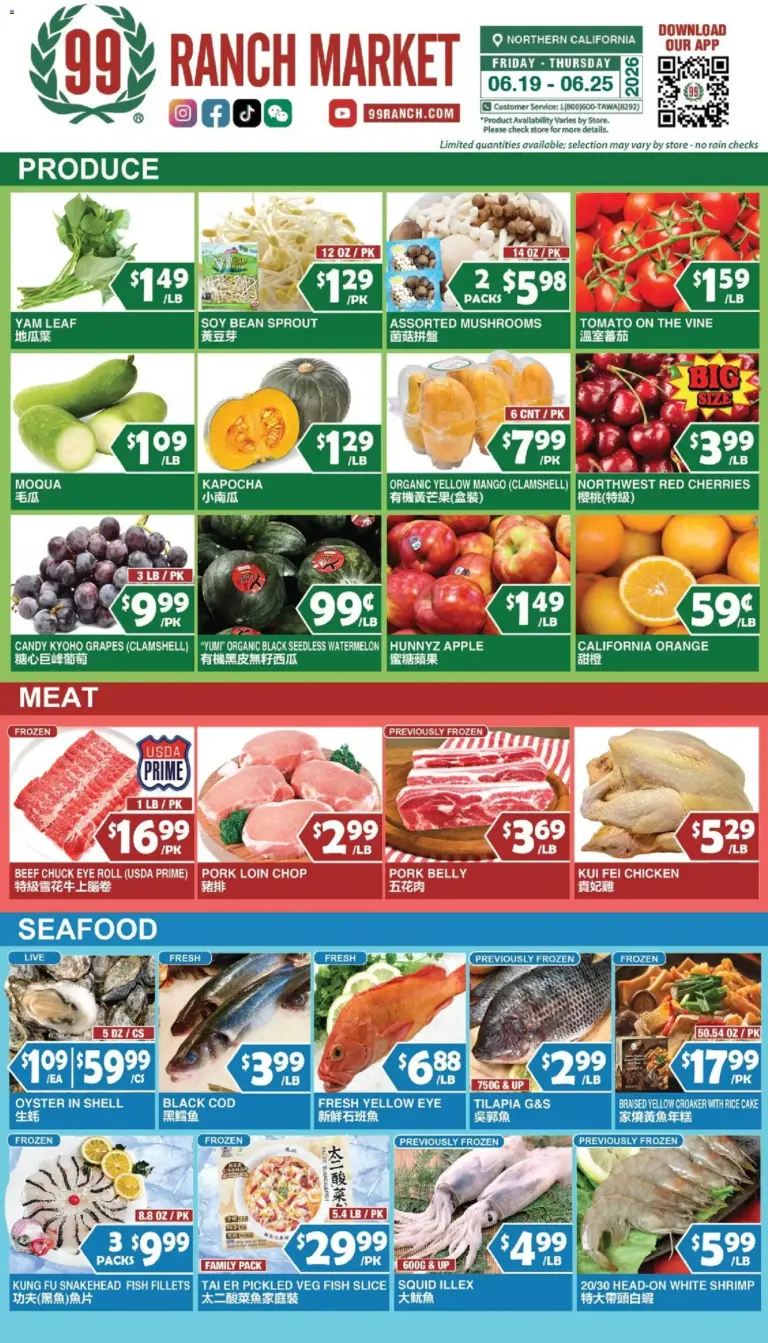
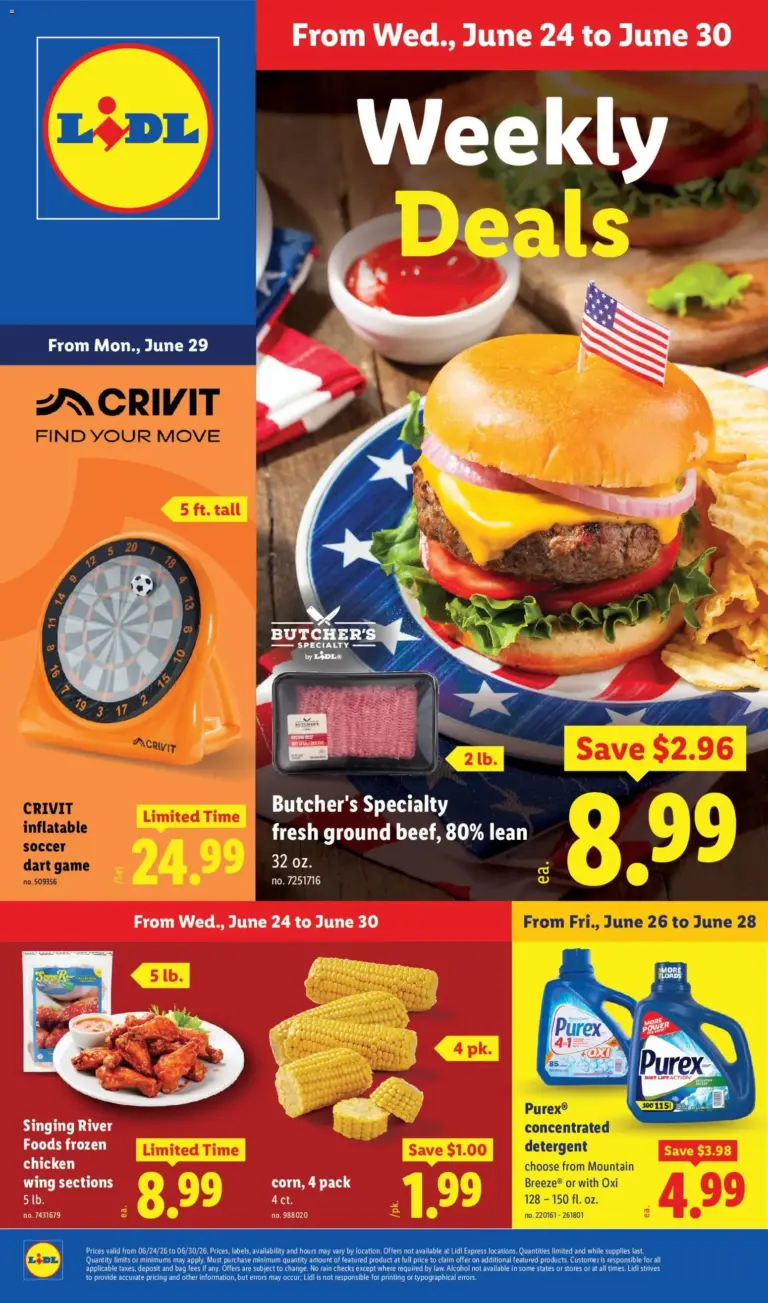
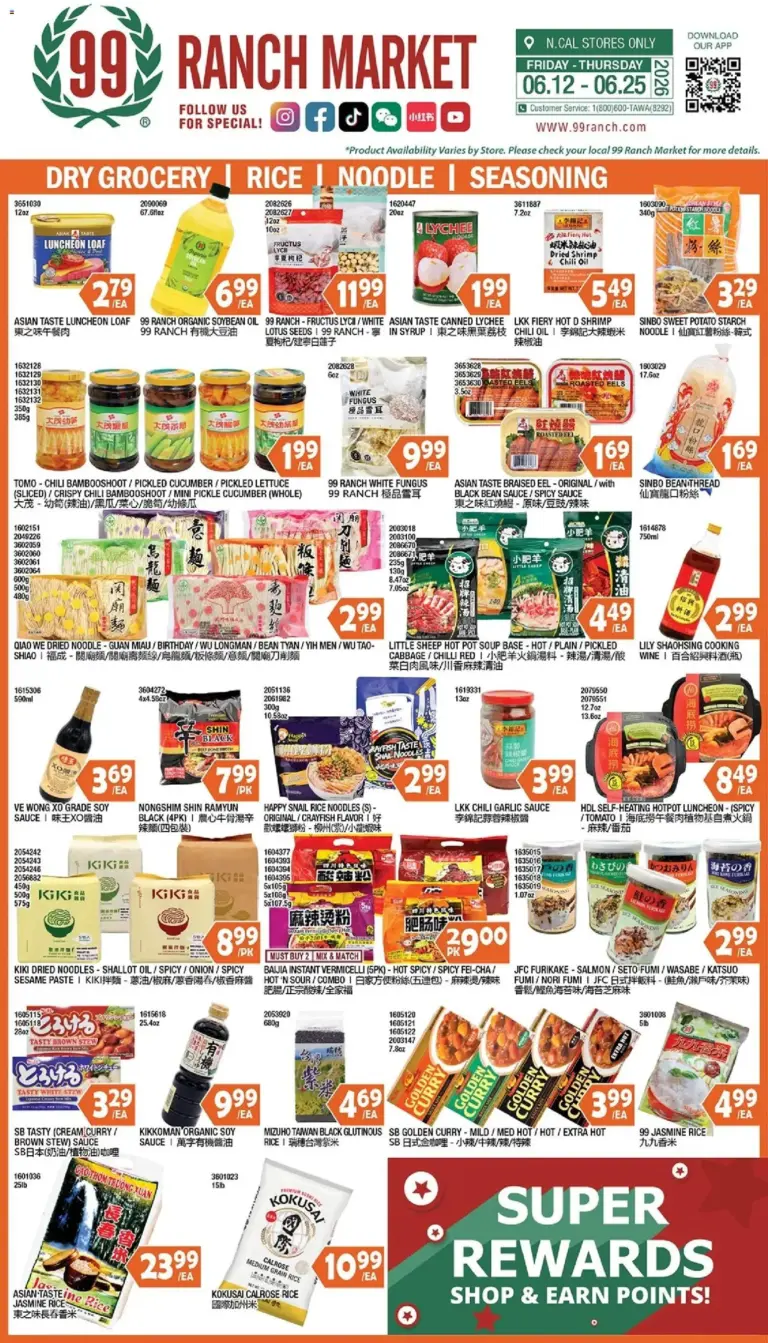
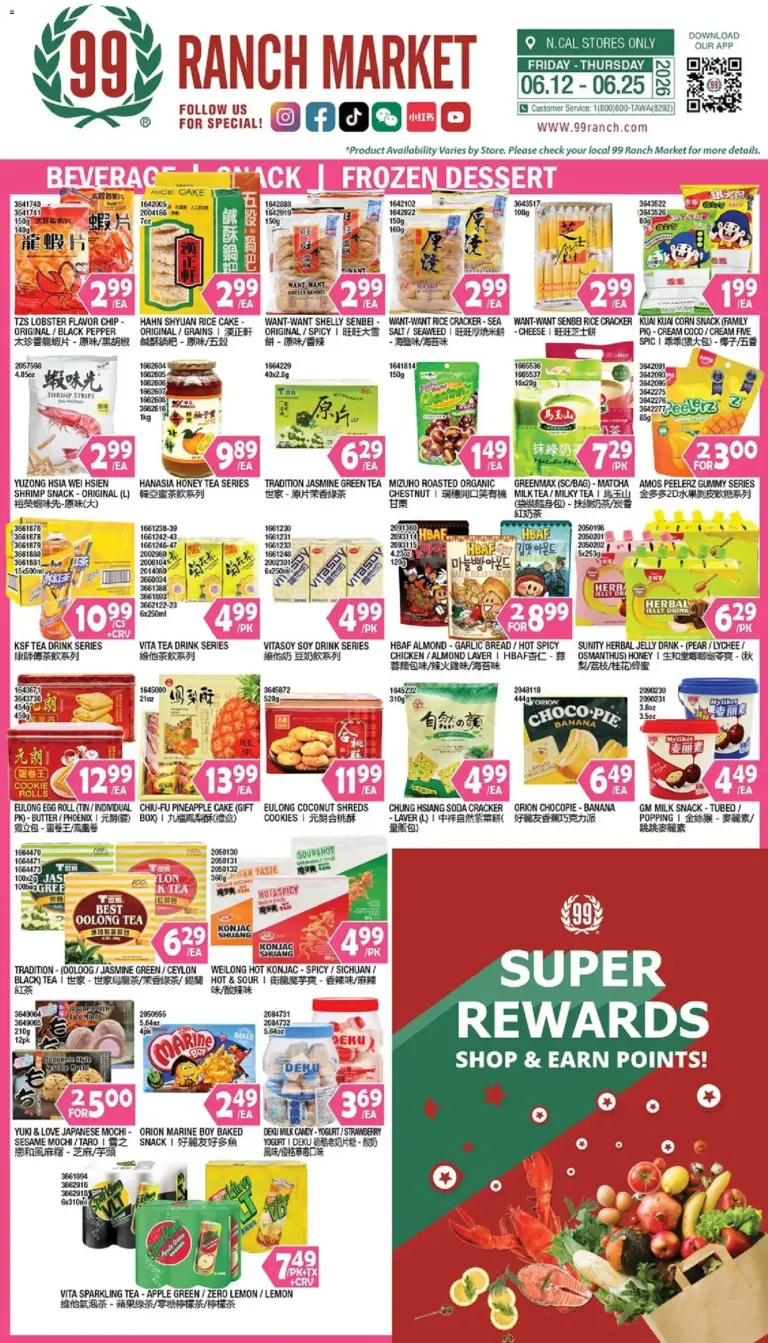
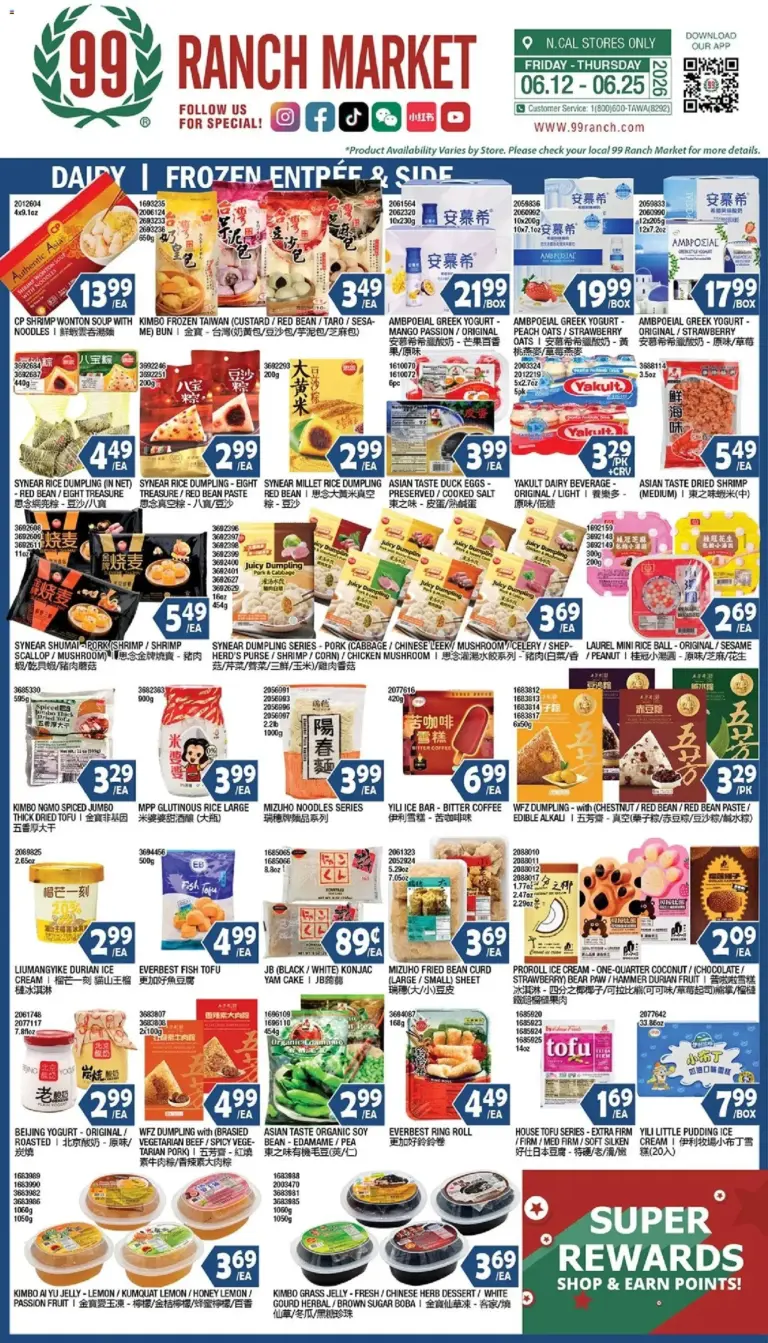
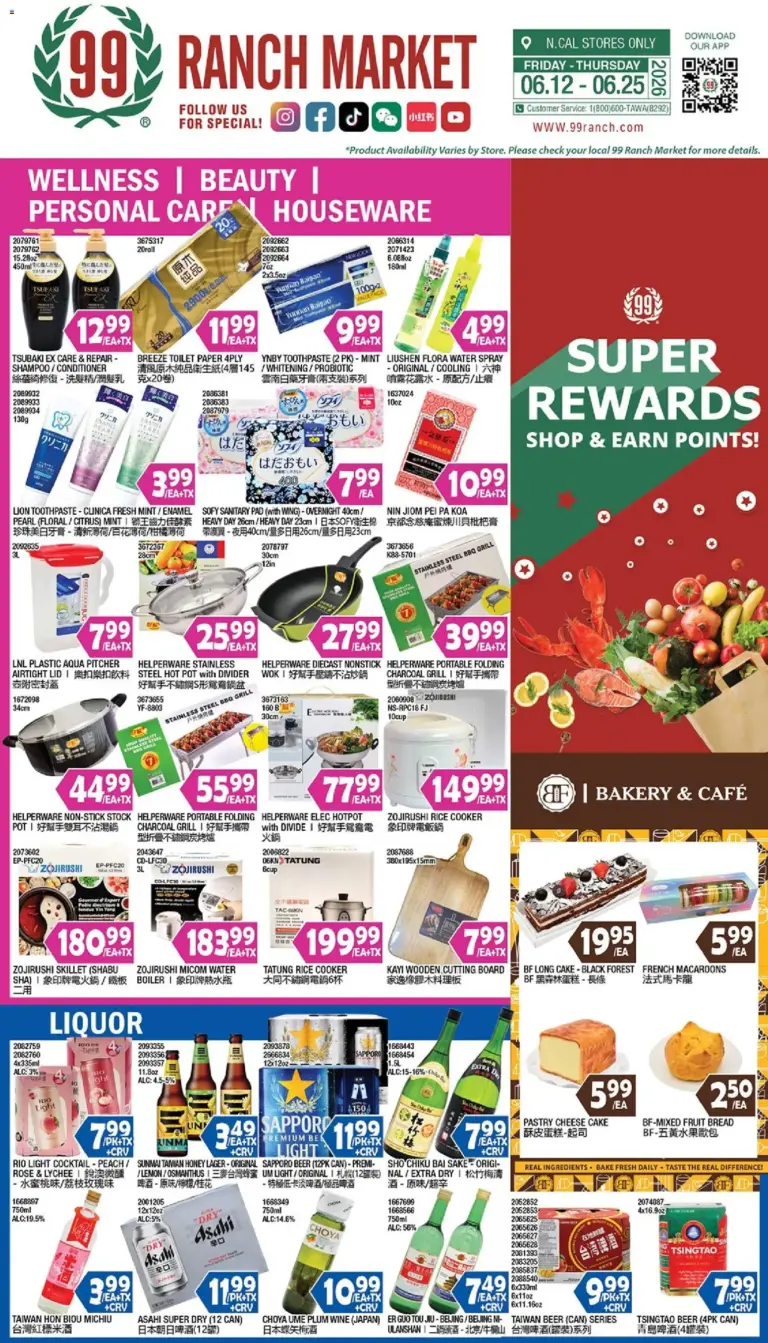

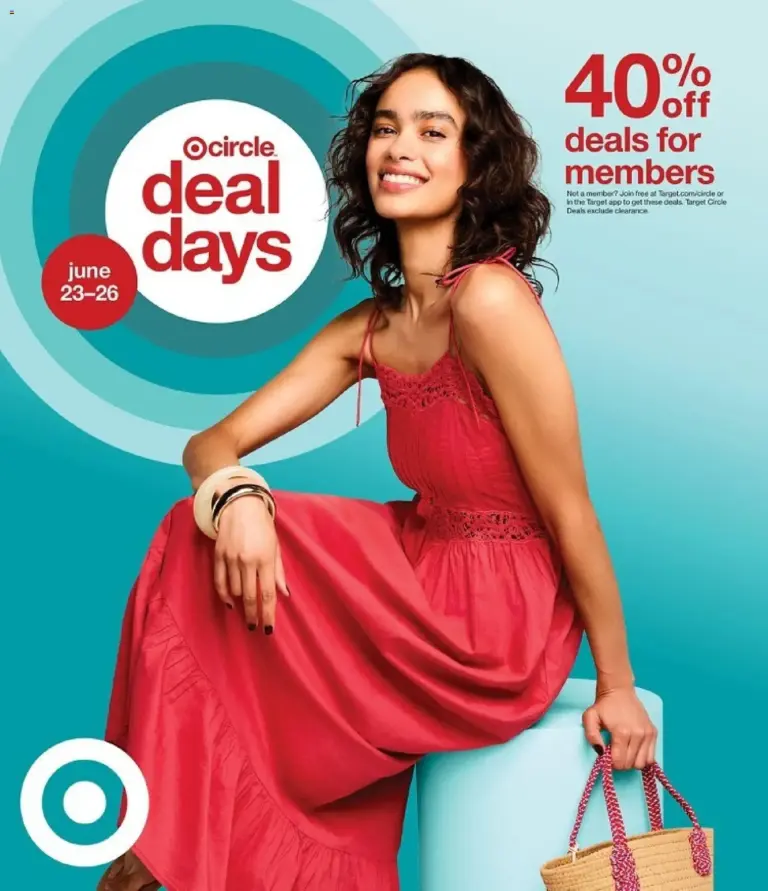
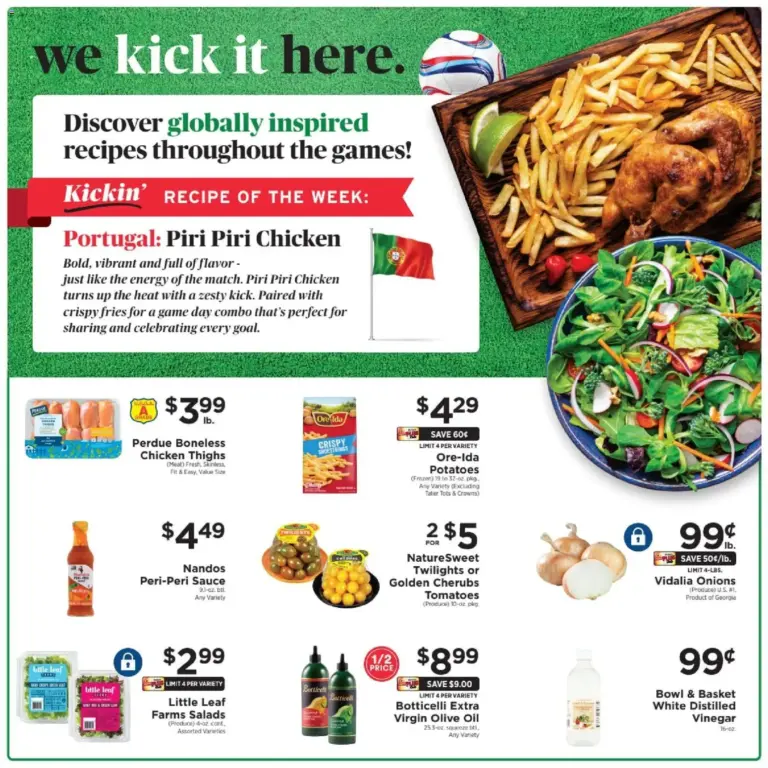
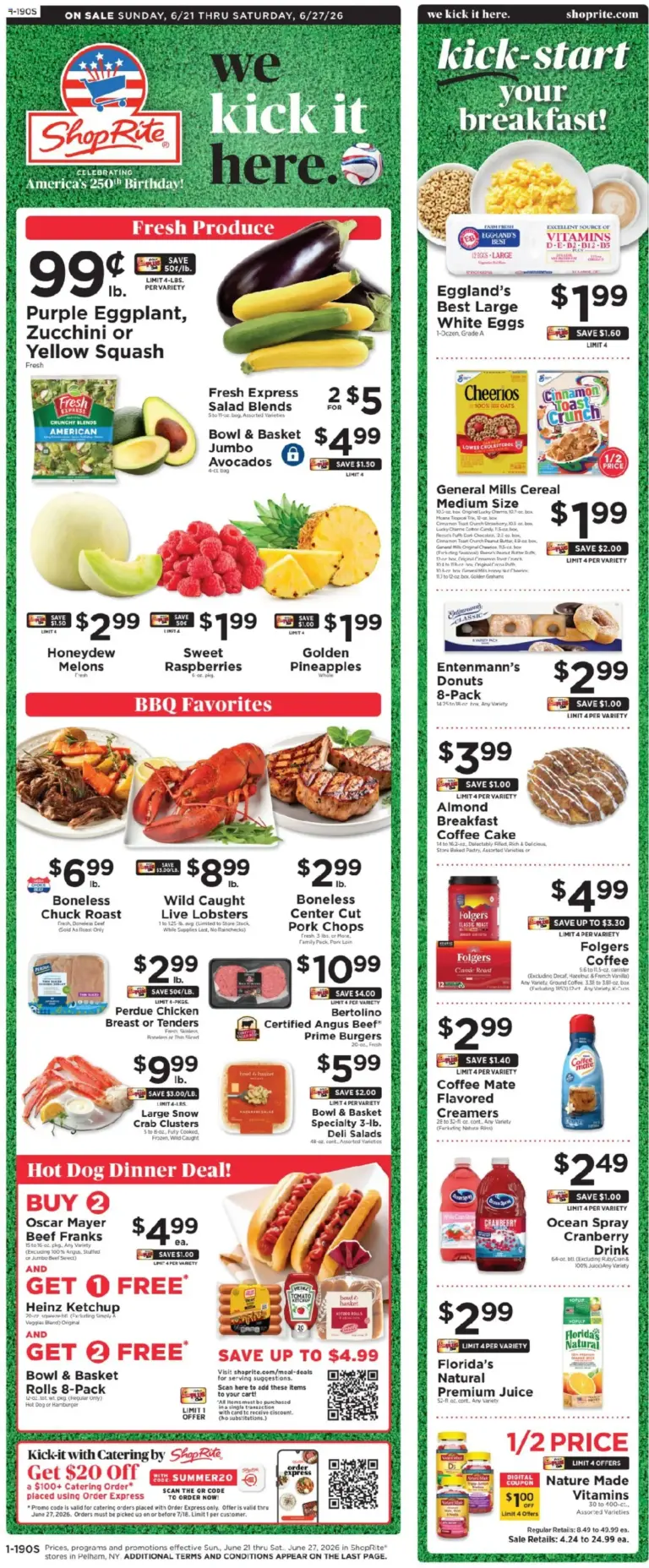
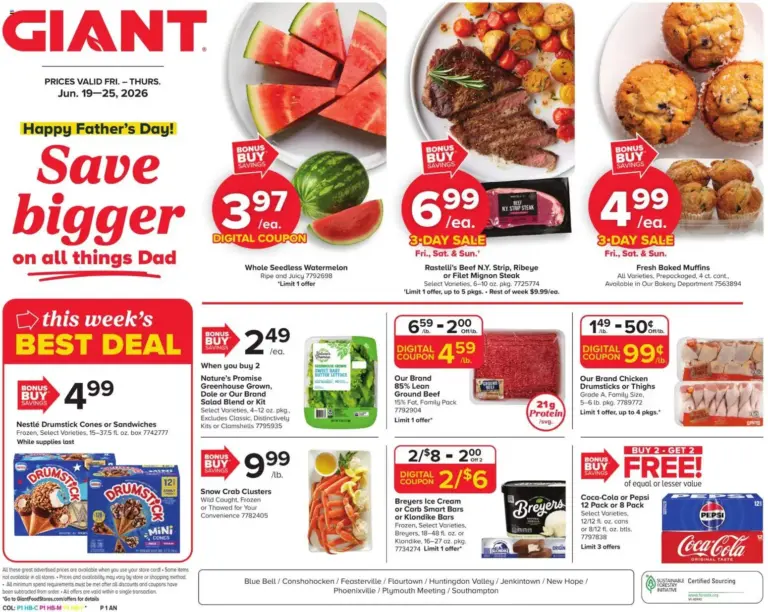
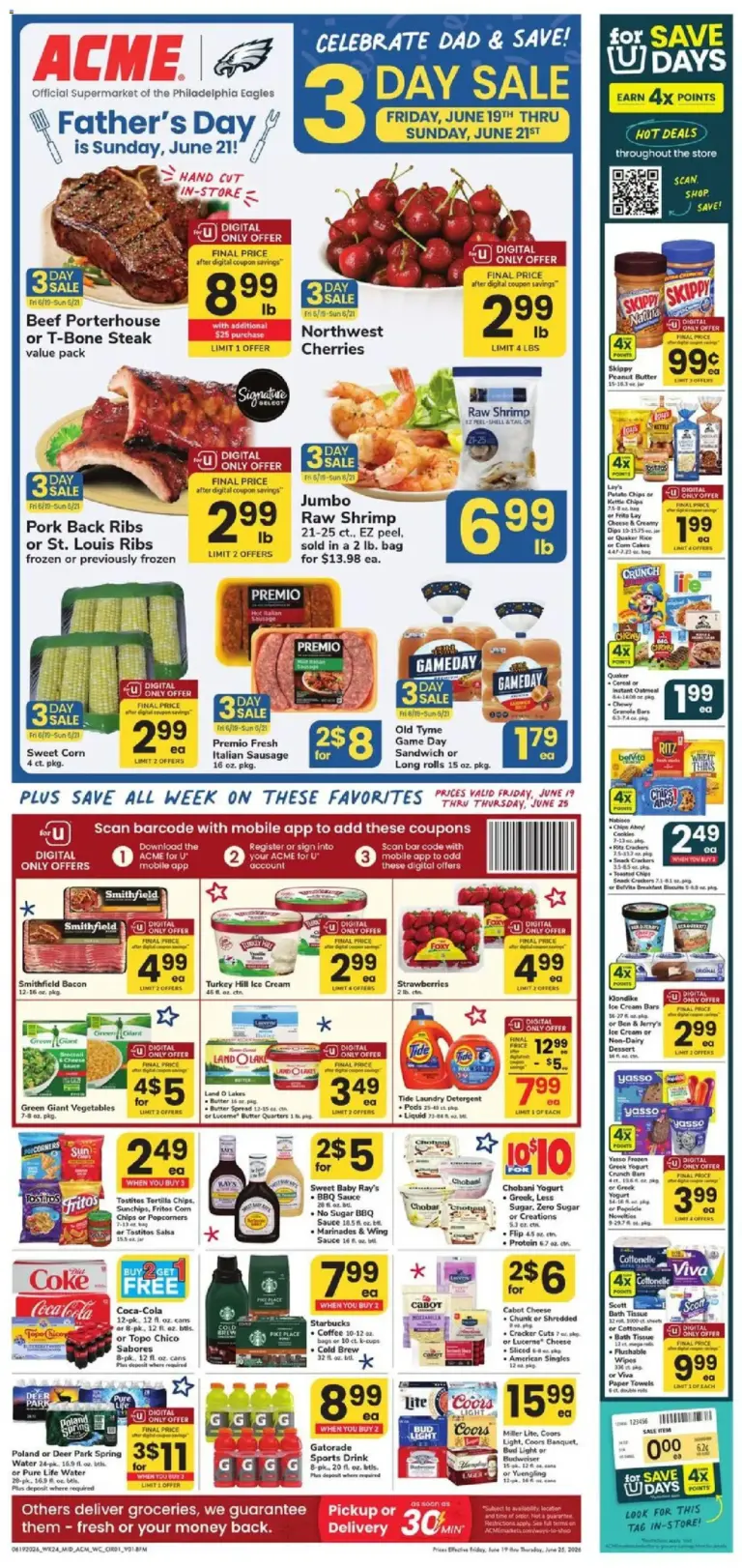
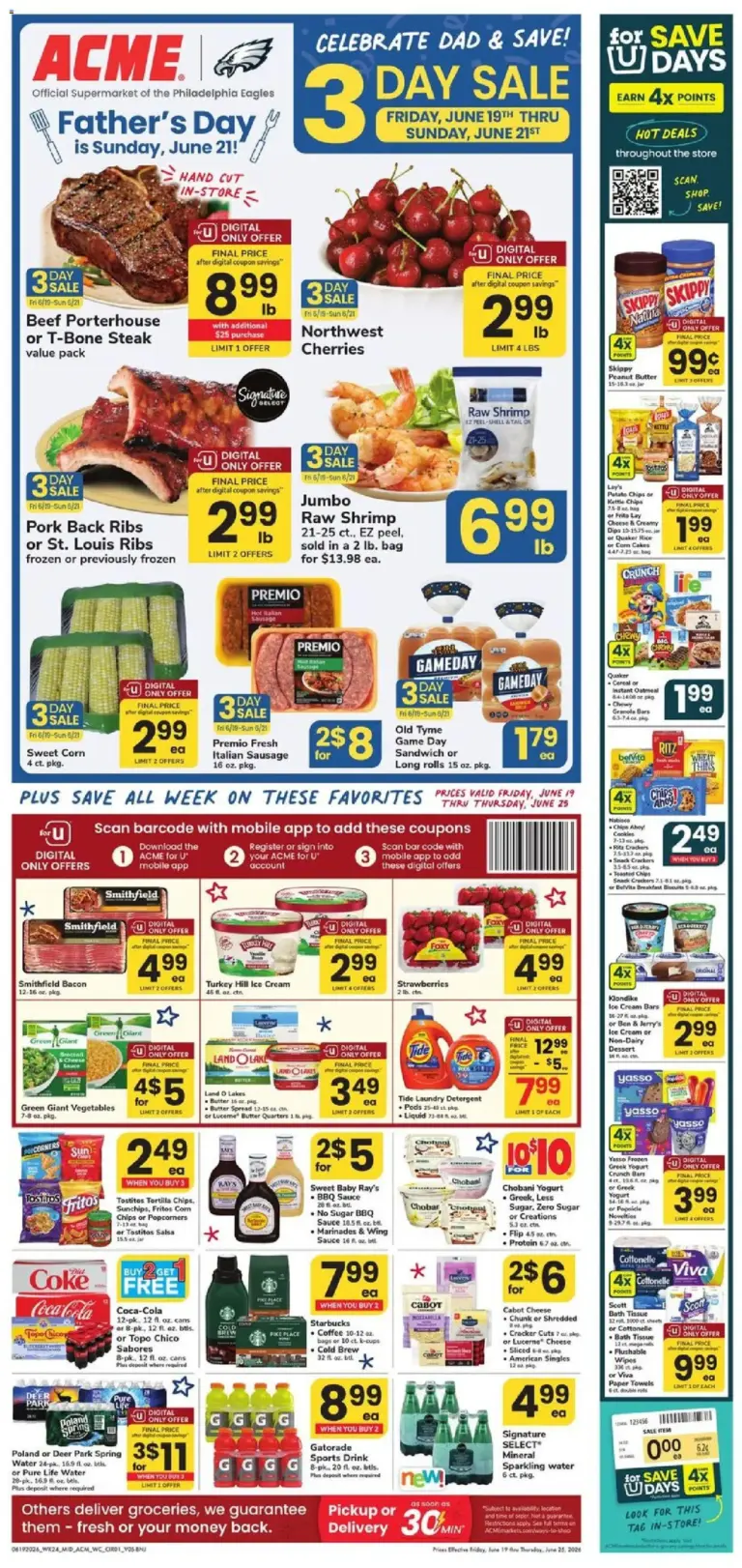
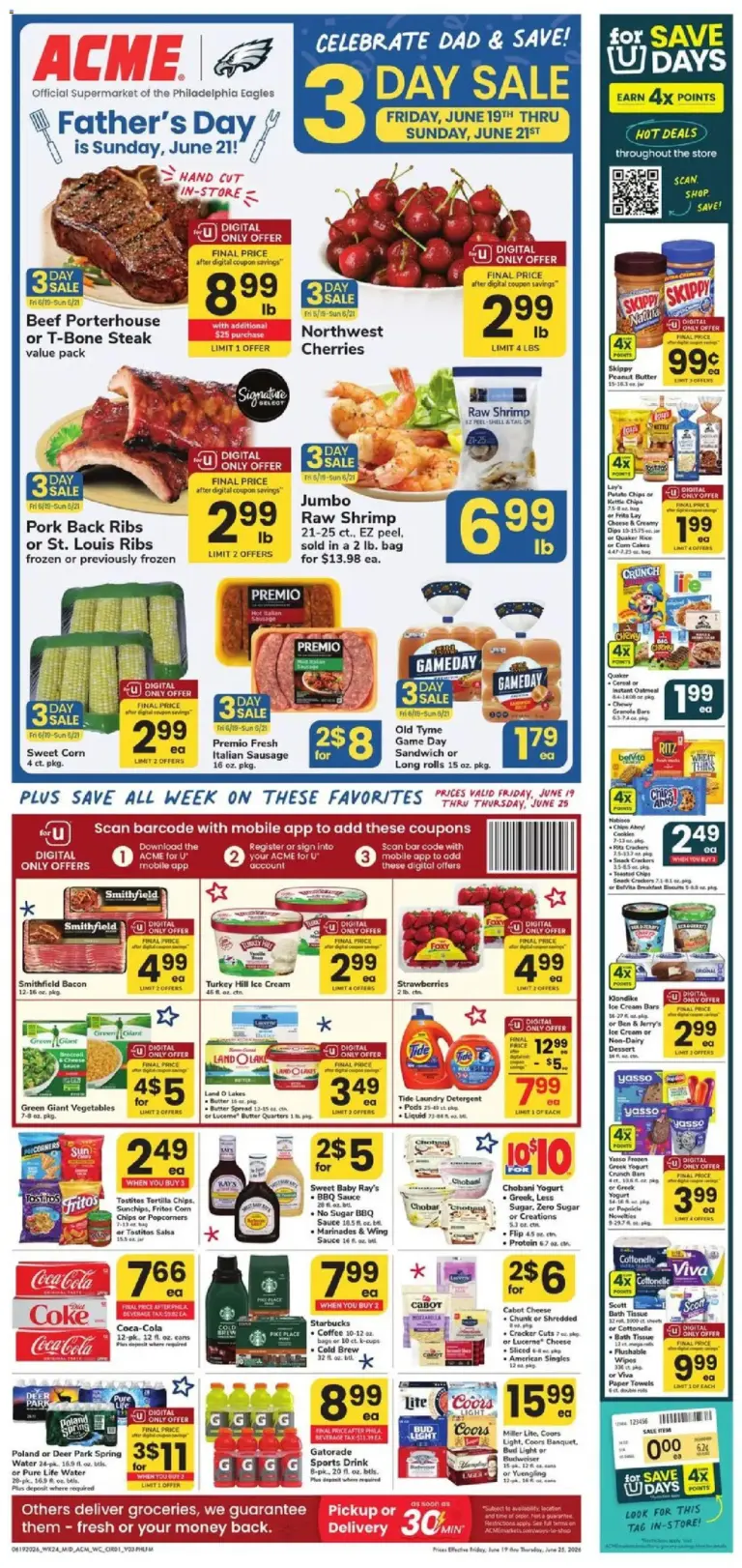
The front page often contains the store’s most attractive promotions.
These are known as “loss leaders” — products sold at very low prices to encourage customers to visit the store.
Examples might include:
- Chicken breast
- Ground beef
- Strawberries
- Milk
- Eggs
Stores know that customers pay attention to these everyday essentials.
When you see unusually low prices on staple products, it’s often worth planning your meals around them.
Don’t Ignore the Small Print
Many shoppers focus only on the large numbers and colorful graphics.
The small print often contains important information such as:
- Purchase limits
- Membership requirements
- Promotion dates
- Product restrictions
For example, a sale price may only apply if you purchase multiple items or use a loyalty account.
Reading the details helps avoid surprises at checkout.
Look for Seasonal Products
One of the easiest ways to identify the best values is by finding seasonal items.
When products are in season, supply is usually higher and prices tend to be lower.
Examples include:
Spring
- Lettuce
- Strawberries
- Asparagus
Summer
- Watermelon
- Corn
- Peaches
Fall
- Apples
- Pumpkins
- Sweet potatoes
Winter
- Oranges
- Grapefruit
- Cabbage
Seasonal products are often featured prominently in weekly ads because they provide excellent value for shoppers.
Compare Unit Prices
A sale doesn’t automatically mean you’re getting the best deal.
Smart shoppers compare unit prices whenever possible.
For example:
- Price per ounce
- Price per pound
- Price per gallon
A larger package may sometimes offer better value than a sale item.
Learning to compare unit prices can prevent costly mistakes.
Understand Buy One Get One Offers
BOGO promotions are among the most popular deals found in weekly ads.
However, not all BOGO deals are equal.
Ask yourself:
- Do I actually need two?
- Will the product expire?
- Is the regular price inflated?
The best BOGO offers are on products your household regularly uses.
Otherwise, the savings may be more psychological than practical.
Create a Shopping List Based on Sales
One of the biggest advantages of reviewing weekly ads before shopping is the ability to build your list around discounted items.
Instead of deciding on meals first, consider reversing the process.
For example:
If chicken, broccoli, and rice are on sale, create meals that use those ingredients.
This approach helps maximize savings while reducing food waste.
Combine Weekly Ads With Digital Coupons
Many grocery stores now offer digital coupons through their websites and mobile apps.
Combining:
- Weekly sales
- Digital coupons
- Loyalty discounts
can produce significant savings.
A product that appears moderately discounted in the ad may become an outstanding deal after additional coupons are applied.
Watch for Marketing Tricks
Not every item featured in a weekly ad is a great value.
Stores sometimes highlight products simply because they are popular.
Before purchasing, consider:
- Historical prices
- Competing store promotions
- Alternative brands
The goal is to identify genuine bargains rather than assuming every advertised product is discounted heavily.
Build a Deal-Based Pantry
Professional bargain shoppers often maintain a pantry built around previous sales.
When products reach exceptionally low prices, they buy enough to last until the next promotion.
Good stock-up items include:
- Pasta
- Rice
- Canned vegetables
- Coffee
- Peanut butter
- Frozen foods
- Cleaning supplies
This strategy reduces the need to purchase items at full price later.
Frequently Asked Questions
How often do grocery ads change?
Most supermarkets release new ads every week, although exact schedules vary by retailer.
Are weekly ads worth checking?
Yes. They remain one of the simplest and most effective ways to find discounts on groceries and household essentials.
What products usually offer the biggest savings?
Meat, produce, pantry staples, and seasonal products often provide the best opportunities for savings.
Can weekly ads really lower my grocery bill?
Absolutely. Planning meals and purchases around weekly promotions can significantly reduce monthly grocery expenses.
Final Thoughts
Weekly grocery ads are much more than promotional flyers. They provide a roadmap for smarter shopping and better budgeting.
By learning how to identify true bargains, understand sale terms, compare unit prices, and combine promotions with digital coupons, you can turn a simple grocery ad into one of your most valuable money-saving tools.
The next time a new weekly ad is released, don’t just skim through it. Study it carefully, build your shopping plan around the best deals, and watch how quickly the savings add up.