
Walk into any supermarket in America and you’ll notice something interesting: while some customers pay full price for almost everything in their carts, others leave the store having saved 20%, 30%, or even more on the exact same products.
The difference isn’t luck.
Smart shoppers understand that grocery pricing is constantly changing. They know when to buy, what to buy, and how to recognize a truly good deal. Instead of shopping based solely on convenience, they use simple strategies that help them stretch every dollar further.
The good news is that anyone can learn these habits.
Grocery Prices Are Designed to Change
Many consumers assume grocery prices are fixed. In reality, supermarkets regularly adjust prices to attract customers and move inventory.
Every week stores promote different products, including:
- Fresh produce
- Meat and seafood
- Dairy products
- Snacks
- Frozen foods
- Household essentials
These promotions are designed to bring shoppers into the store. Once customers arrive, stores hope they’ll purchase additional items at regular prices.
Understanding this strategy allows consumers to shop more effectively.


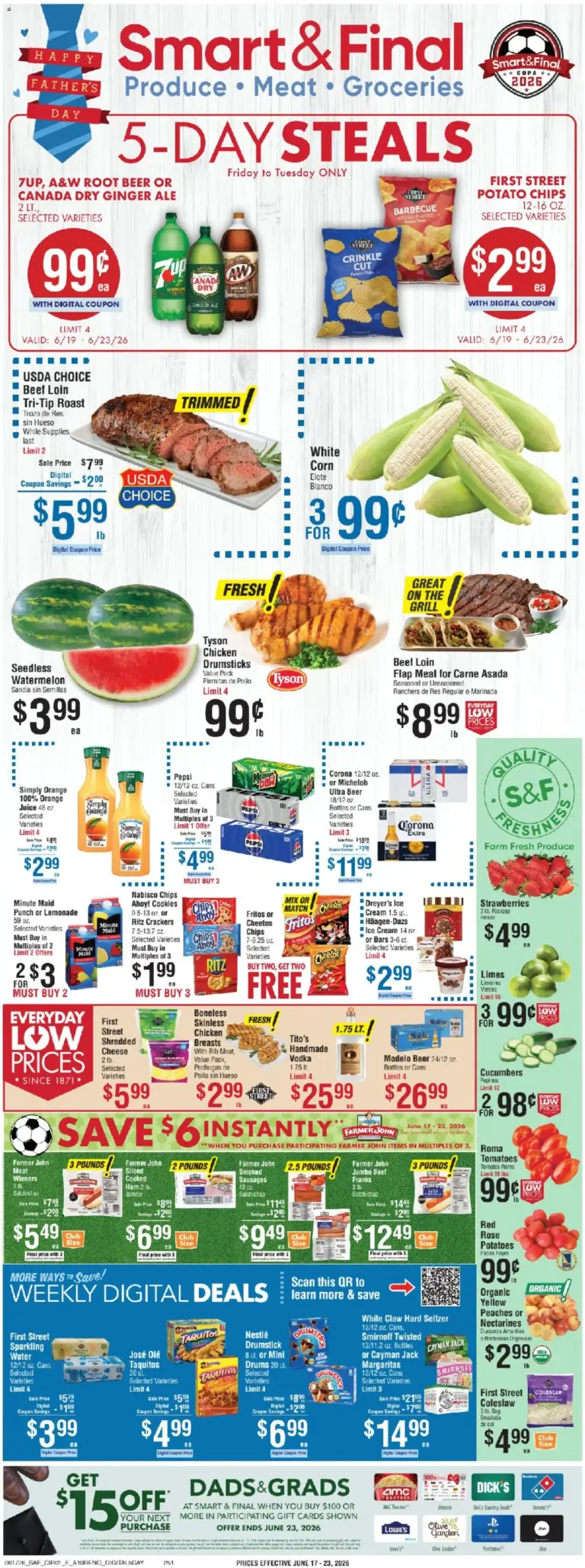
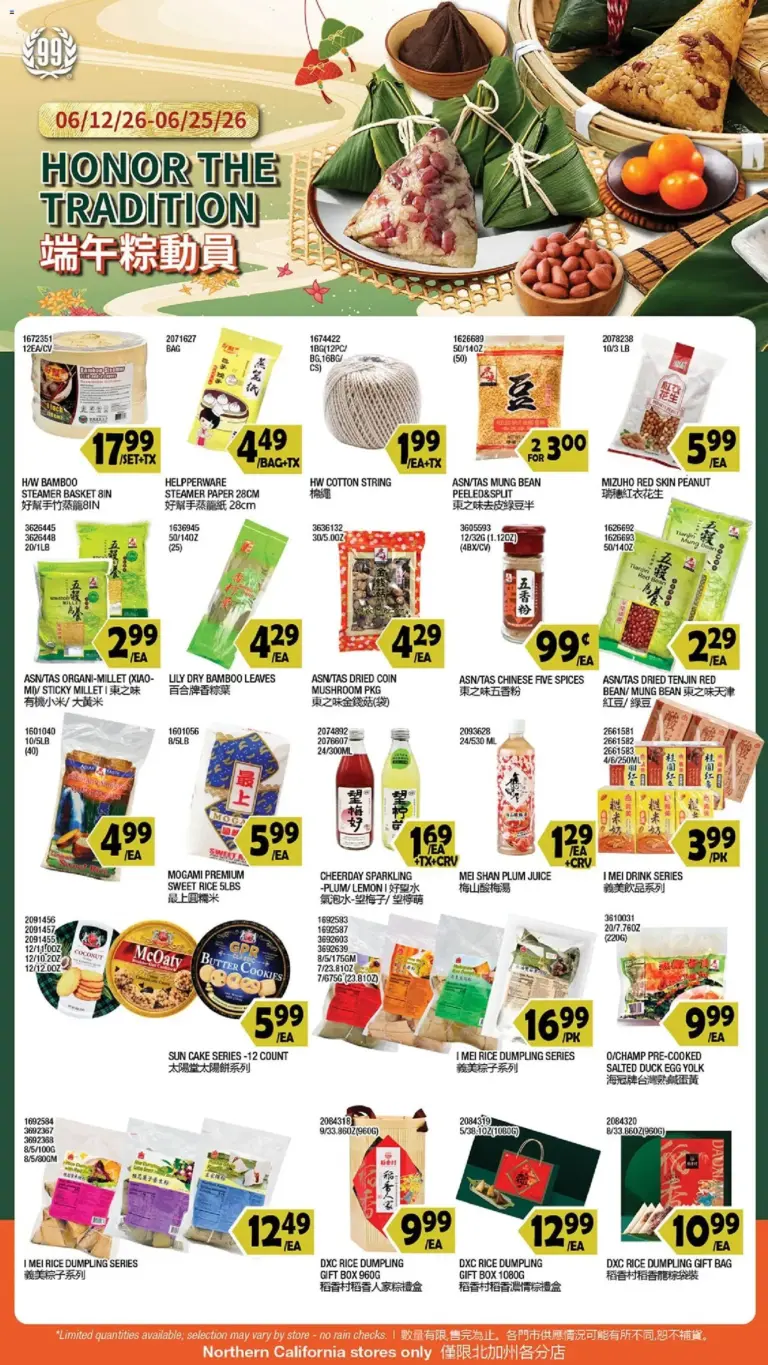



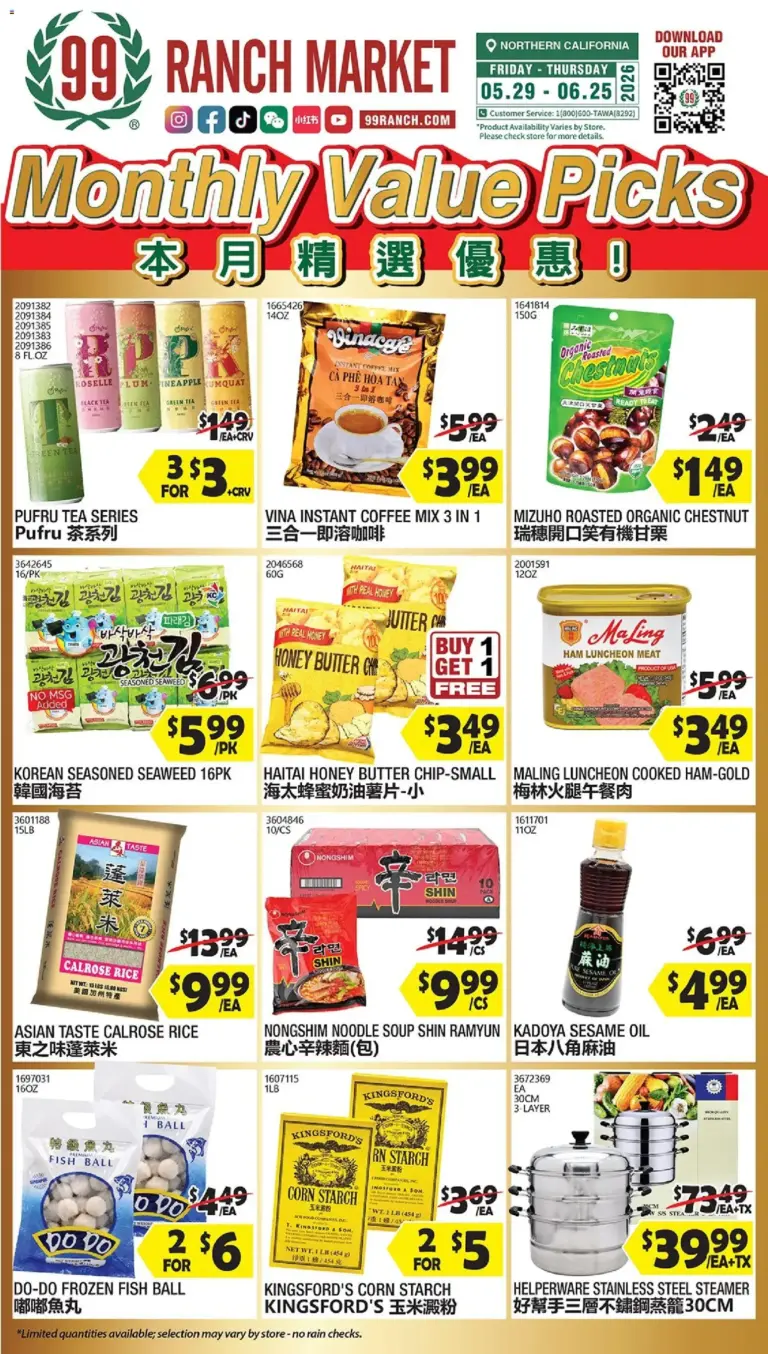
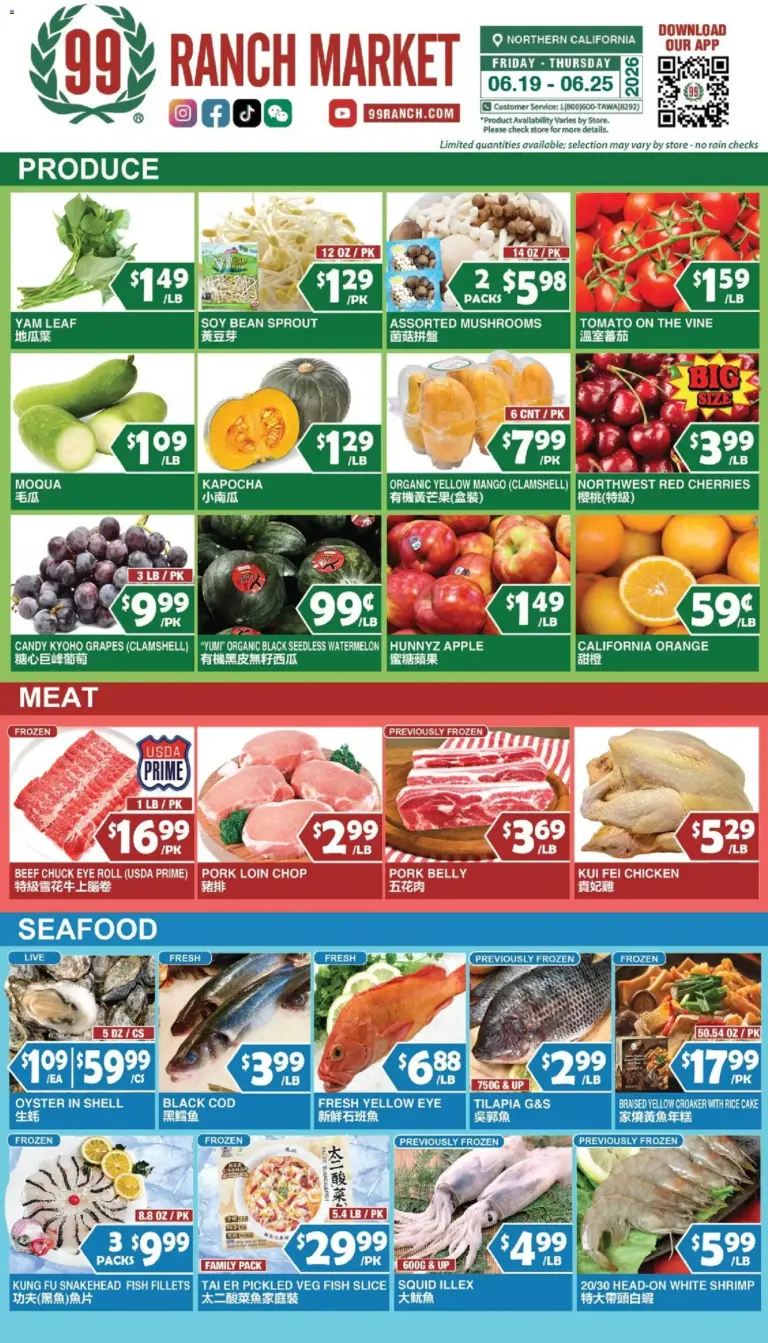
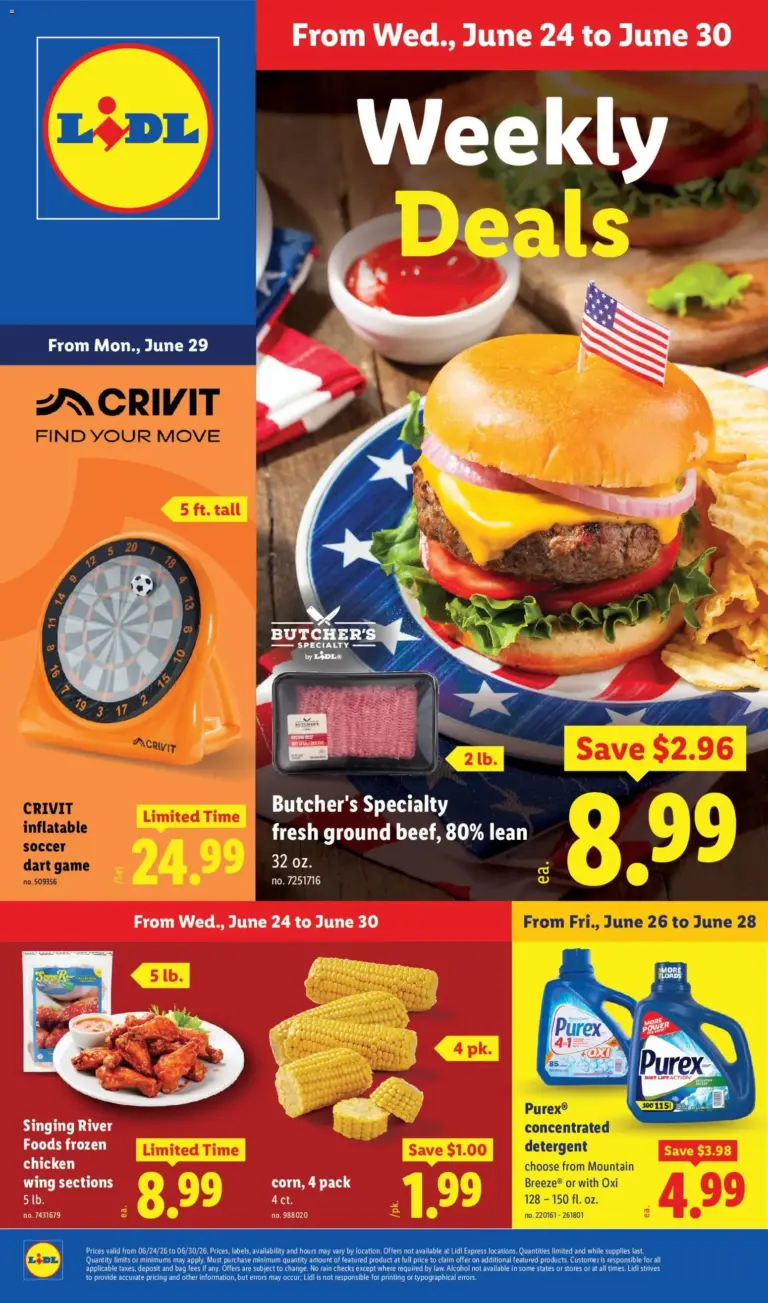
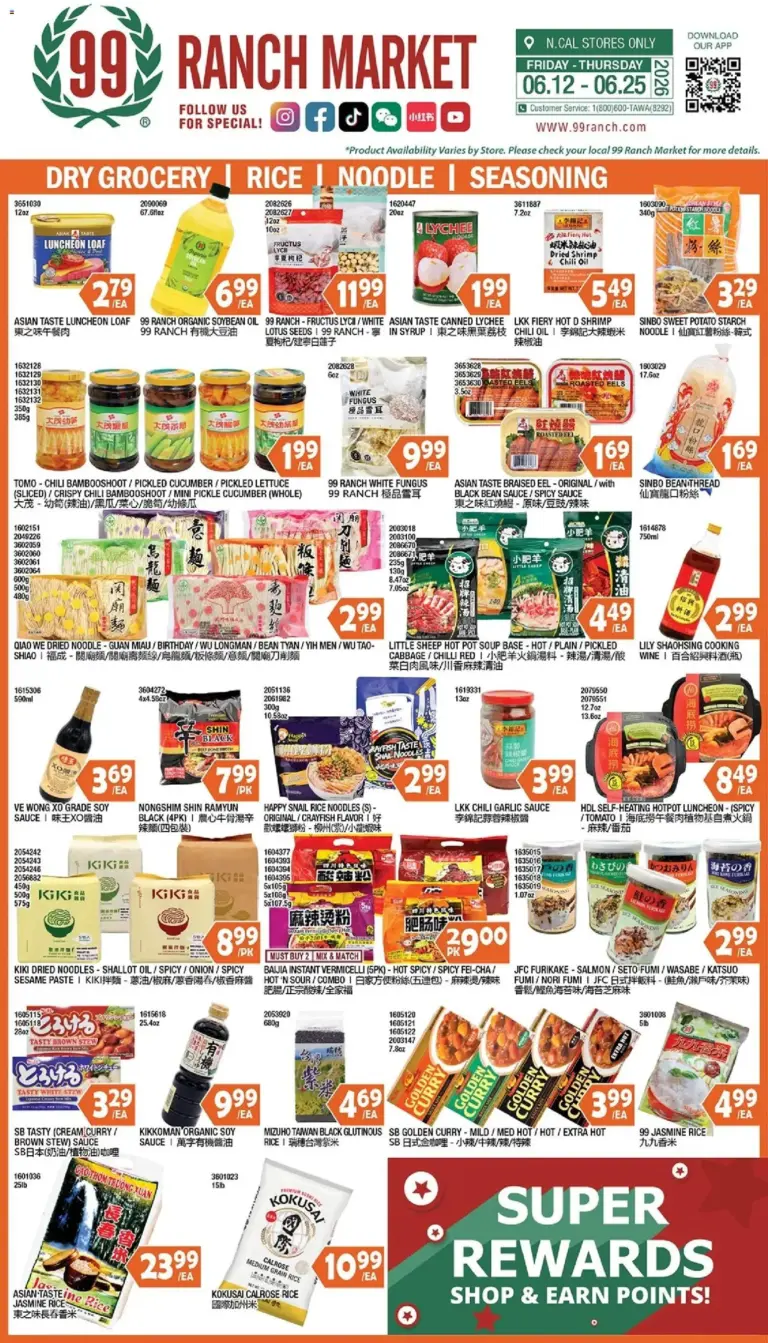
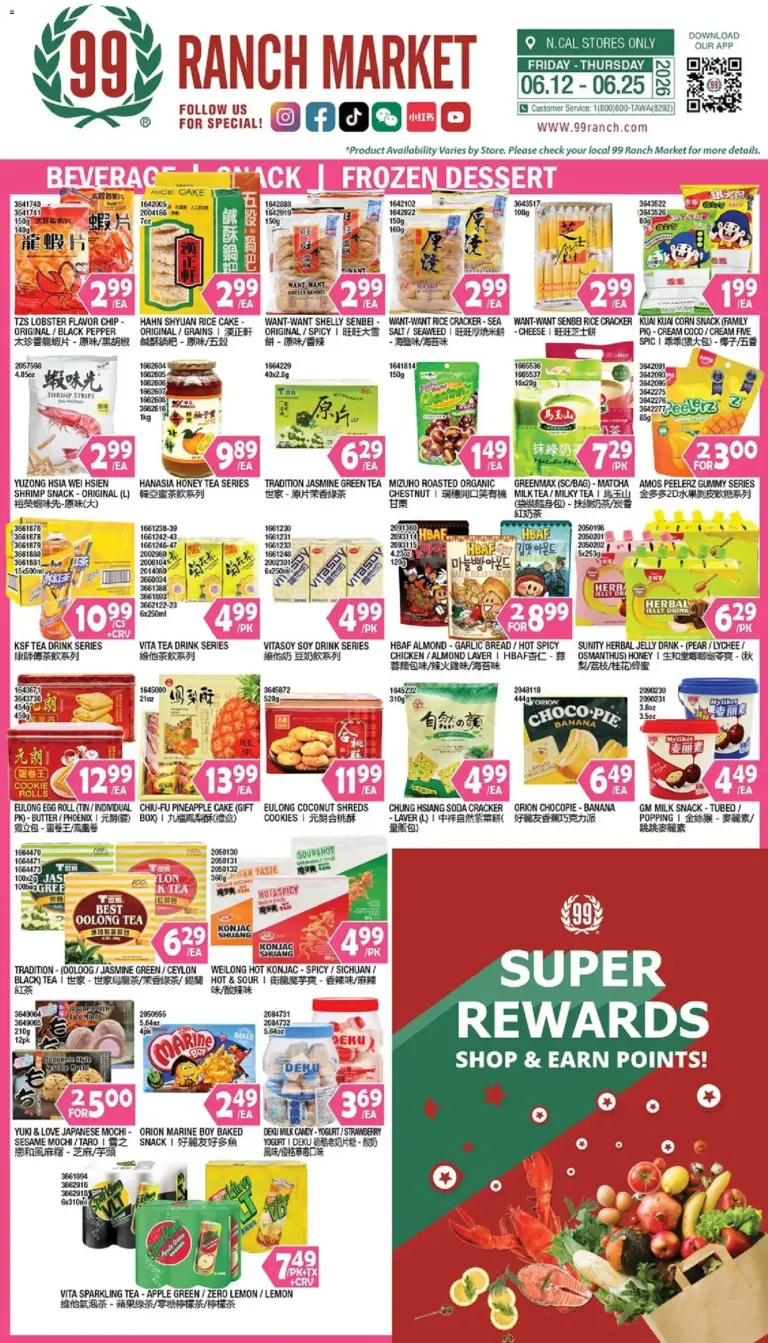
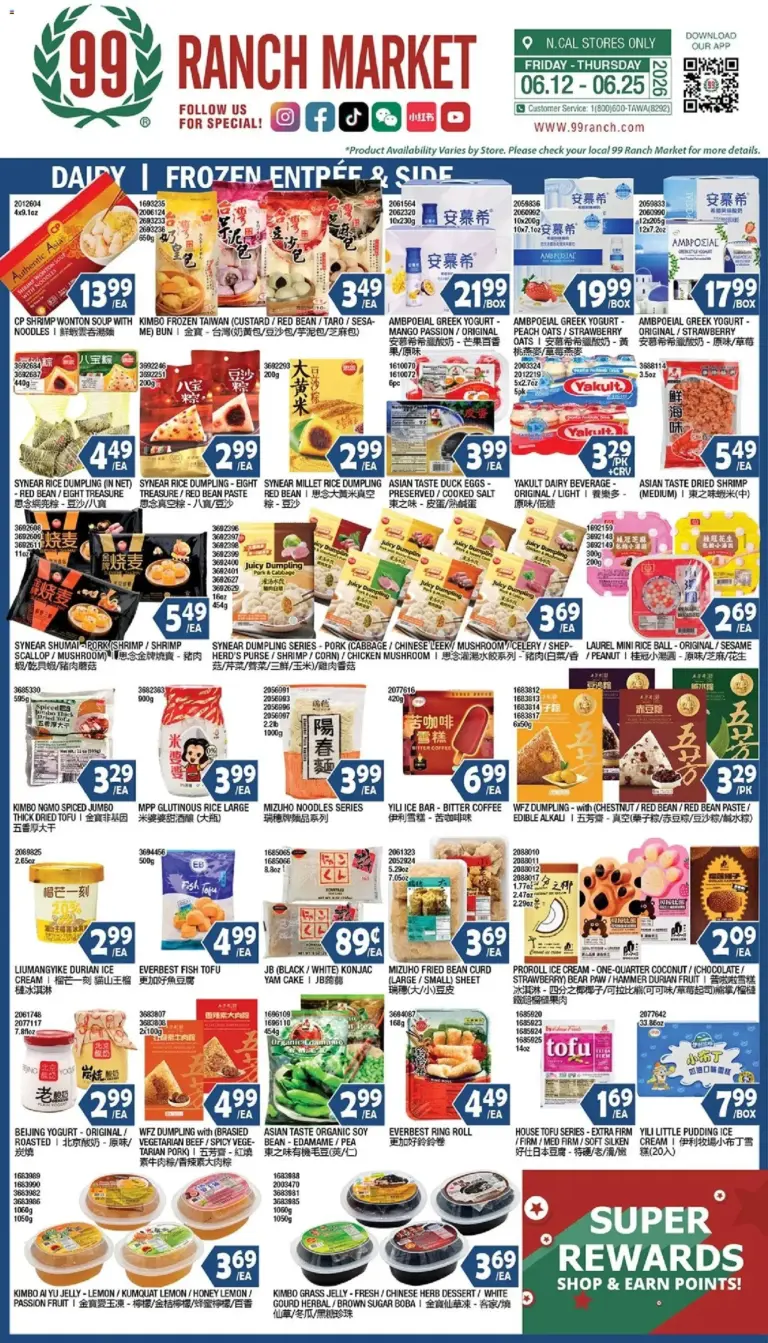
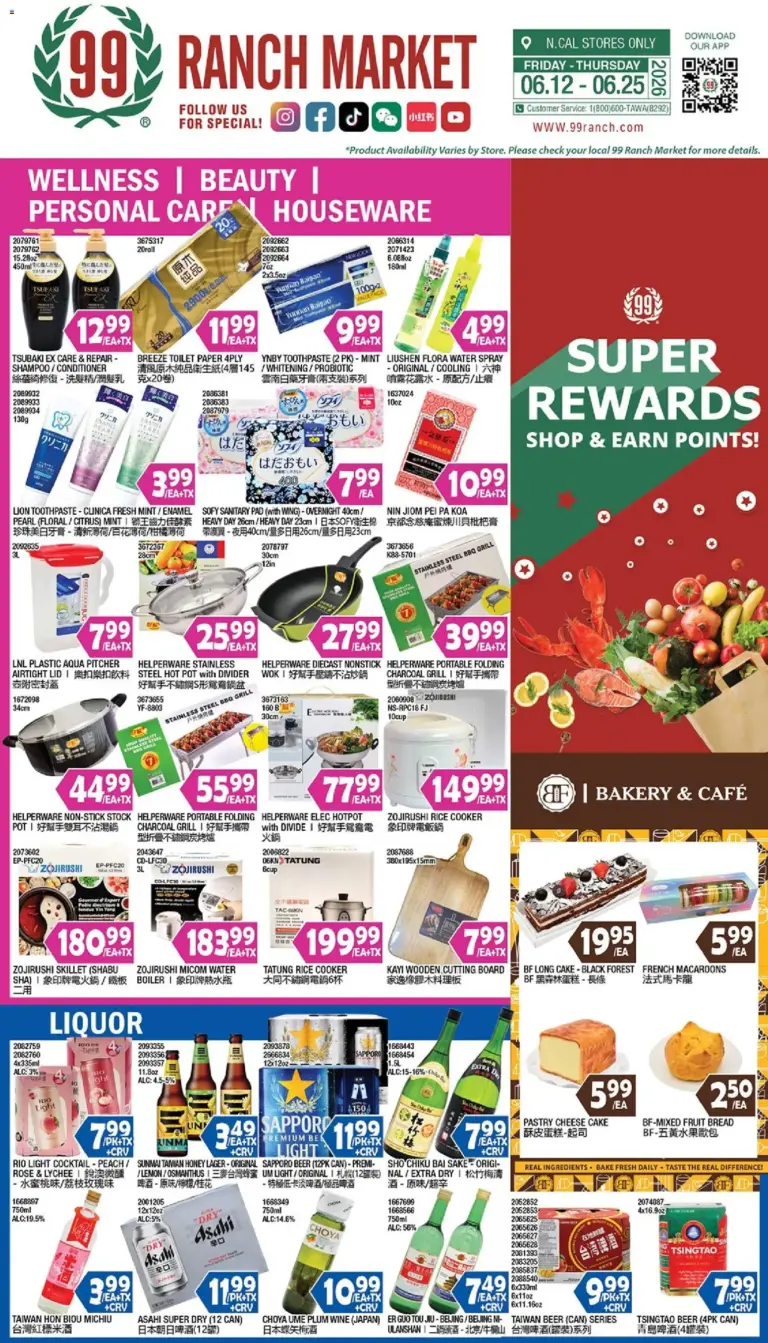

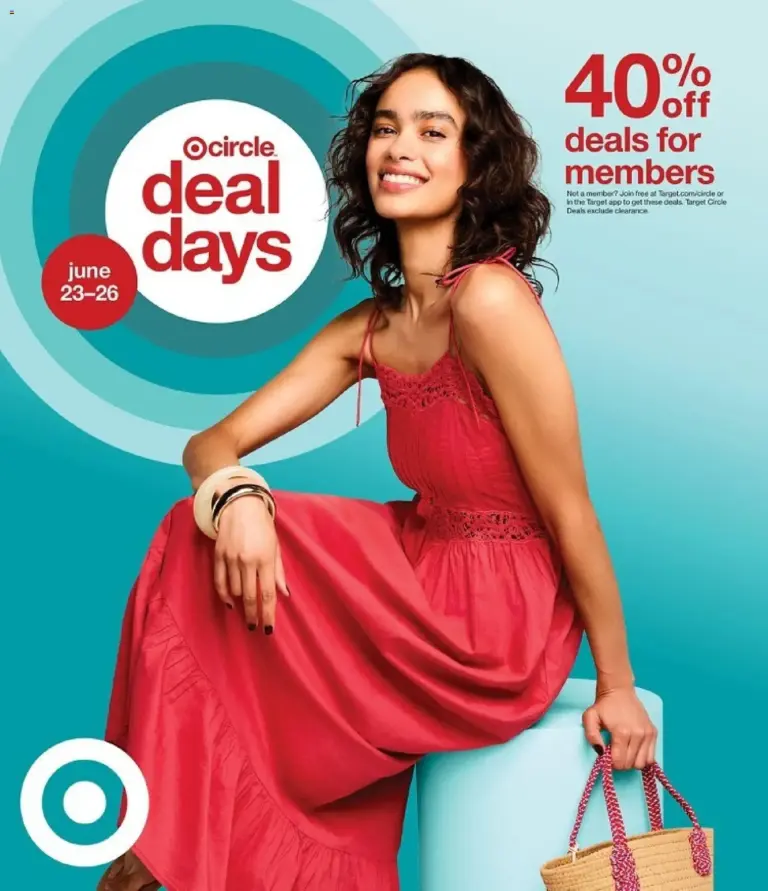
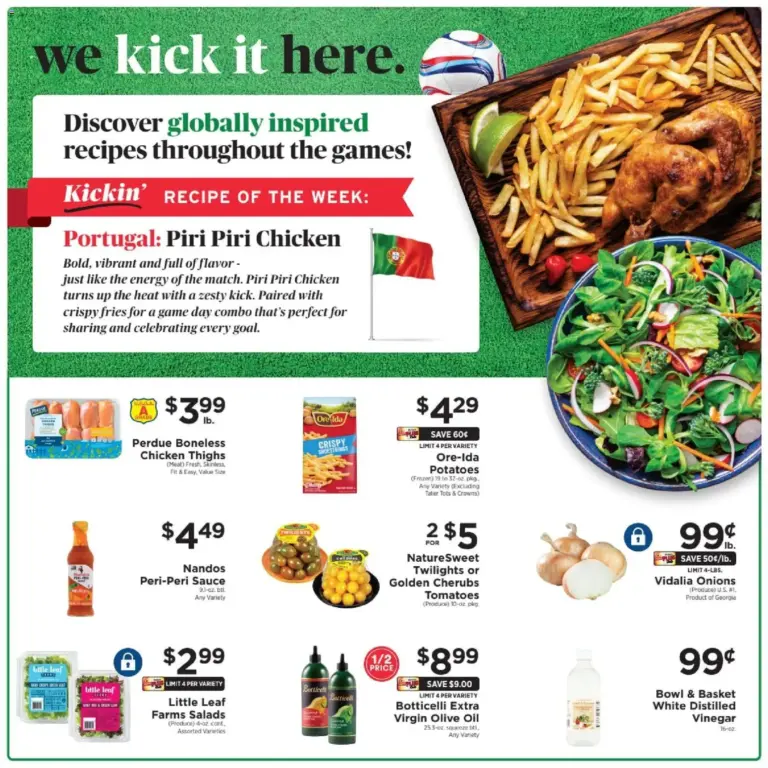
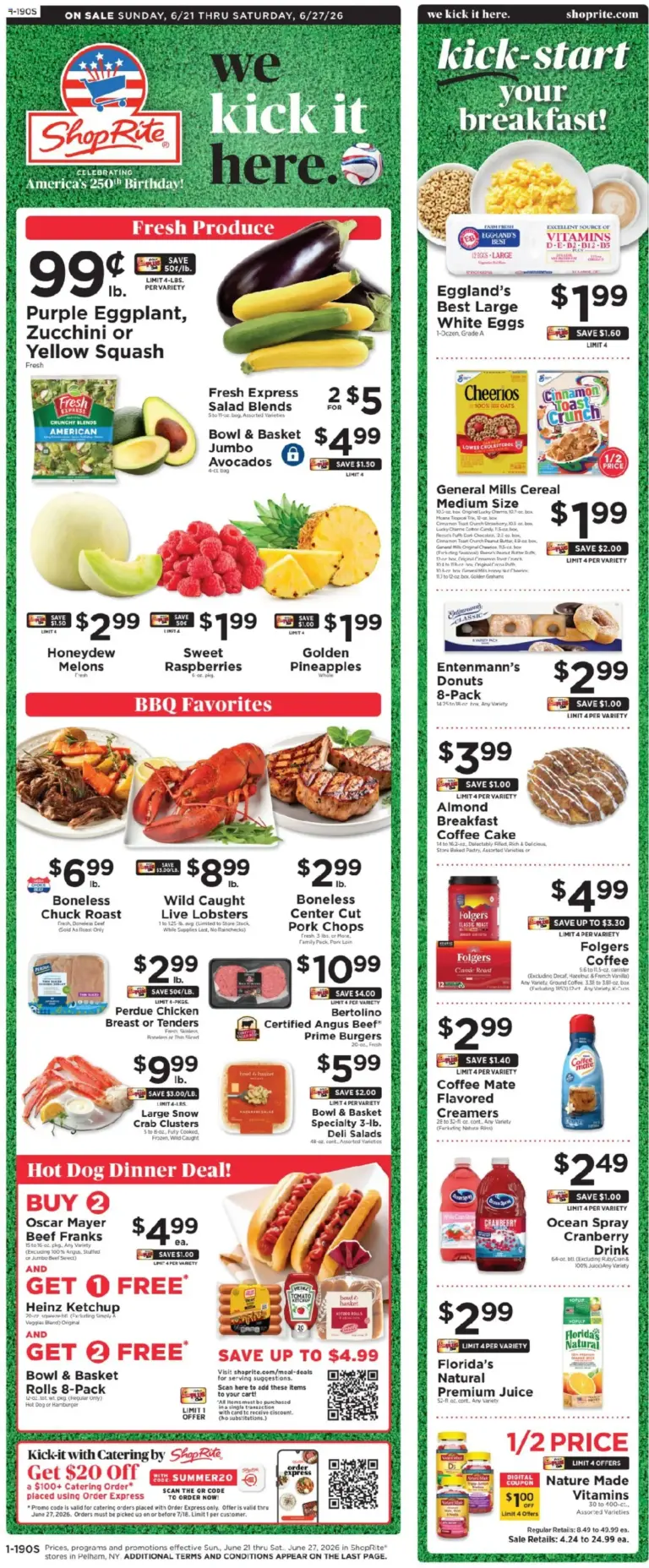
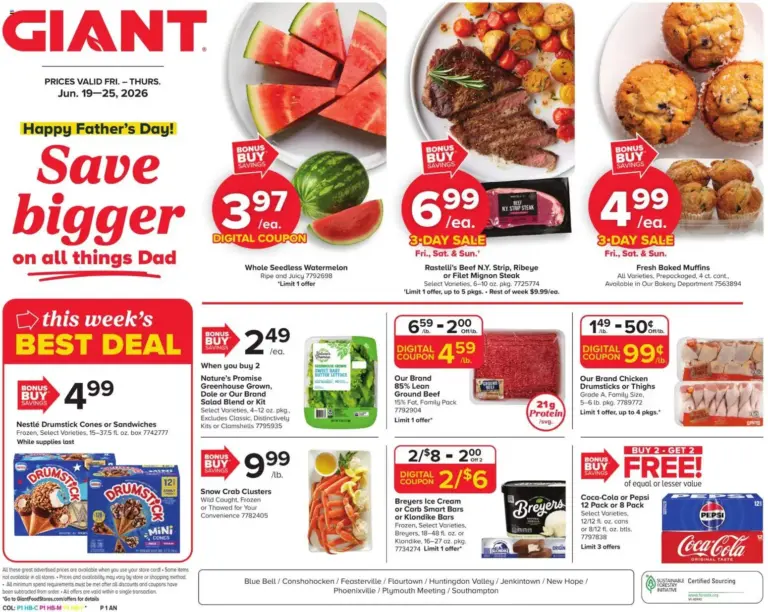
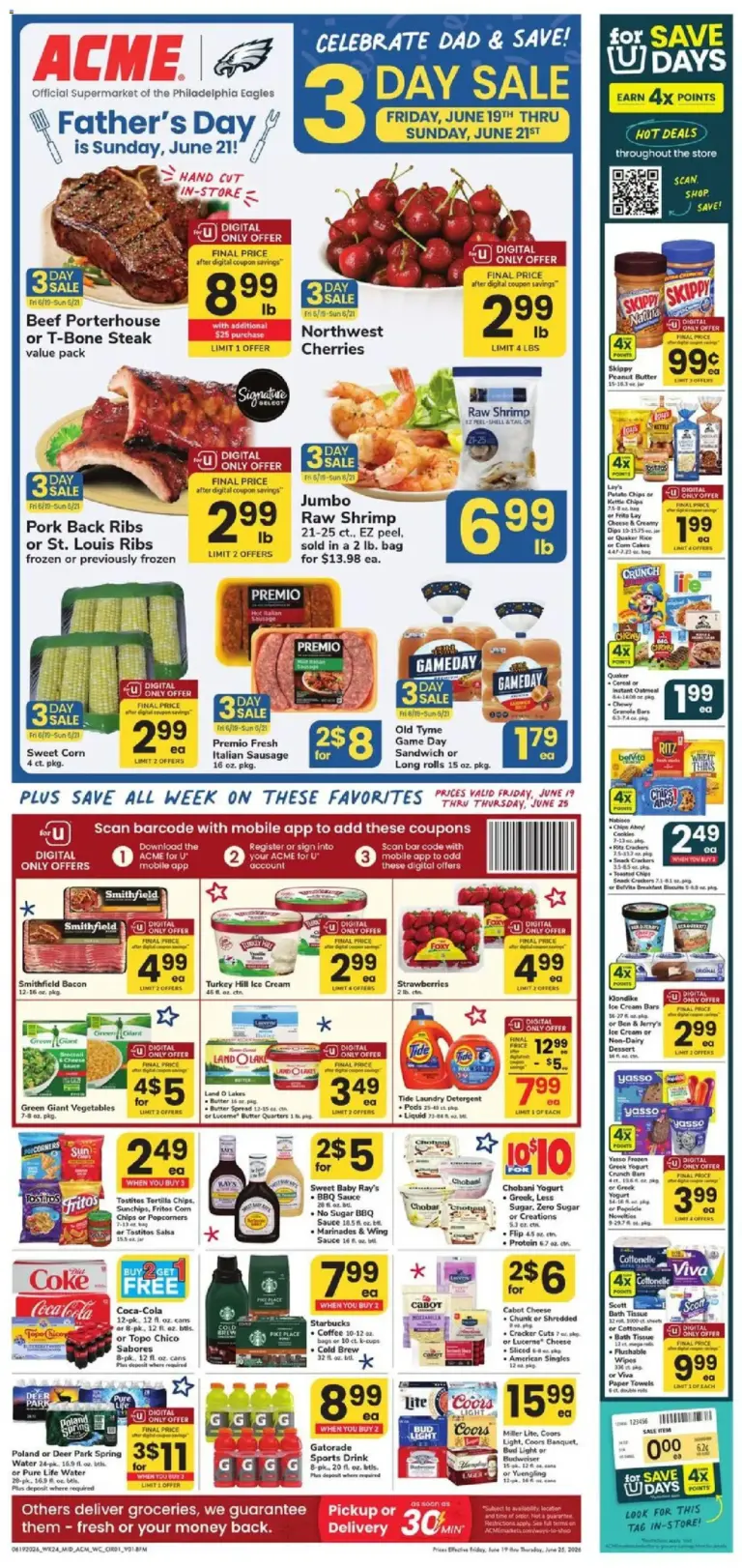
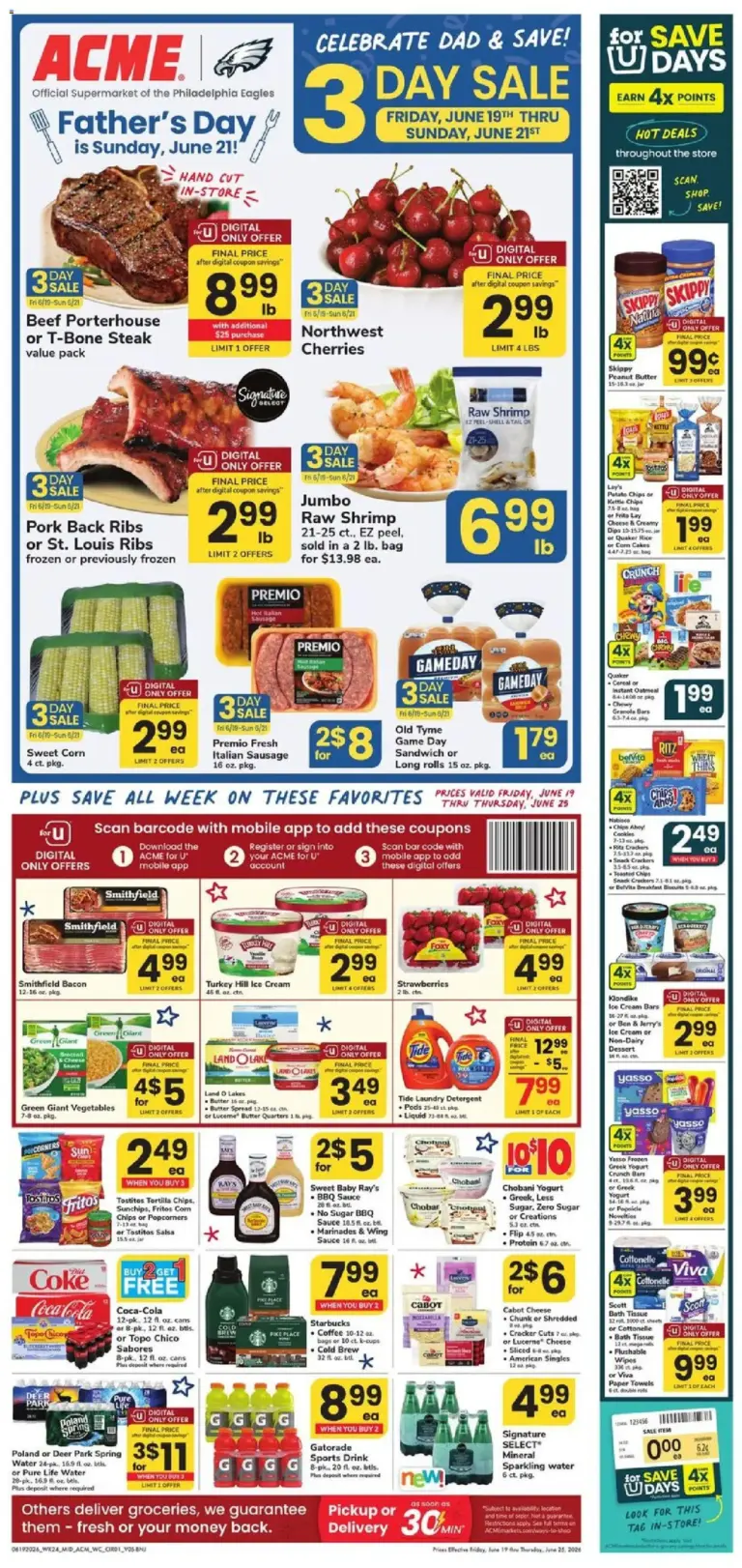
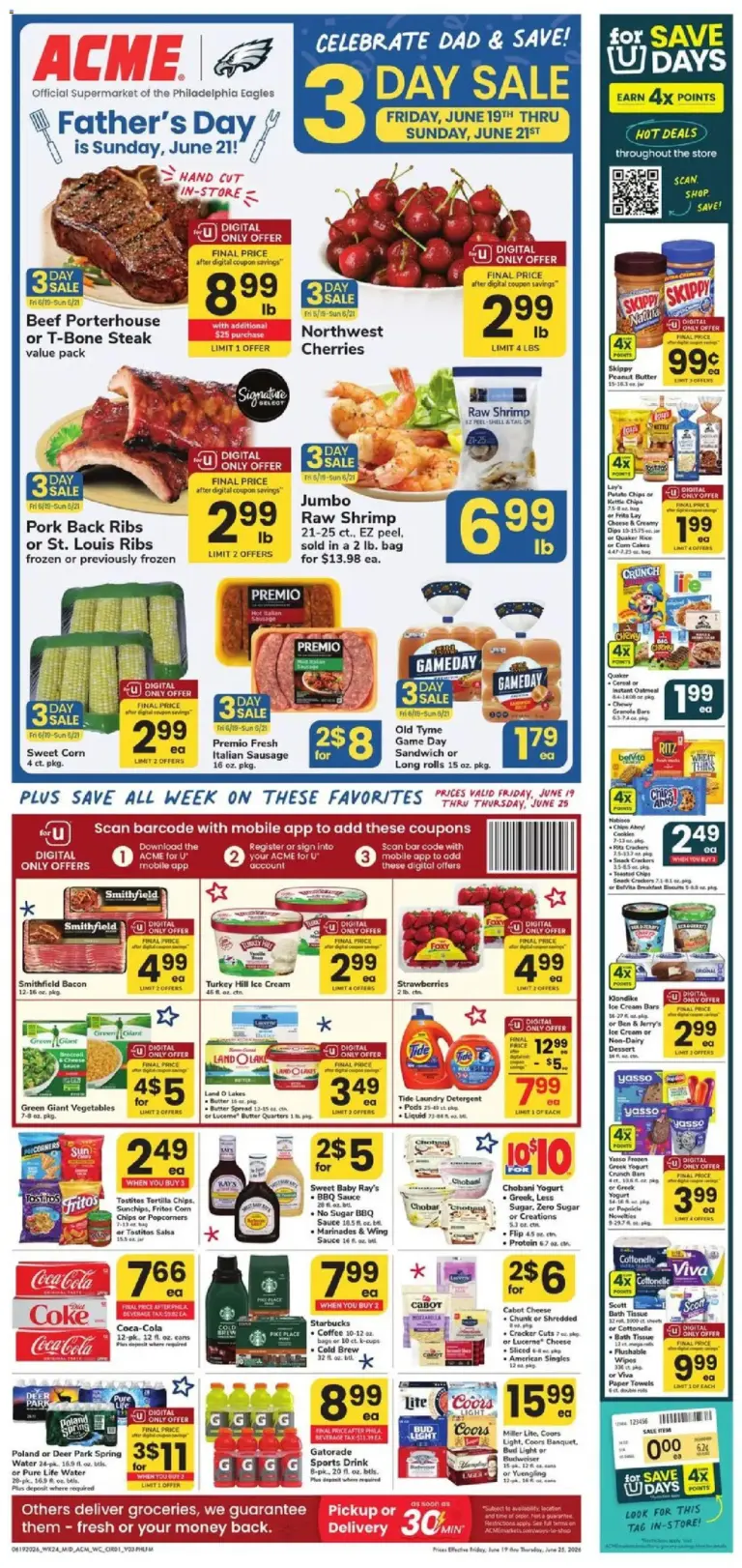
The Weekly Ad Is Your Best Money-Saving Tool
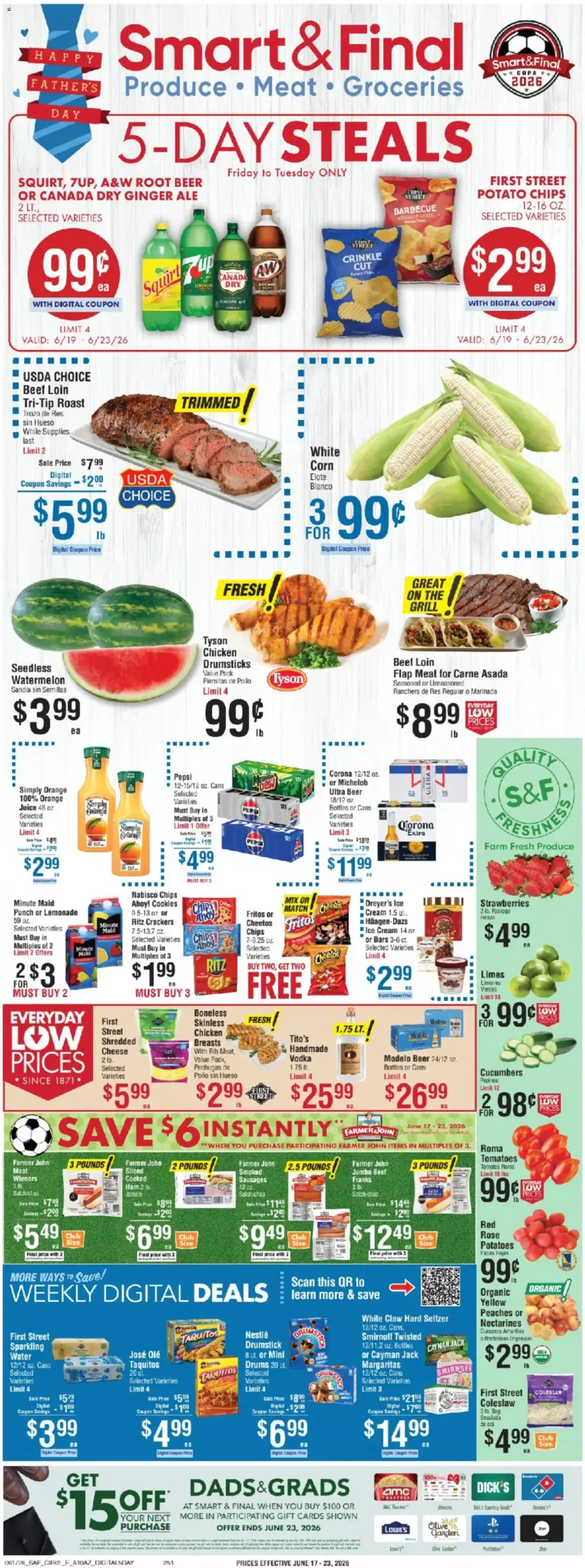
Before the internet, shoppers relied on newspaper inserts to find deals. Today, weekly ads are available online and remain one of the most powerful tools for saving money.
A weekly ad shows:
- Current promotions
- Temporary price reductions
- Buy-one-get-one offers
- Seasonal discounts
- Limited-time sales
Checking these ads before shopping helps you identify the best opportunities to save.
Many experienced shoppers spend just a few minutes reviewing weekly ads before creating their shopping list.
The Most Expensive Habit: Shopping Without a Plan
One of the biggest reasons people overspend on groceries is entering a store without a clear plan.
Without a shopping list, it’s easy to:
- Buy duplicate items
- Forget essentials
- Make impulse purchases
- Choose expensive alternatives
Planning meals for the week and building a list around current promotions can significantly reduce spending.
The goal isn’t to spend less by buying less food. The goal is to spend less by making smarter decisions.
Understanding Sales Cycles
Most products follow predictable sales cycles.
For example, your favorite cereal may be discounted every few weeks. Coffee, pasta, frozen foods, and canned goods often follow similar patterns.
Savvy shoppers learn to recognize these cycles.
Instead of purchasing products whenever they run out, they stock up when prices are at their lowest.
Over time, this strategy can lead to substantial savings.
Buy More When Prices Are Low
Many consumers only buy what they need for the current week.
Smart shoppers think differently.
When a product reaches a particularly attractive price, they often buy enough to last until the next sale.
Products that work well for this strategy include:
- Rice
- Pasta
- Coffee
- Canned vegetables
- Paper towels
- Laundry detergent
- Frozen foods
Having a small stockpile of frequently used items helps avoid paying full price later.
Store Brands Can Deliver Big Savings
National brands spend millions of dollars on advertising every year. Those costs are often reflected in product prices.
Store brands typically have lower marketing costs and can offer comparable quality at a lower price.
Many shoppers are surprised to discover that store-brand products often taste similar or perform just as well as more expensive alternatives.
Trying store brands in a few categories can be an easy way to reduce grocery expenses.
Timing Matters More Than Most People Realize
The day you shop can influence both prices and product availability.
Many grocery chains release new promotions in the middle of the week.
Shopping shortly after new deals become available often provides:
- Better selection
- Freshly stocked sale items
- Access to the newest discounts
Waiting until the end of a promotion may mean popular products are already sold out.
Don’t Ignore Loyalty Programs
Store rewards programs are one of the easiest ways to unlock additional savings.
Benefits often include:
- Member-only prices
- Personalized discounts
- Digital coupons
- Fuel rewards
- Cashback opportunities
Most programs are free and can provide savings on nearly every shopping trip.
If your favorite grocery store offers a loyalty program, joining is usually worth the effort.
The Psychology of Grocery Shopping
Supermarkets are carefully designed to encourage spending.
You’ll often find:
- Candy near checkout lanes
- Sale signs throughout the store
- Attractive product displays
- Seasonal promotions
These marketing techniques work because they encourage impulse purchases.
The most successful shoppers remain focused on their lists and avoid making emotional buying decisions.
Frequently Asked Questions
How much can shoppers save by using weekly ads?
Many households save hundreds of dollars each year simply by planning purchases around weekly promotions.
Is buying in bulk always a good idea?
Only when the product will be used before it expires and the unit price is lower than smaller packages.
Are store brands really as good as name brands?
In many categories, store brands offer comparable quality at a lower price.
What’s the easiest way to start saving on groceries?
Begin by checking weekly ads before shopping and creating a list based on current deals.
Final Thoughts
The reason smart shoppers rarely pay full price isn’t because they spend hours clipping coupons or visiting multiple stores every day. It’s because they understand how grocery pricing works.
By reviewing weekly ads, recognizing sales cycles, using loyalty programs, and planning purchases strategically, anyone can reduce grocery expenses without sacrificing quality.
A few simple habits can transform the way you shop and help you keep more money in your budget every month.