
For many families, grocery shopping can feel like a never-ending task. Between work, school, sports practices, appointments, and household responsibilities, finding time to plan meals and shop efficiently is often difficult.
As a result, many households spend more money than necessary on groceries. Last-minute shopping trips, impulse purchases, forgotten ingredients, and food waste can quickly increase monthly expenses.
The good news is that grocery shopping doesn’t have to be stressful. With a few simple strategies, busy families can save both time and money while keeping their kitchens stocked with healthy and affordable foods.
Start With a Weekly Grocery Plan
One of the biggest mistakes families make is shopping without a plan.
When you know exactly what meals you’ll prepare during the week, grocery shopping becomes faster, easier, and more affordable.
Before creating your shopping list:
- Check your refrigerator and pantry
- Identify ingredients you already have
- Plan breakfasts, lunches, and dinners
- Consider upcoming family activities
A weekly plan reduces unnecessary purchases and helps prevent food from going to waste.





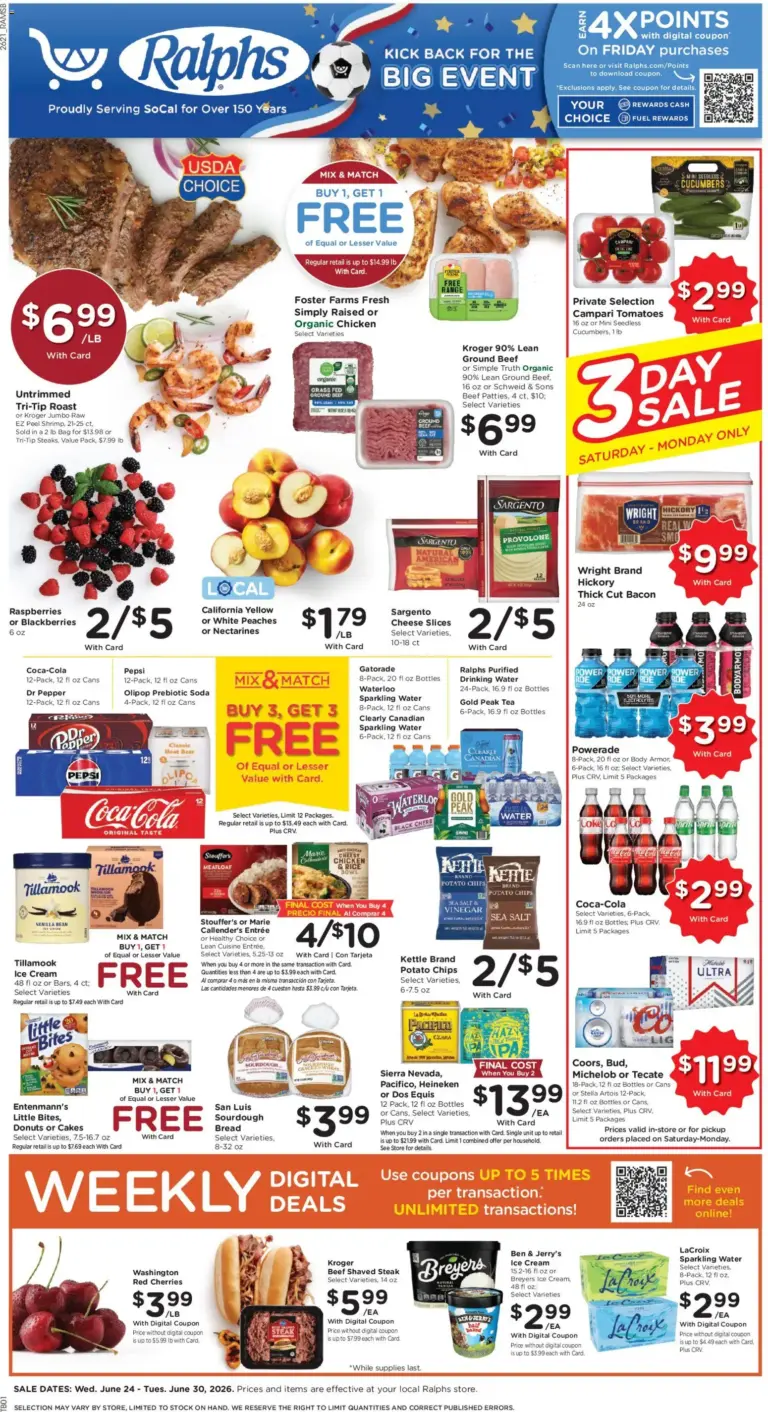


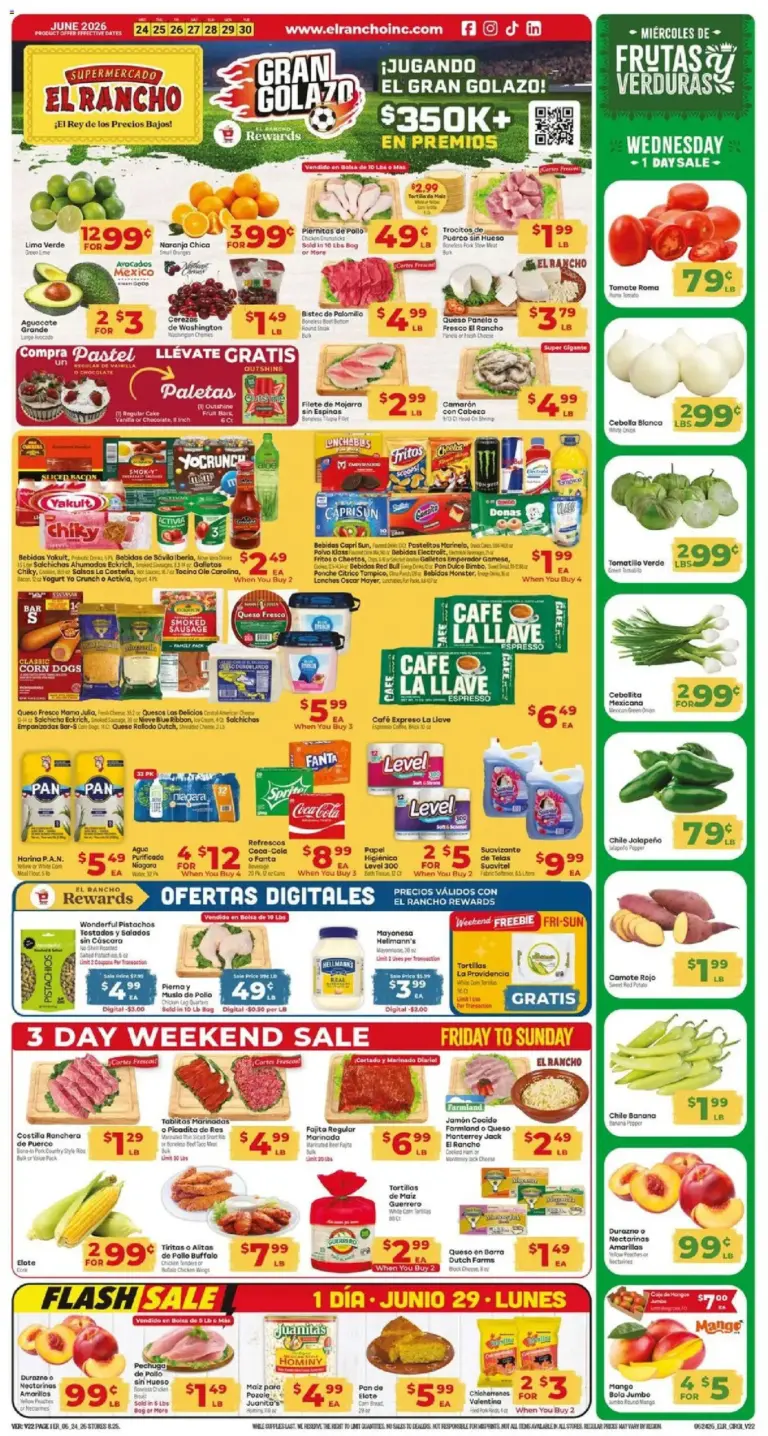

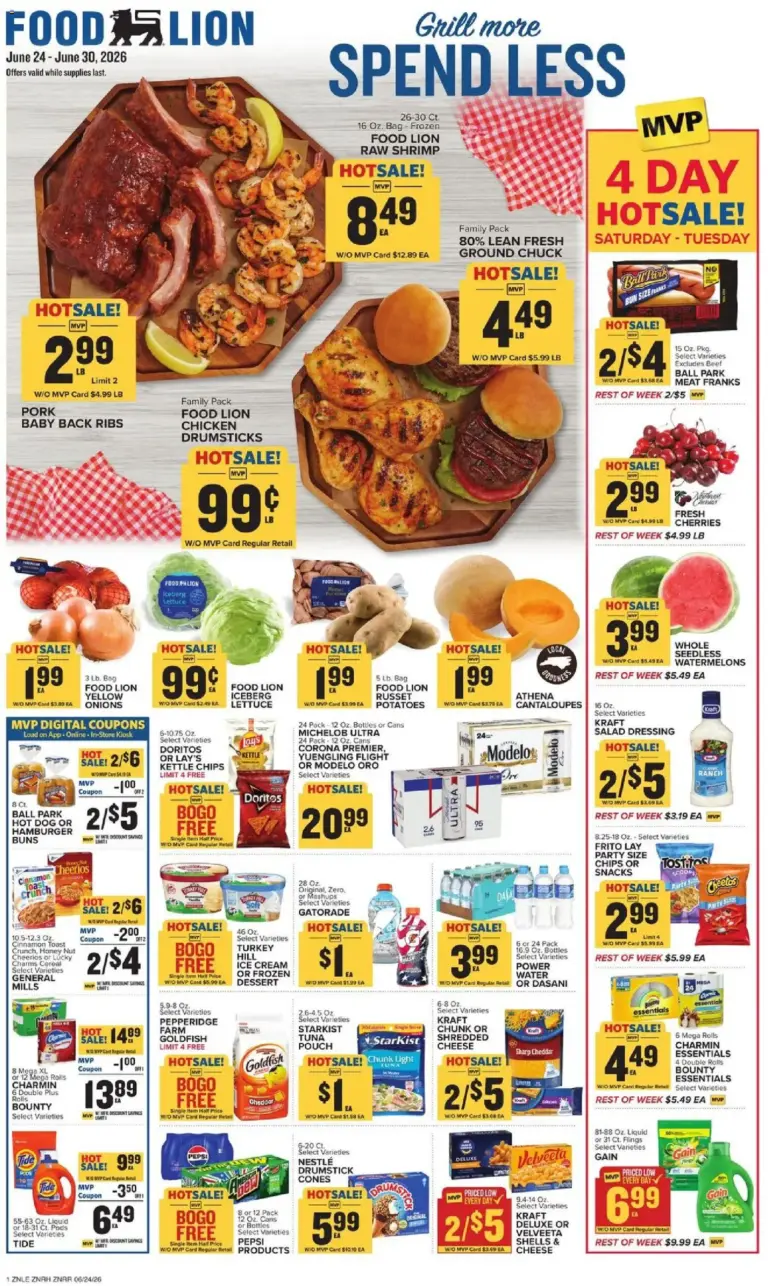
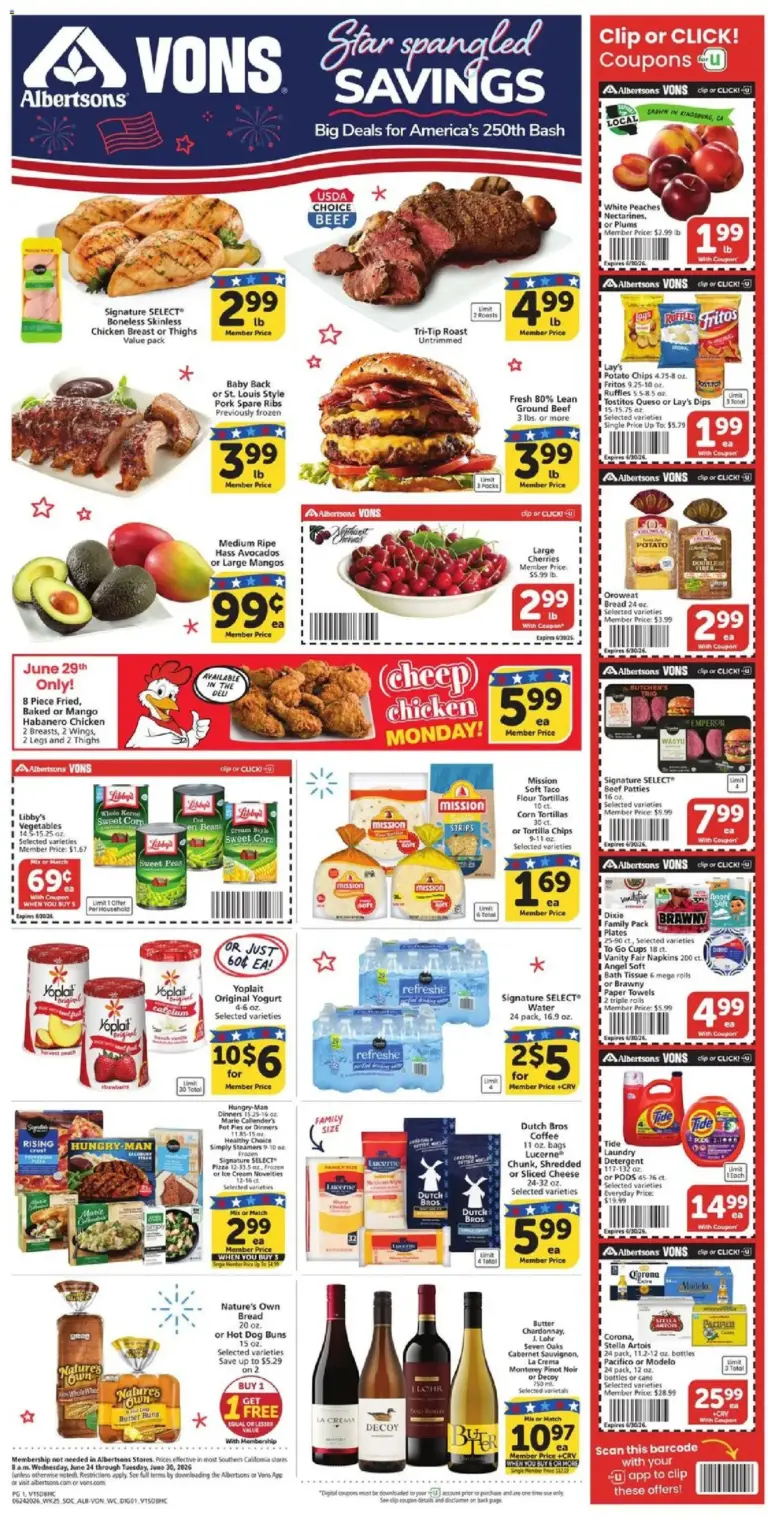





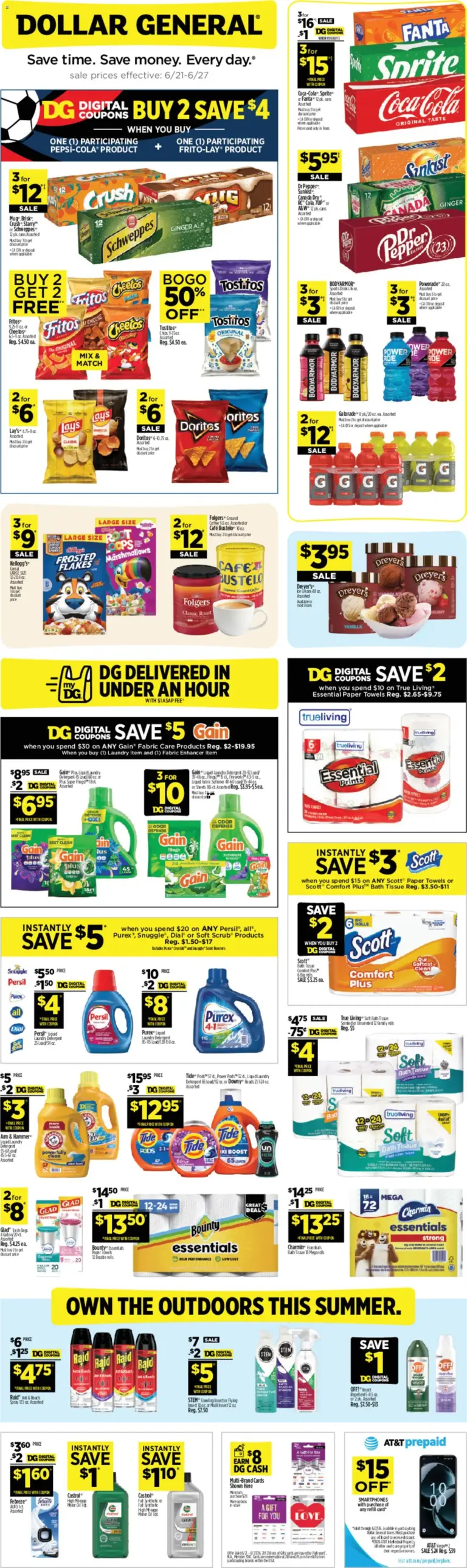
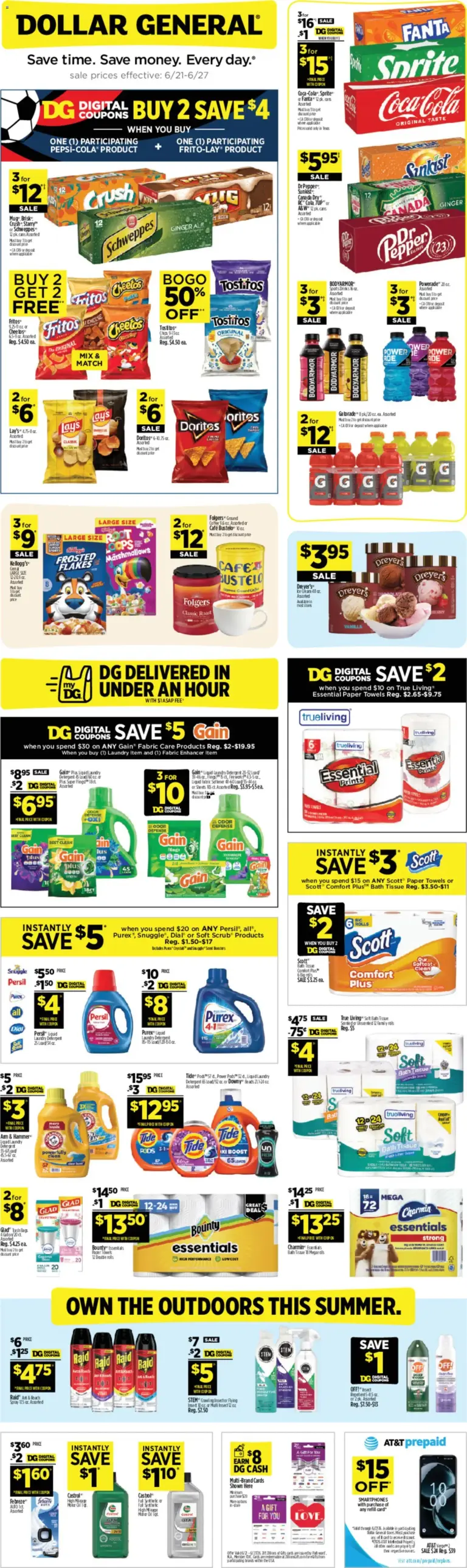
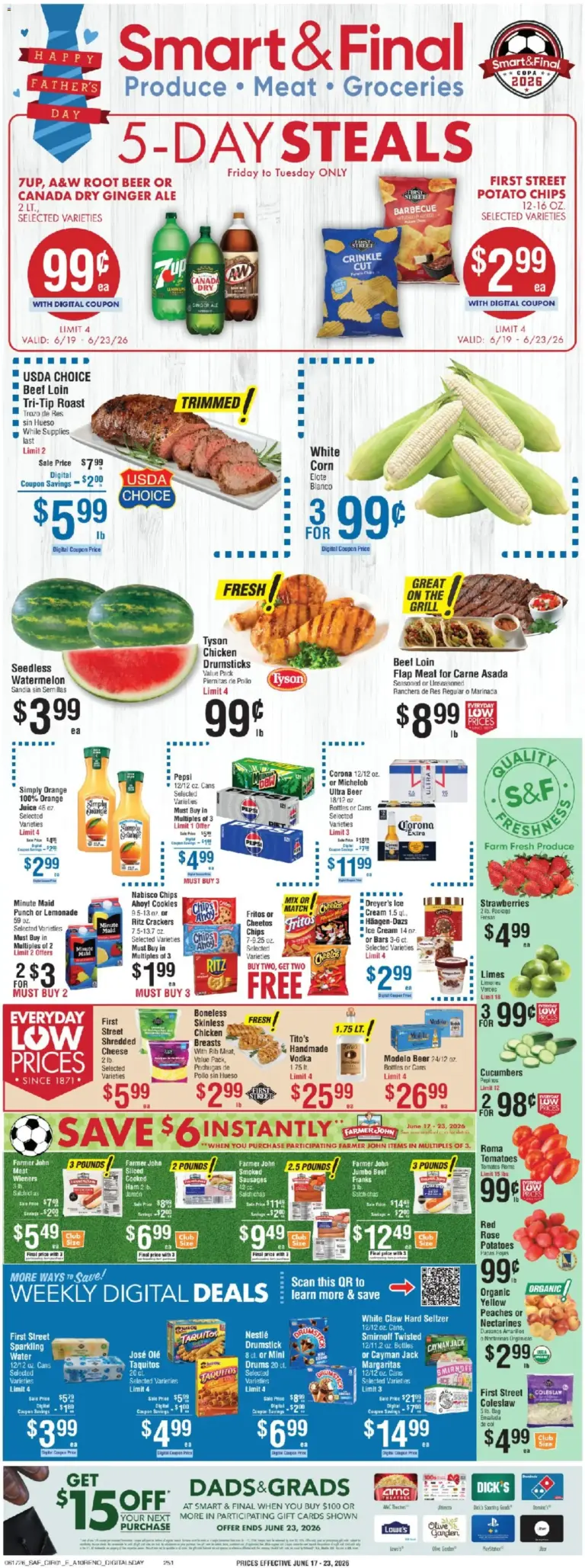

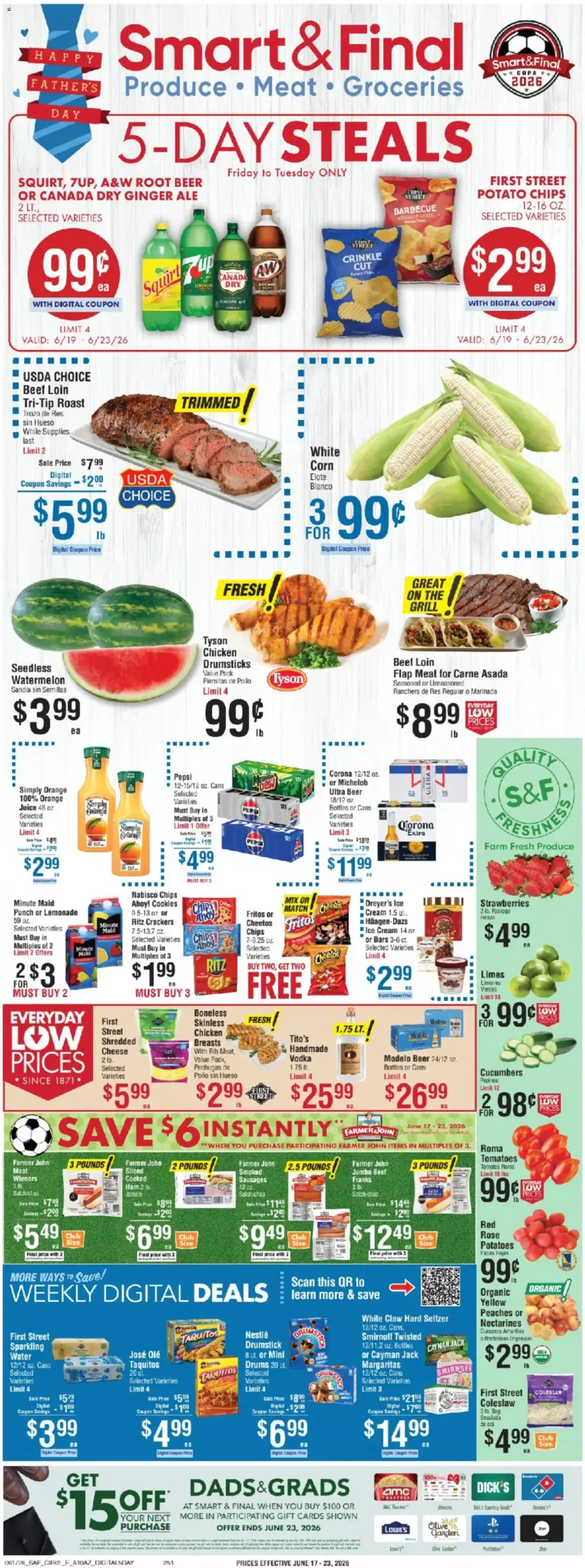
Check Weekly Grocery Ads Before Shopping
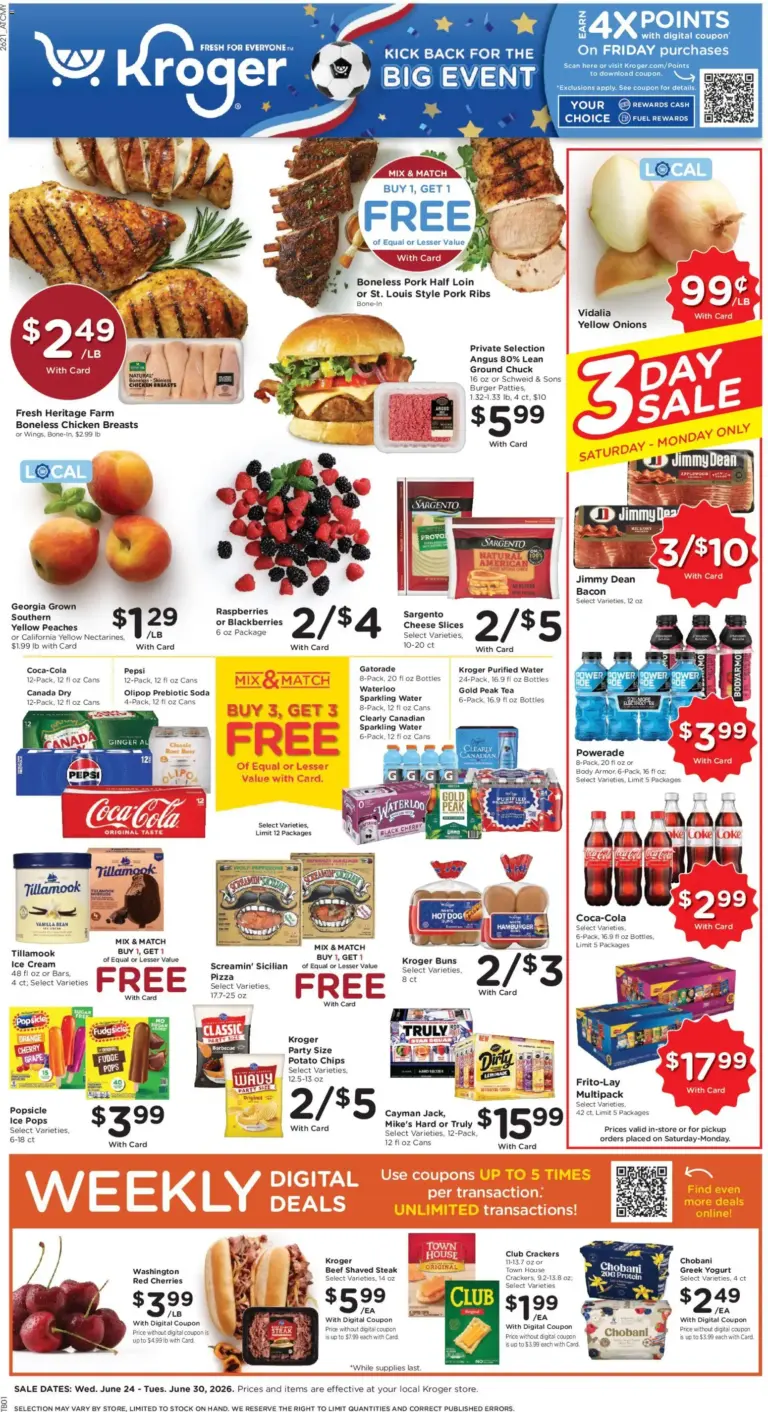
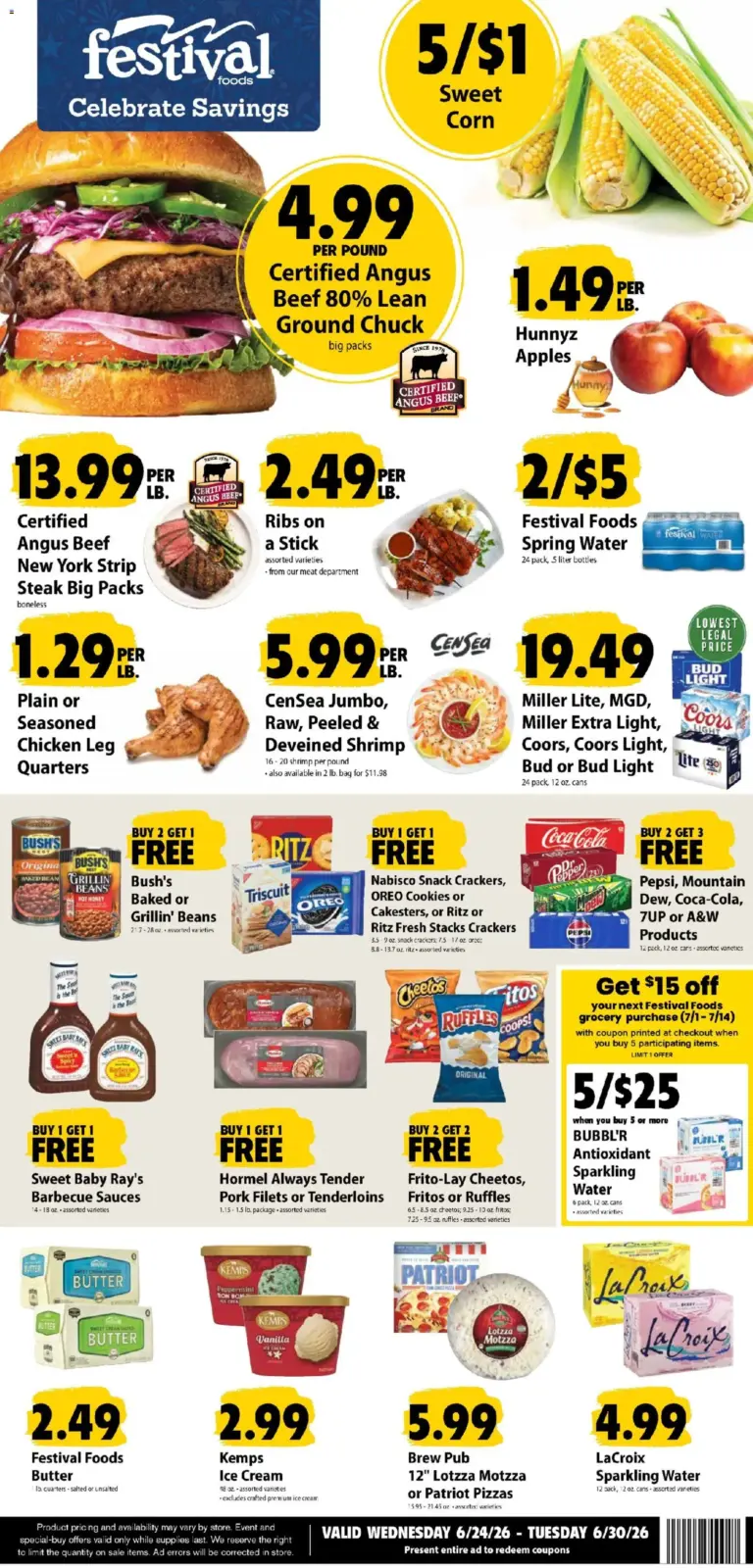
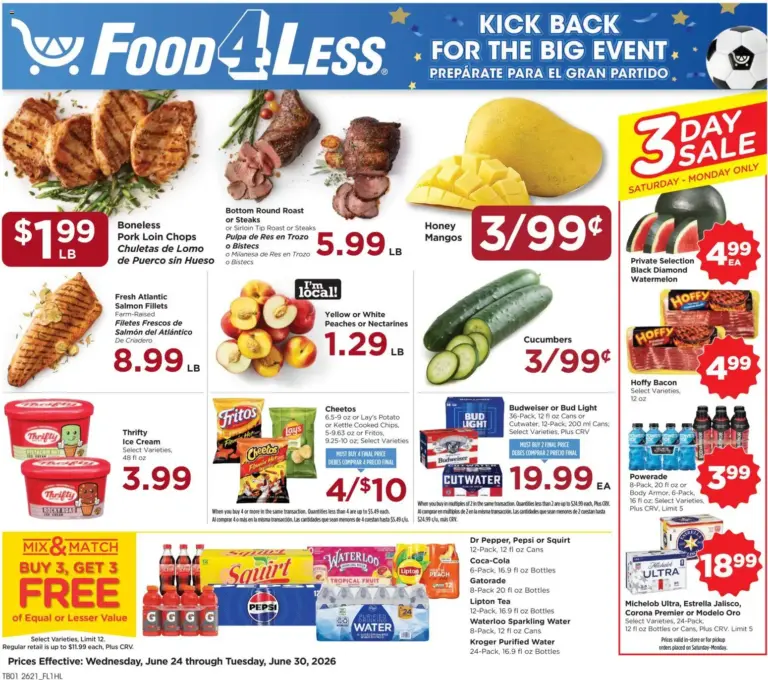
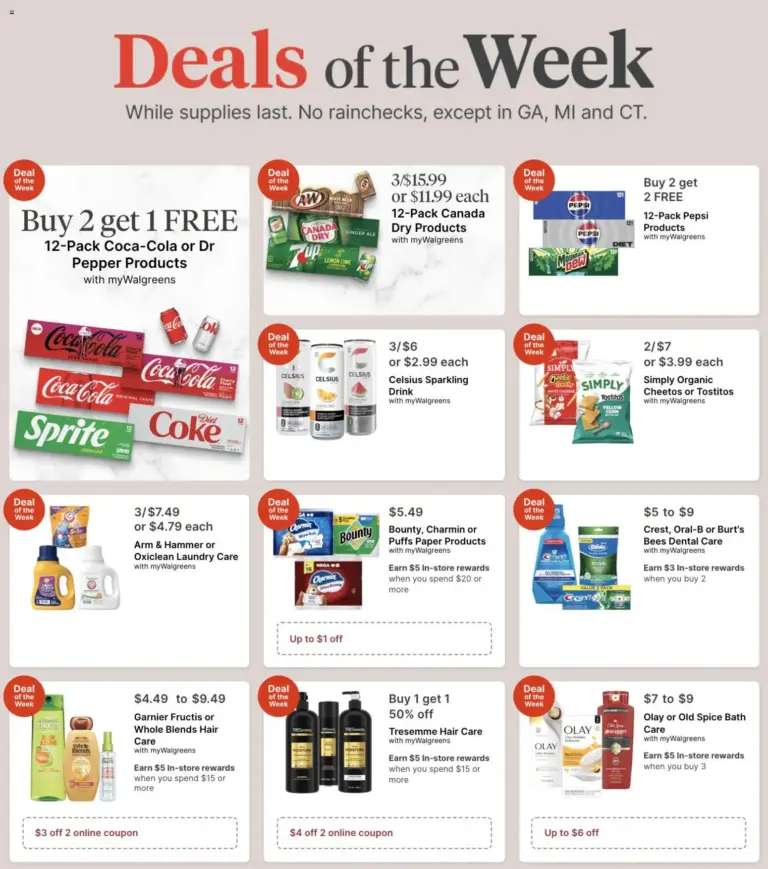
Smart shoppers rarely enter a grocery store without first reviewing current promotions.
Weekly ads can help families:
- Find discounts on meat and produce
- Save on household essentials
- Discover seasonal specials
- Plan meals around lower-priced ingredients
Instead of choosing meals first, consider building your menu around products that are currently on sale.
This simple habit can significantly reduce grocery expenses throughout the year.
Create a Master Shopping List
Many busy parents find themselves repeatedly buying the same products.
Creating a master grocery list can save time every week.
Include categories such as:
Produce
- Fruits
- Vegetables
- Salad ingredients
Dairy
- Milk
- Cheese
- Yogurt
- Eggs
Pantry Staples
- Rice
- Pasta
- Bread
- Cereal
Household Items
- Paper towels
- Cleaning products
- Laundry supplies
A master list helps ensure important items aren’t forgotten during shopping trips.
Shop Once Per Week When Possible
Frequent shopping trips often lead to higher spending.
Every additional visit to the store increases the likelihood of:
- Impulse purchases
- Convenience food purchases
- Unplanned spending
By organizing shopping into a single weekly trip, families can better control their budget and save valuable time.
Use Store Loyalty Programs
Most major grocery chains offer free loyalty programs that provide:
- Member-only discounts
- Digital coupons
- Personalized promotions
- Fuel rewards
- Cashback opportunities
These programs can generate meaningful savings throughout the year.
Before shopping, check your store’s mobile app for available offers.
Prepare for Busy Weeknights
Many families overspend because they don’t have time to cook after a long day.
This often results in:
- Restaurant visits
- Takeout orders
- Expensive convenience meals
To avoid this problem:
- Prep ingredients in advance
- Freeze extra portions
- Cook larger meals on weekends
Having ready-to-eat options available at home can save hundreds of dollars each month.
Buy Family Favorites in Bulk
Some products are used consistently in most households.
Examples include:
- Rice
- Pasta
- Oatmeal
- Peanut butter
- Frozen vegetables
- Paper products
When these items are heavily discounted, purchasing extra quantities can provide long-term savings.
However, avoid bulk purchases if products are unlikely to be used before expiration.
Reduce Food Waste
Food waste is one of the biggest hidden expenses for families.
Many households throw away:
- Leftovers
- Produce
- Dairy products
- Bread
- Prepared meals
To reduce waste:
- Store food properly
- Freeze leftovers
- Label expiration dates
- Use older ingredients first
Small improvements can lead to substantial savings over time.
Keep Easy, Affordable Meals Available
Life doesn’t always go according to plan.
Busy evenings often make cooking difficult.
Having a few simple meal options ready can prevent expensive takeout orders.
Examples include:
- Pasta with vegetables
- Homemade tacos
- Stir-fry meals
- Soup and sandwiches
- Rice bowls
These meals are affordable, quick to prepare, and family-friendly.
Teach Kids About Grocery Shopping
Including children in grocery planning can create better shopping habits for the entire family.
Kids can help:
- Compare prices
- Find sale items
- Create shopping lists
- Choose healthy snacks
This not only makes shopping more engaging but also teaches valuable budgeting skills.
Frequently Asked Questions
How can families reduce grocery spending quickly?
Start by checking weekly ads, planning meals, and avoiding unnecessary shopping trips.
Is meal planning really worth the effort?
Yes. Meal planning helps reduce food waste, save time, and lower grocery expenses.
How often should a family shop for groceries?
For most households, one organized shopping trip per week is sufficient.
What’s the biggest grocery mistake families make?
Shopping without a list or meal plan often leads to overspending and wasted food.
Final Thoughts
Busy families face unique challenges when it comes to grocery shopping. Limited time, changing schedules, and rising food prices can make staying on budget difficult.
Fortunately, a few simple habits can make a significant difference. By reviewing weekly ads, planning meals, using loyalty programs, buying strategically, and reducing food waste, families can save both time and money.
The goal isn’t to spend hours planning every shopping trip. It’s to create a simple system that makes grocery shopping easier, more efficient, and more affordable week after week.