
Many people believe that eating healthy automatically means spending more money. While some specialty products can be expensive, a nutritious diet does not have to break your budget.
In fact, some of the healthiest foods available are also among the most affordable. The secret is knowing what to buy, how to plan ahead, and how to use grocery store promotions to your advantage.
Whether you’re shopping for yourself, a couple, or an entire family, building a cheap and healthy grocery list can help you improve your diet while keeping your grocery bill under control.
Why Most Grocery Lists Fail
Many shoppers create grocery lists without considering prices, weekly sales, or meal planning.
This often leads to:
- Overspending
- Food waste
- Unhealthy impulse purchases
- Multiple trips to the store
A good grocery list should serve two purposes:
- Help you stay within your budget.
- Ensure you have ingredients for healthy meals throughout the week.
The best lists are built around simple, versatile foods that can be used in multiple recipes.


Start With Affordable Protein Sources
Protein is one of the most important parts of a balanced diet, but it can also be one of the most expensive categories in your shopping cart.
To save money, focus on budget-friendly options such as:
- Eggs
- Canned tuna
- Chicken thighs
- Ground turkey
- Dry beans
- Lentils
- Peanut butter
- Greek yogurt
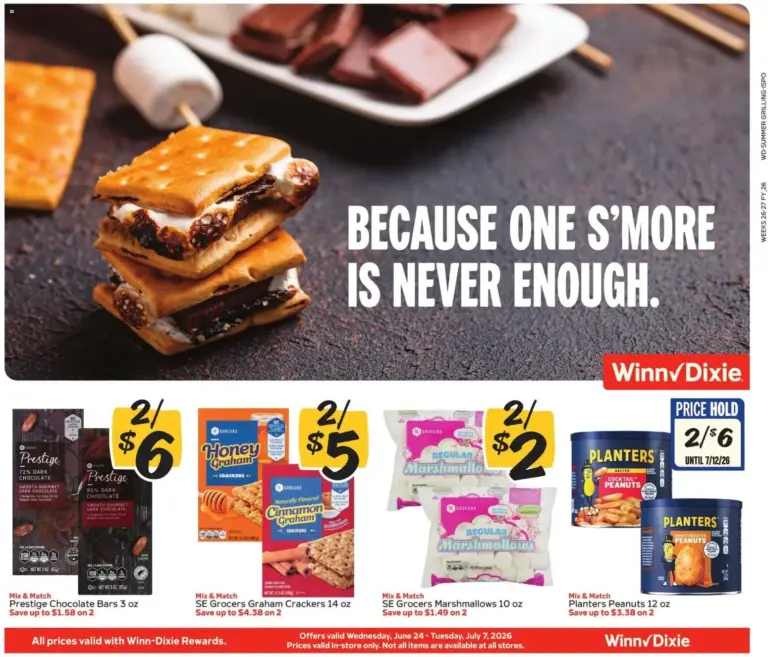
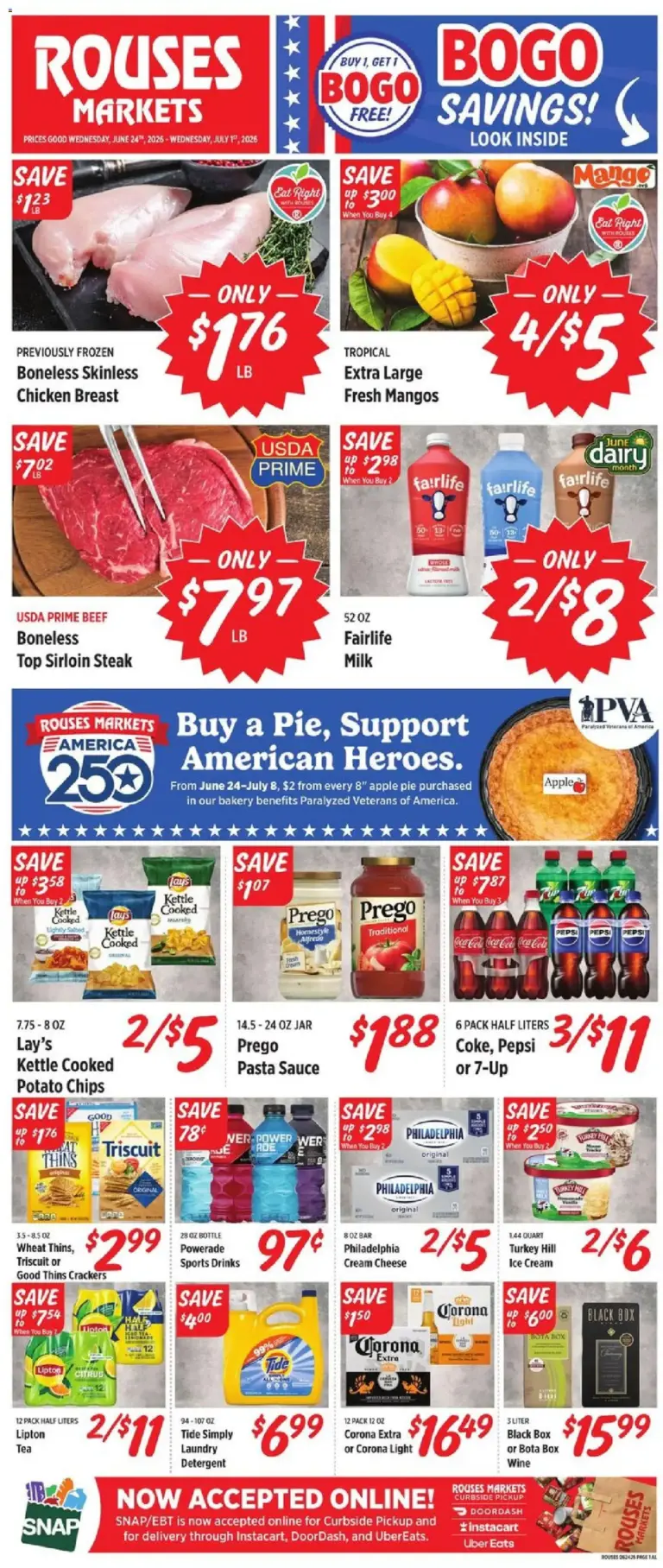
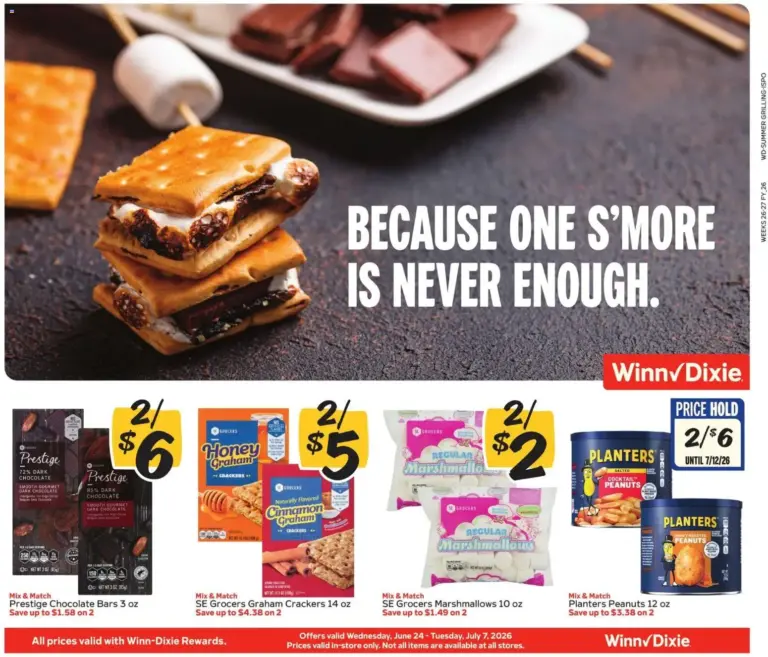
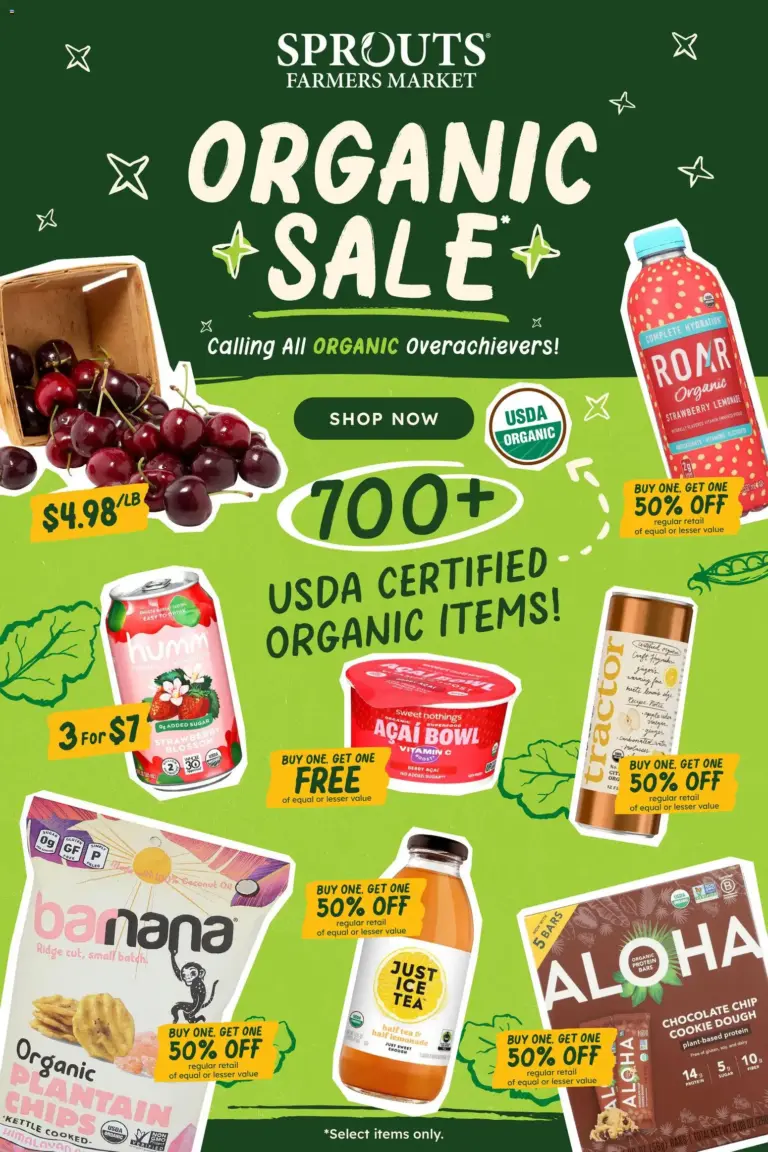
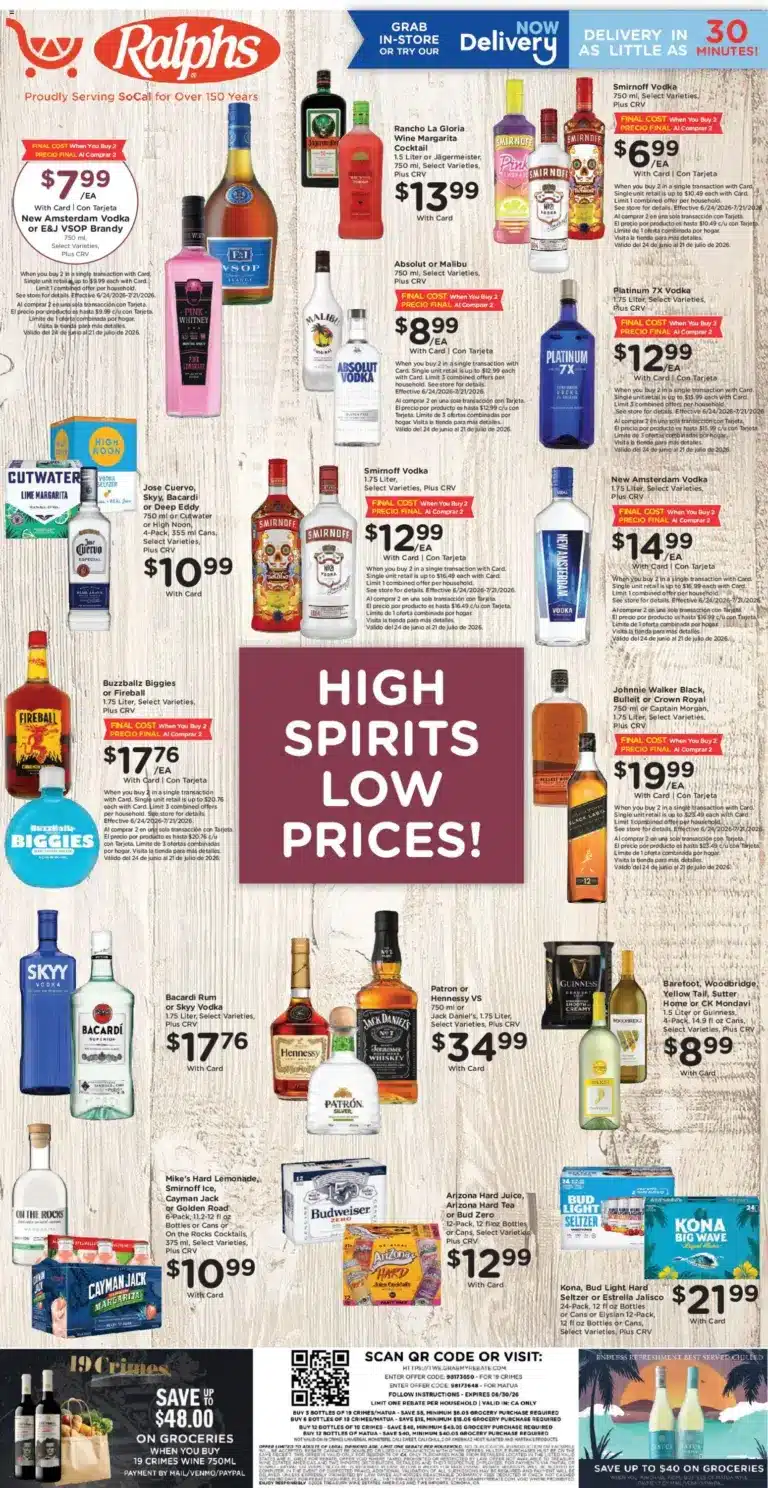
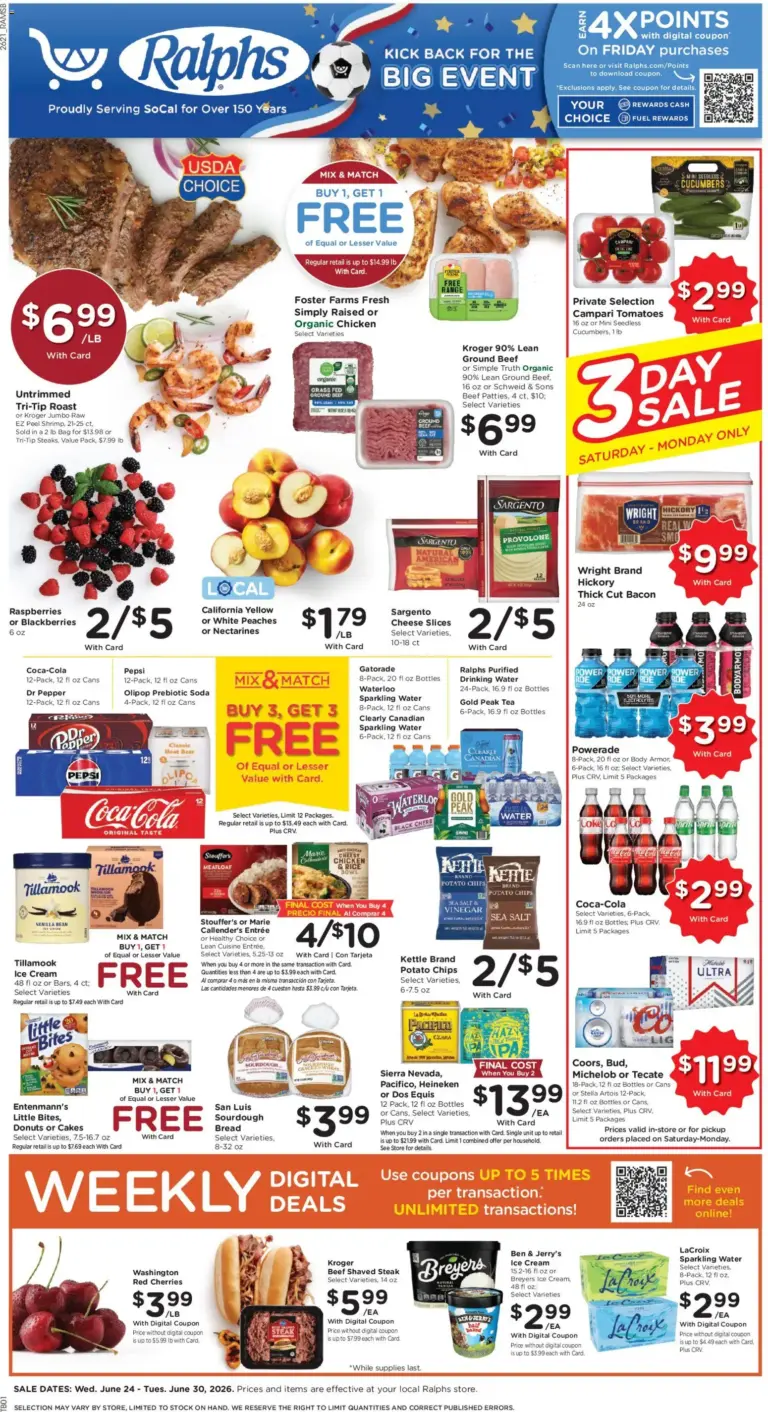
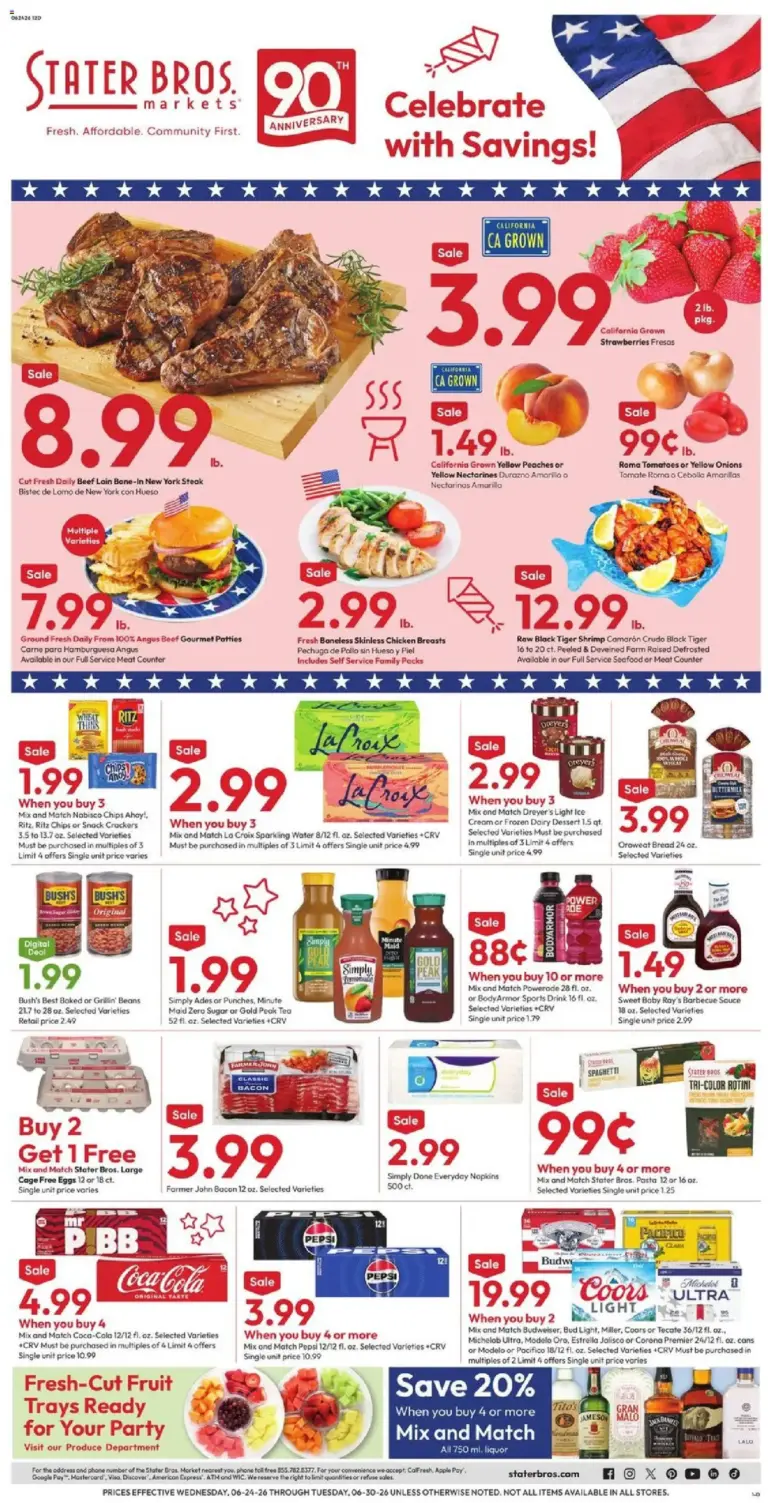
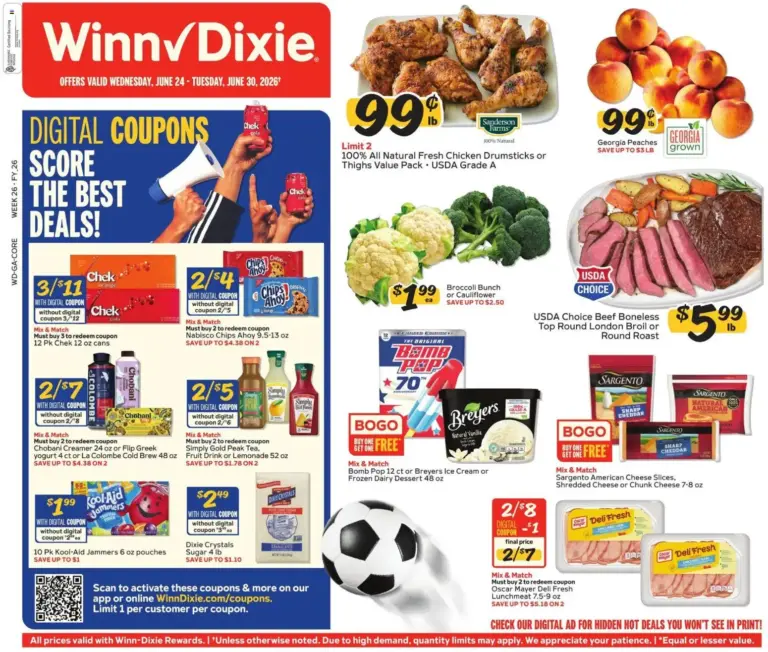
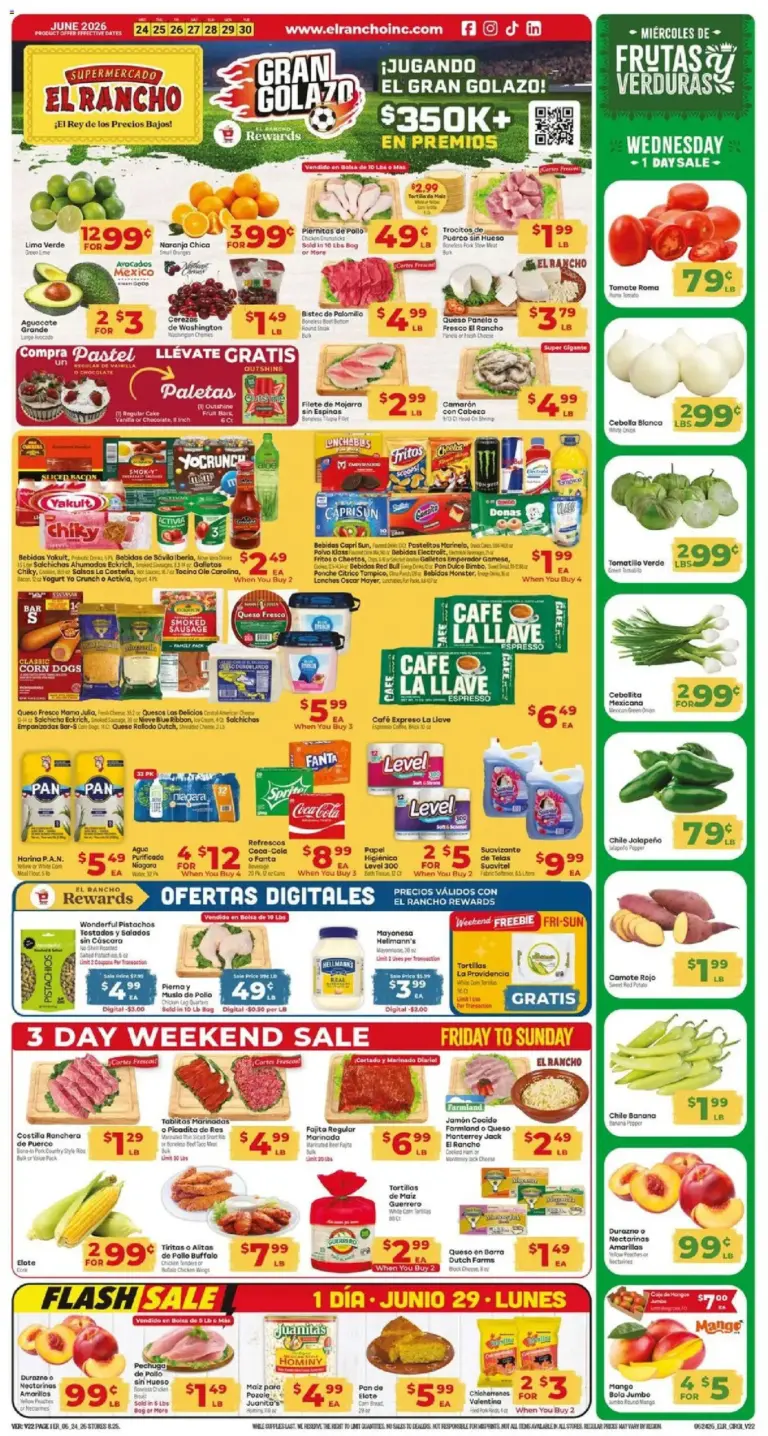
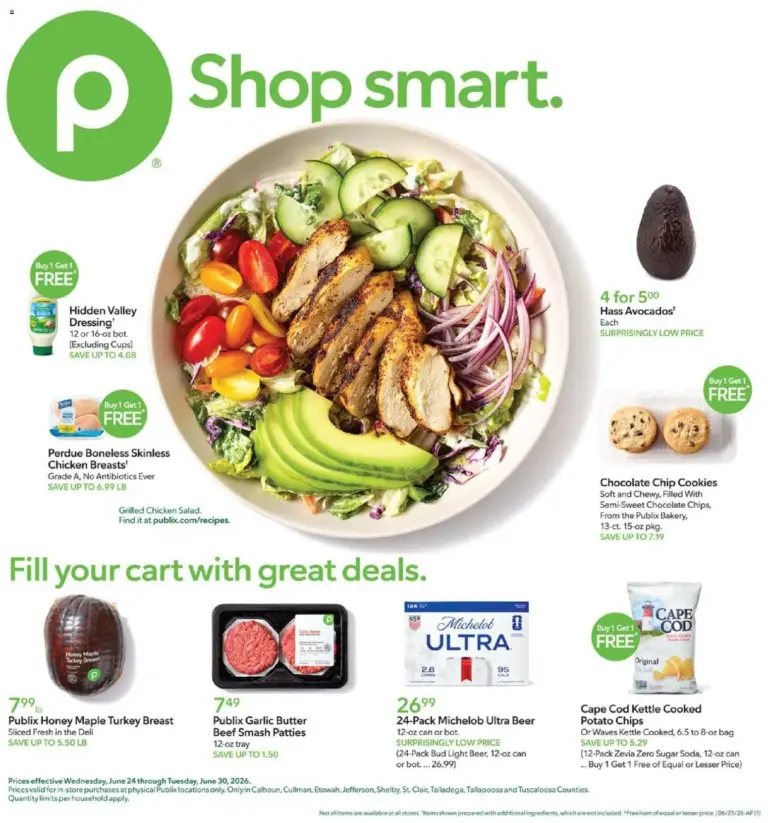
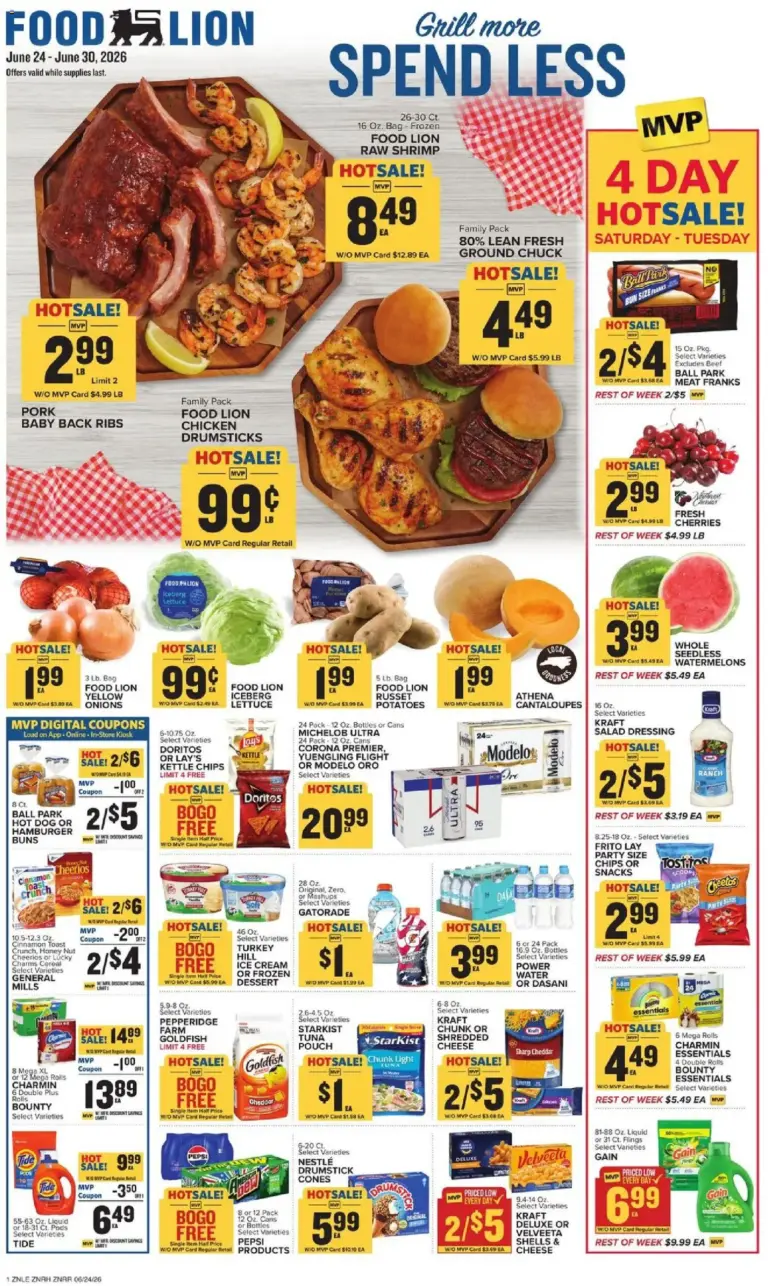
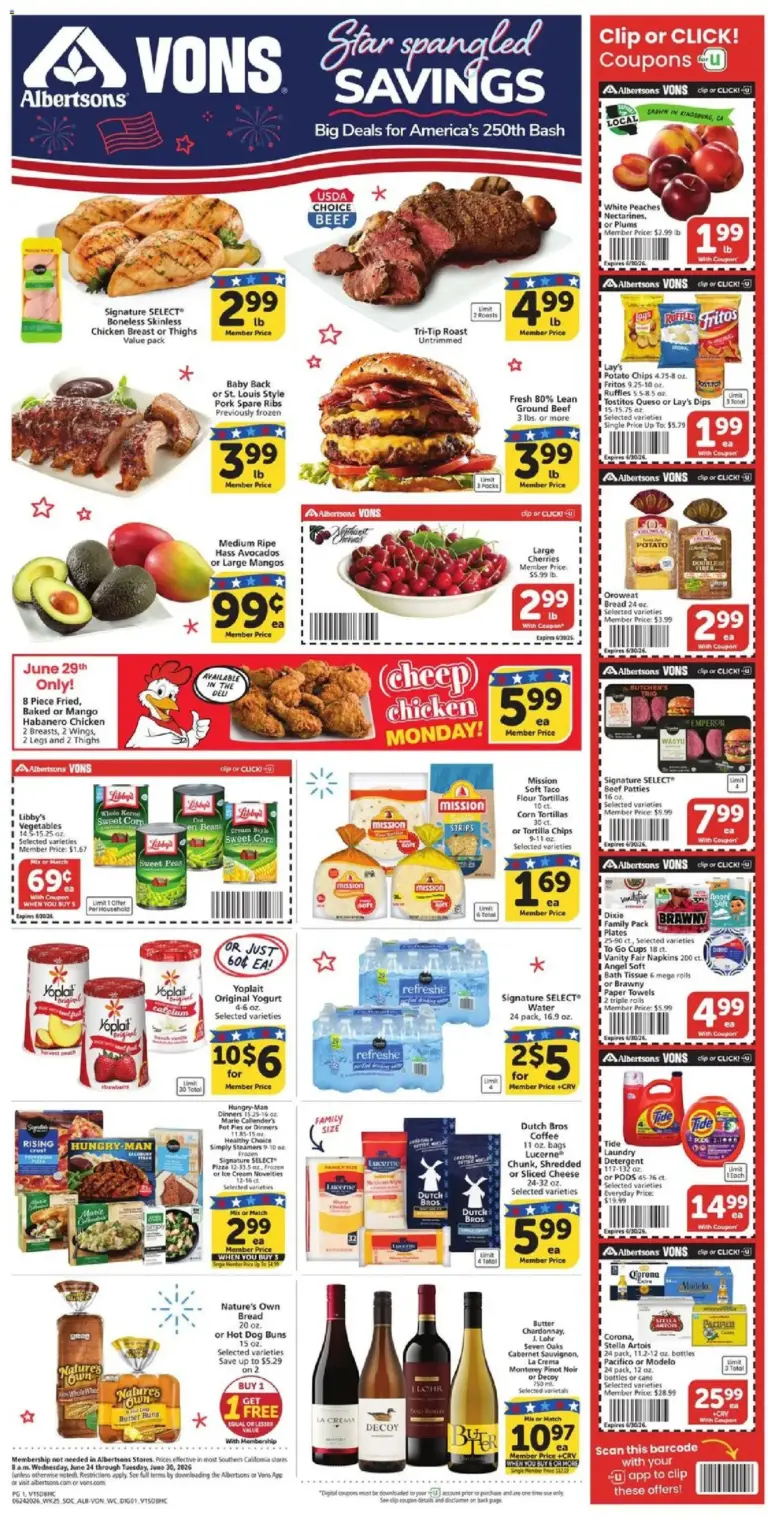
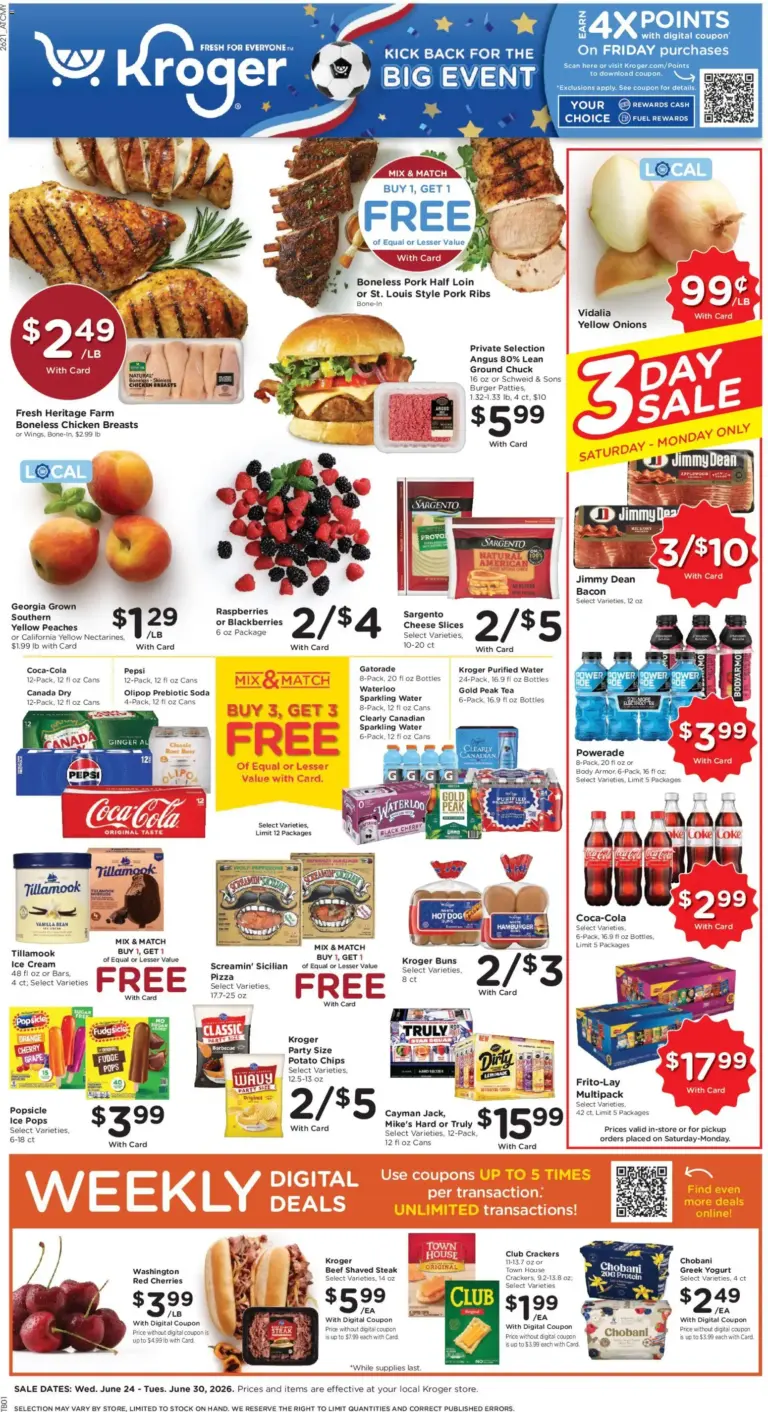
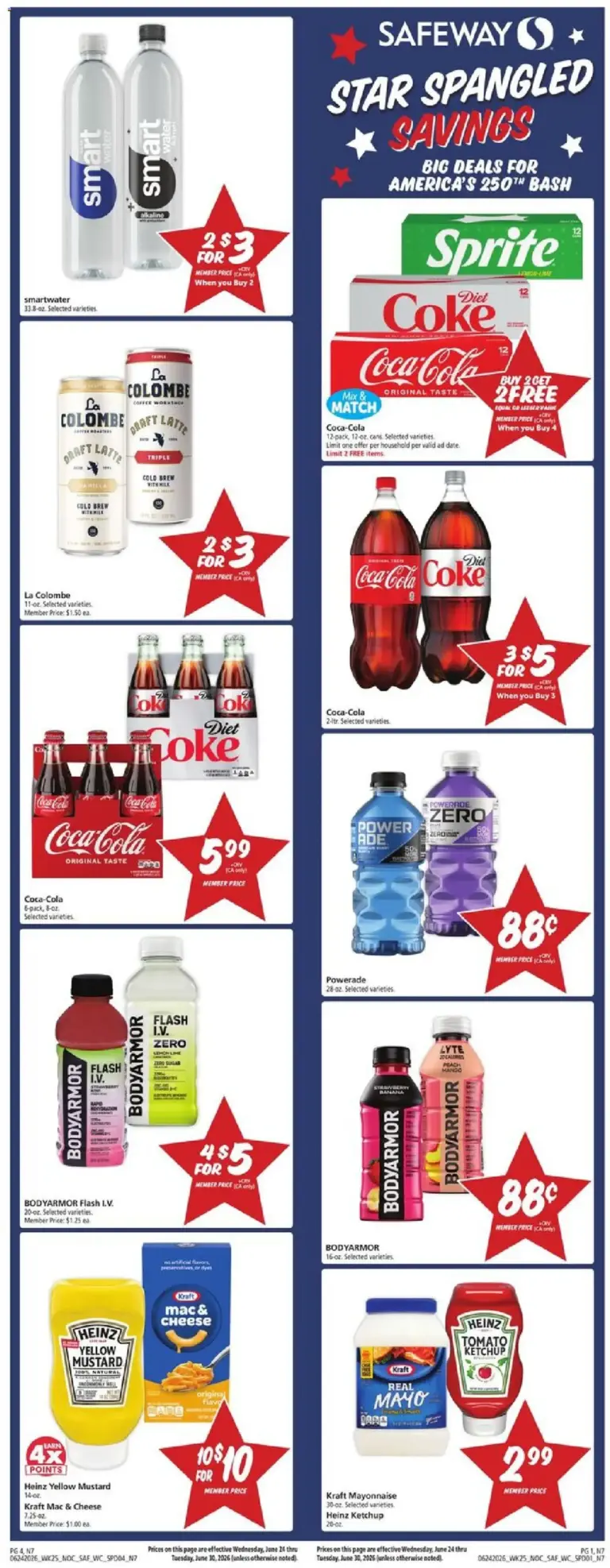
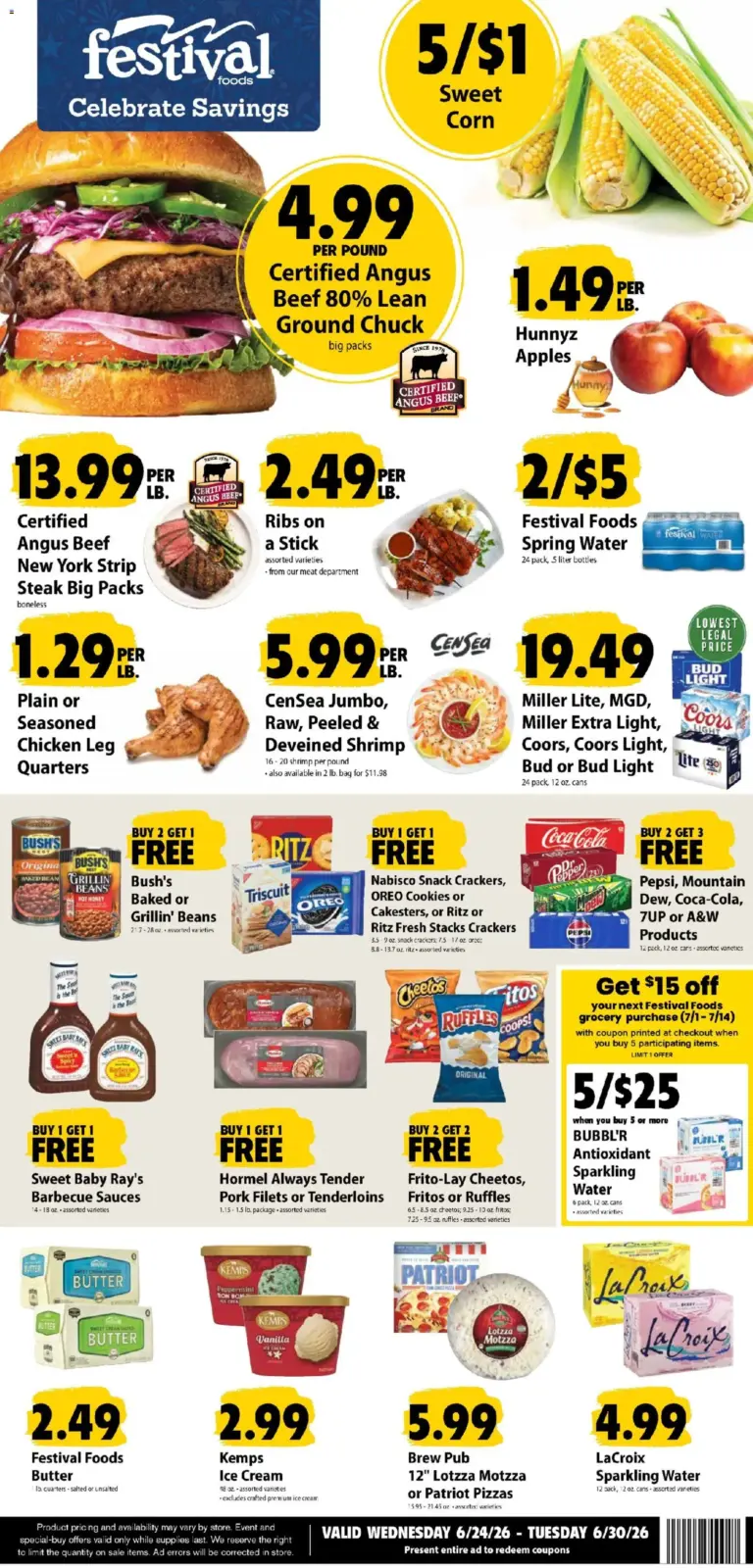
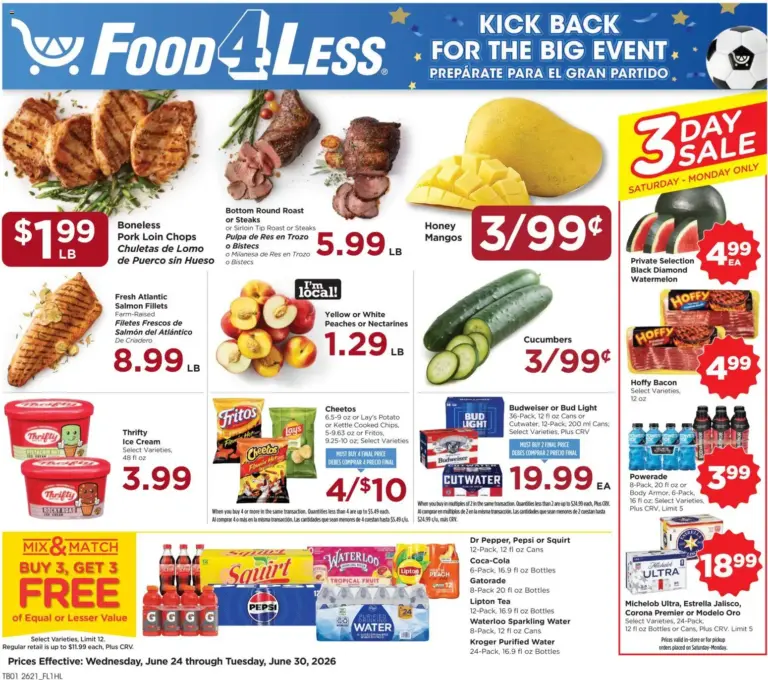
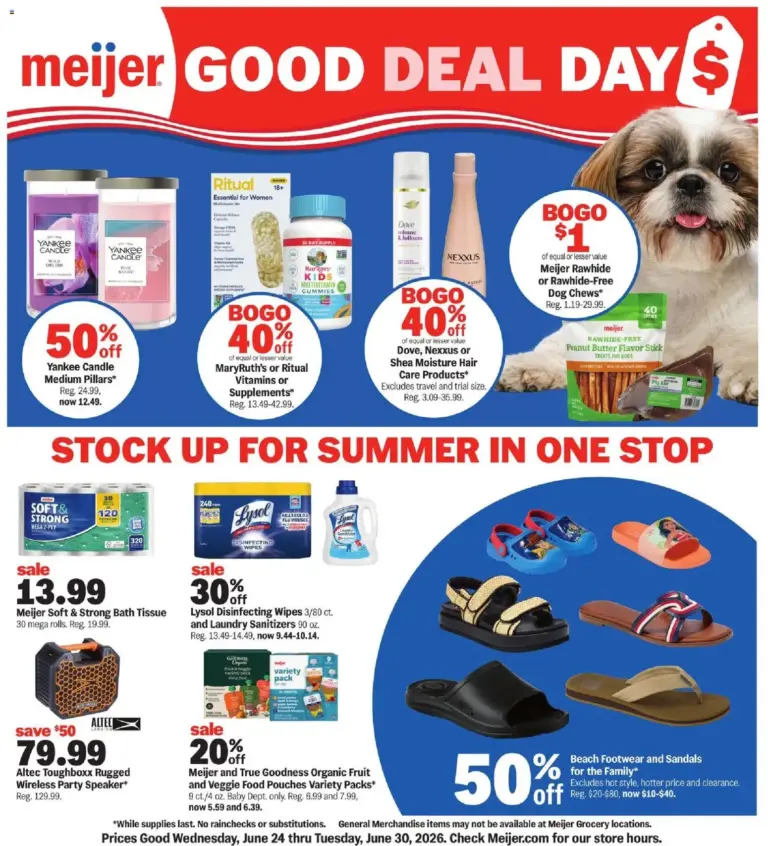
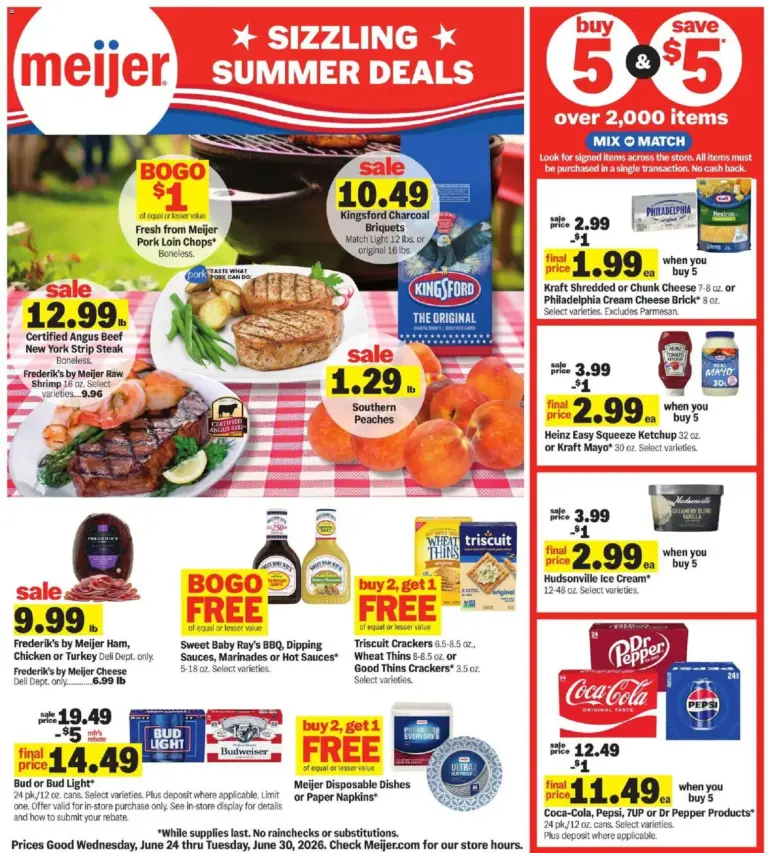
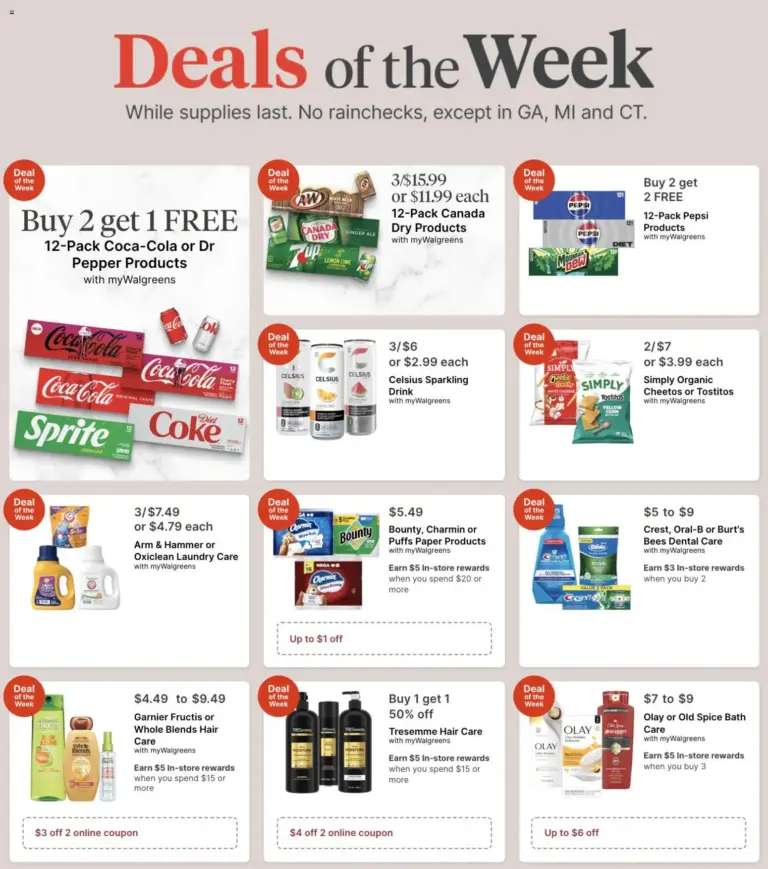
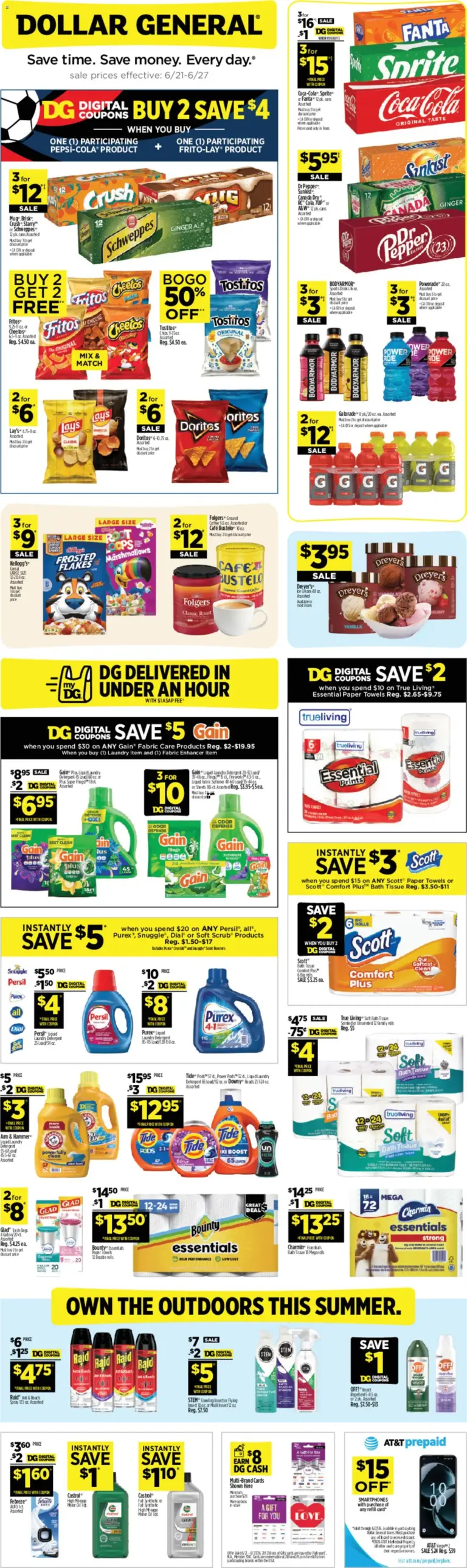
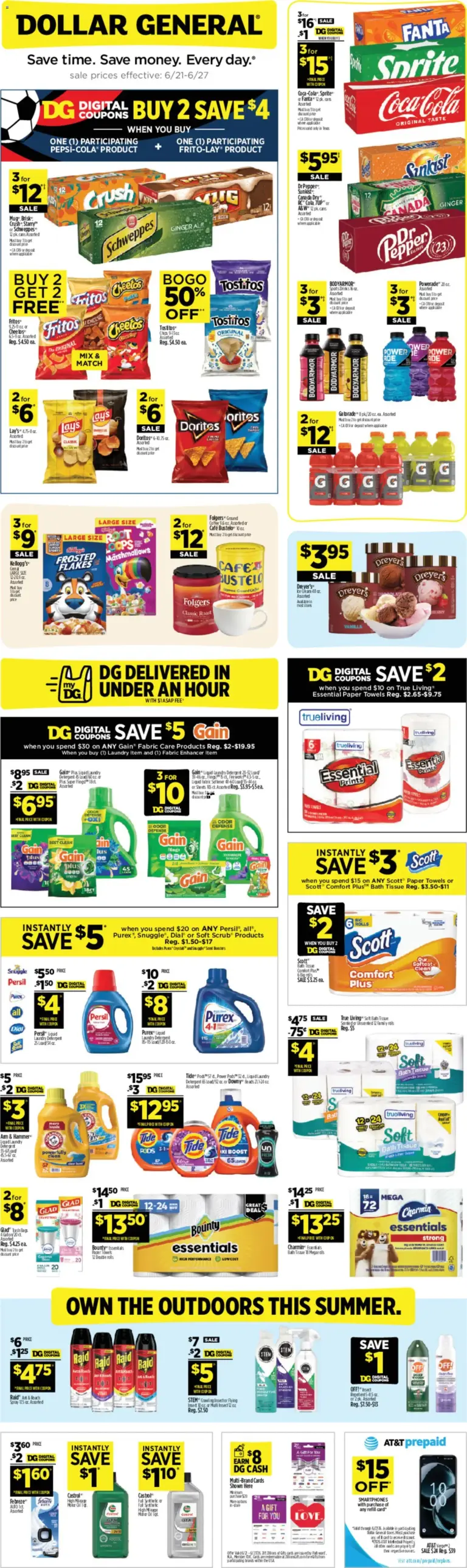
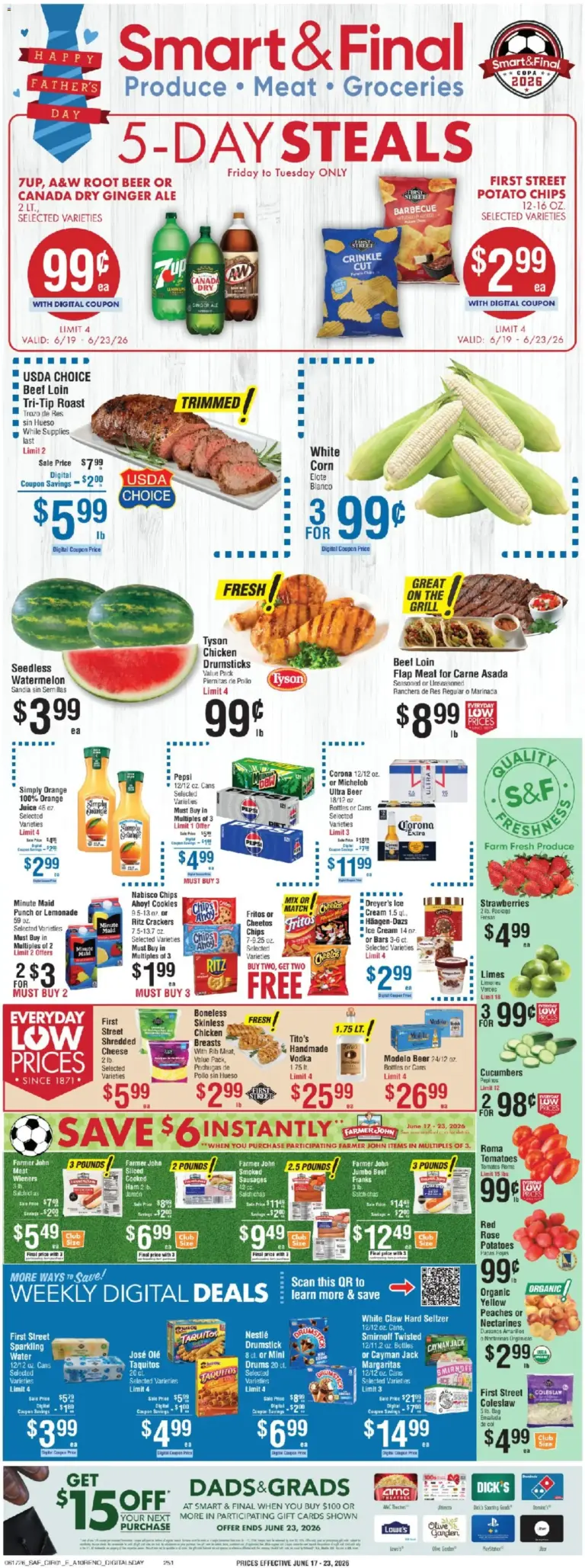
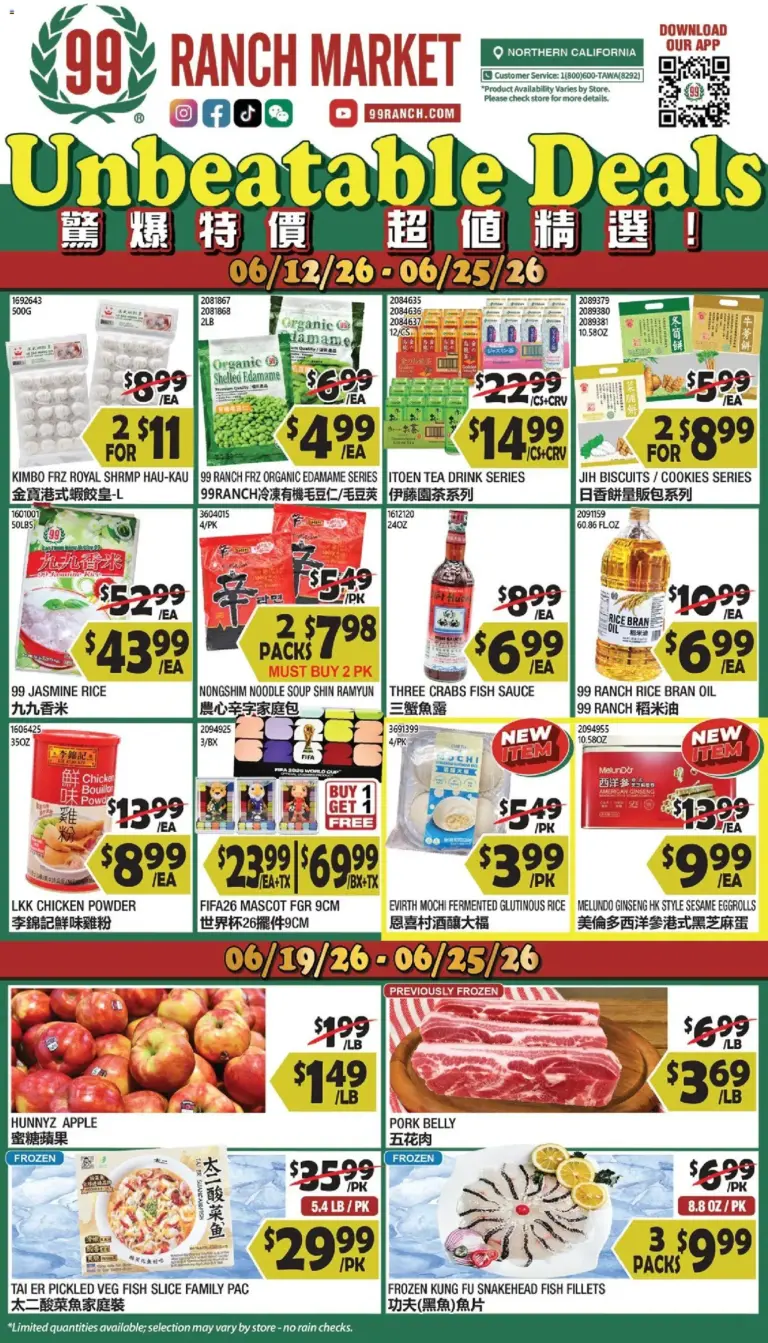
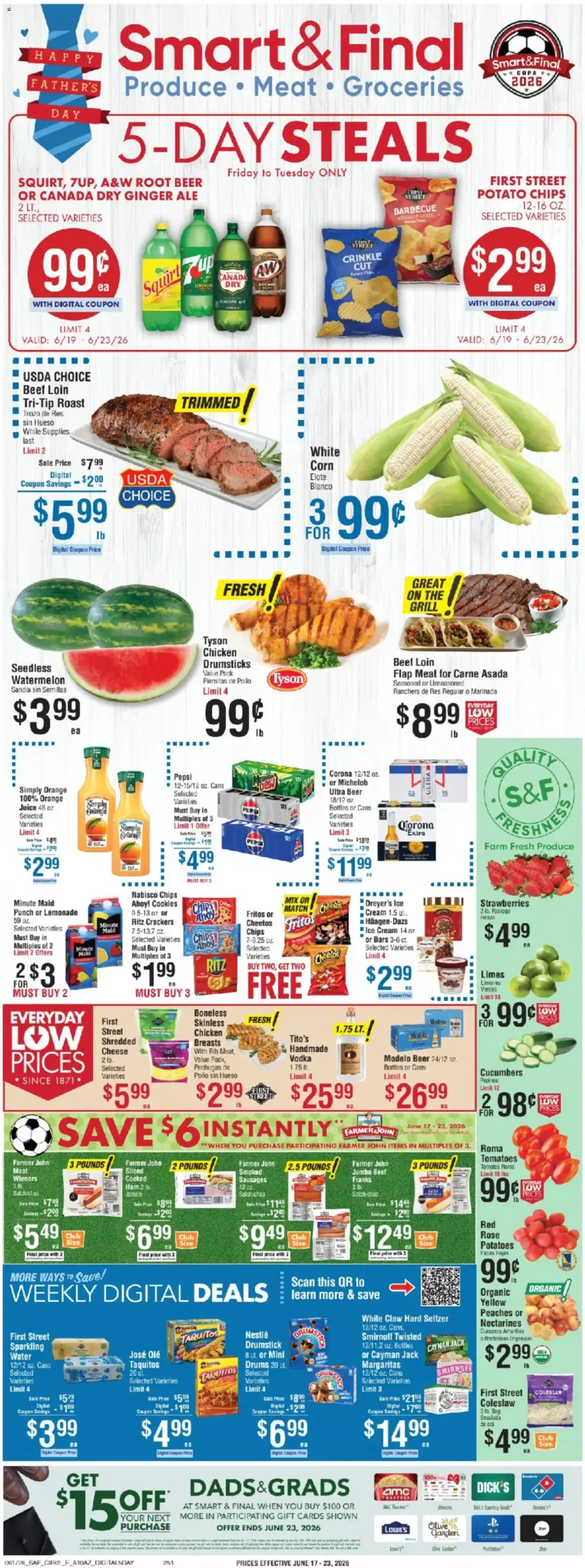
Check weekly ads to see which protein sources are discounted before planning meals.
If chicken is on sale this week, build several meals around it. If eggs are discounted, consider adding more breakfast-based dinners to your menu.
Choose Budget-Friendly Fruits and Vegetables
Fresh produce is important, but prices can vary significantly throughout the year.
The most affordable options are usually seasonal products.
Some consistently budget-friendly choices include:
Vegetables
- Carrots
- Cabbage
- Potatoes
- Onions
- Frozen vegetables
Fruits
- Bananas
- Apples
- Oranges
- Seasonal berries
- Frozen fruit
Frozen produce is often just as nutritious as fresh produce and can help reduce food waste because it lasts much longer.
Buy Whole Grains That Stretch Your Budget
Whole grains provide energy, fiber, and important nutrients while remaining very affordable.
Good options include:
- Oatmeal
- Brown rice
- Whole wheat pasta
- Whole grain bread
- Quinoa
- Popcorn
Many of these foods can be purchased in larger quantities and stored for long periods.
They also serve as the foundation for many inexpensive meals.
Don’t Ignore Store Brands
One of the easiest ways to lower grocery costs is by choosing store-brand products.
In many cases, store brands offer nearly identical ingredients and nutritional value at a lower price.
Products worth comparing include:
- Milk
- Cheese
- Yogurt
- Cereal
- Pasta
- Frozen vegetables
- Canned goods
Even switching a few items each week can produce noticeable savings over time.
Build Meals Around Weekly Sales
Smart shoppers don’t create meal plans in isolation.
They first review weekly grocery ads and then decide what to cook.
For example:
If these items are discounted:
- Chicken breast
- Broccoli
- Rice
You can prepare several affordable meals using those ingredients.
This approach helps maximize savings while simplifying grocery shopping.
Limit Highly Processed Foods
Convenience foods often carry higher prices and lower nutritional value.
Products such as:
- Individual snack packs
- Sugary cereals
- Frozen convenience meals
- Specialty beverages
can quickly increase grocery expenses.
Preparing simple meals at home is usually healthier and less expensive.
Sample Budget-Friendly Grocery List
Here’s an example of a balanced weekly grocery list:
Proteins
- Eggs
- Chicken thighs
- Canned tuna
- Greek yogurt
Vegetables
- Carrots
- Potatoes
- Broccoli
- Frozen mixed vegetables
Fruits
- Bananas
- Apples
- Oranges
Grains
- Oatmeal
- Brown rice
- Whole wheat bread
Pantry Staples
- Peanut butter
- Beans
- Pasta
- Tomato sauce
These foods can be combined into dozens of healthy meals without requiring a large budget.
How to Reduce Food Waste
Saving money isn’t just about buying cheaper products.
It’s also about using everything you purchase.
To reduce waste:
- Freeze leftovers
- Store produce properly
- Plan meals before shopping
- Use older ingredients first
- Avoid overbuying perishable foods
The less food you throw away, the more value you get from every grocery trip.
Frequently Asked Questions
Can healthy eating really be affordable?
Yes. Many healthy foods such as oats, beans, eggs, rice, and seasonal produce are among the least expensive items in the grocery store.
What is the cheapest healthy protein?
Eggs, beans, lentils, and canned tuna are often among the most affordable protein sources.
Should I buy fresh or frozen vegetables?
Both can be healthy options. Frozen vegetables often provide better value and longer shelf life.
How can I save money immediately?
Review weekly ads, choose store brands, and build meals around discounted ingredients.
Final Thoughts
Creating a cheap and healthy grocery list doesn’t require complicated budgeting or extreme couponing. The key is focusing on nutritious, versatile foods while taking advantage of weekly sales and promotions.
By choosing affordable proteins, seasonal produce, whole grains, and store-brand products, you can build healthy meals that support both your wellness goals and your budget.
Over time, these simple habits can lead to substantial savings while helping your family enjoy better nutrition every day.